

Coconut Oil for Body: Why Cold-Pressed Makes All the Difference
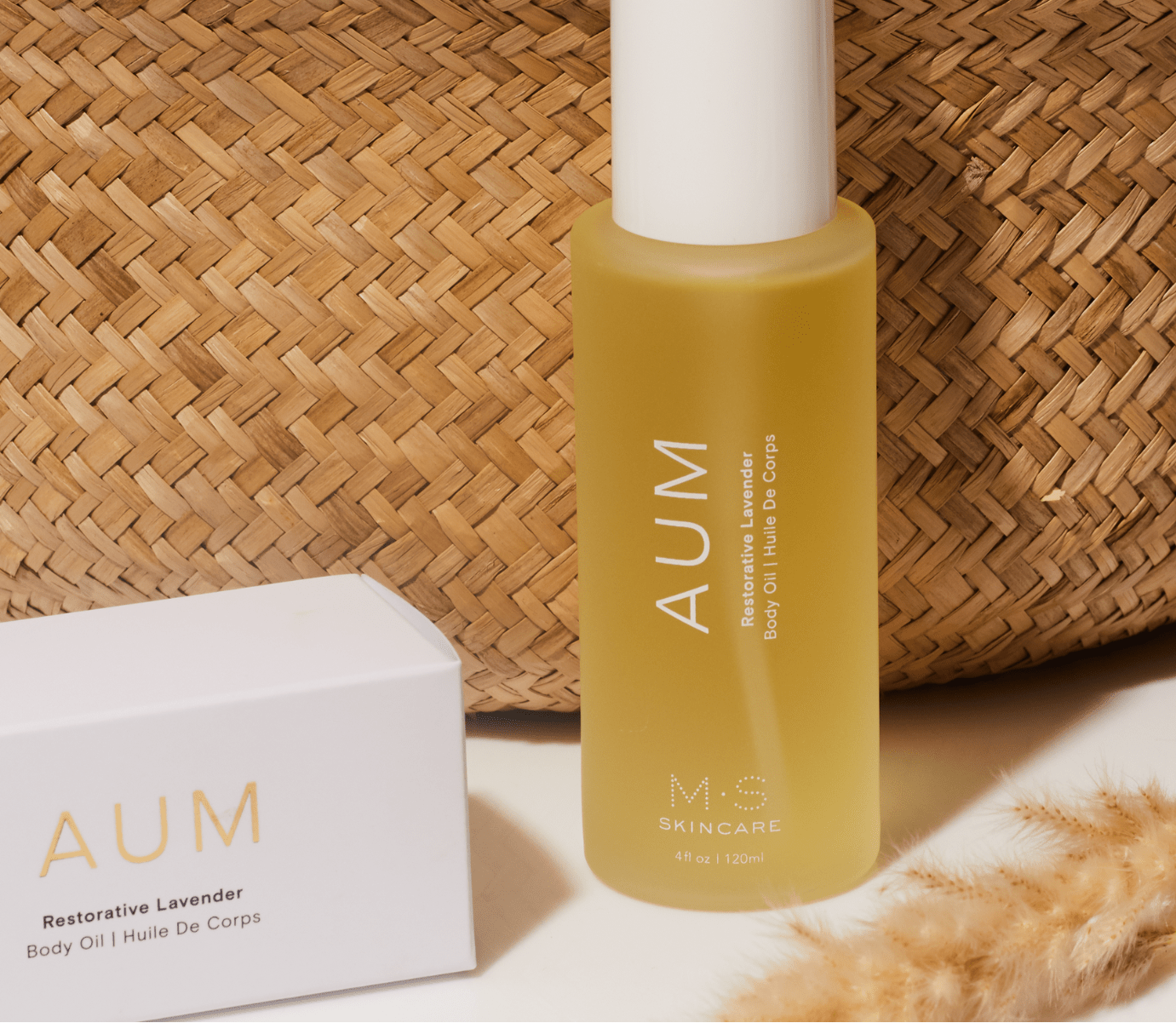
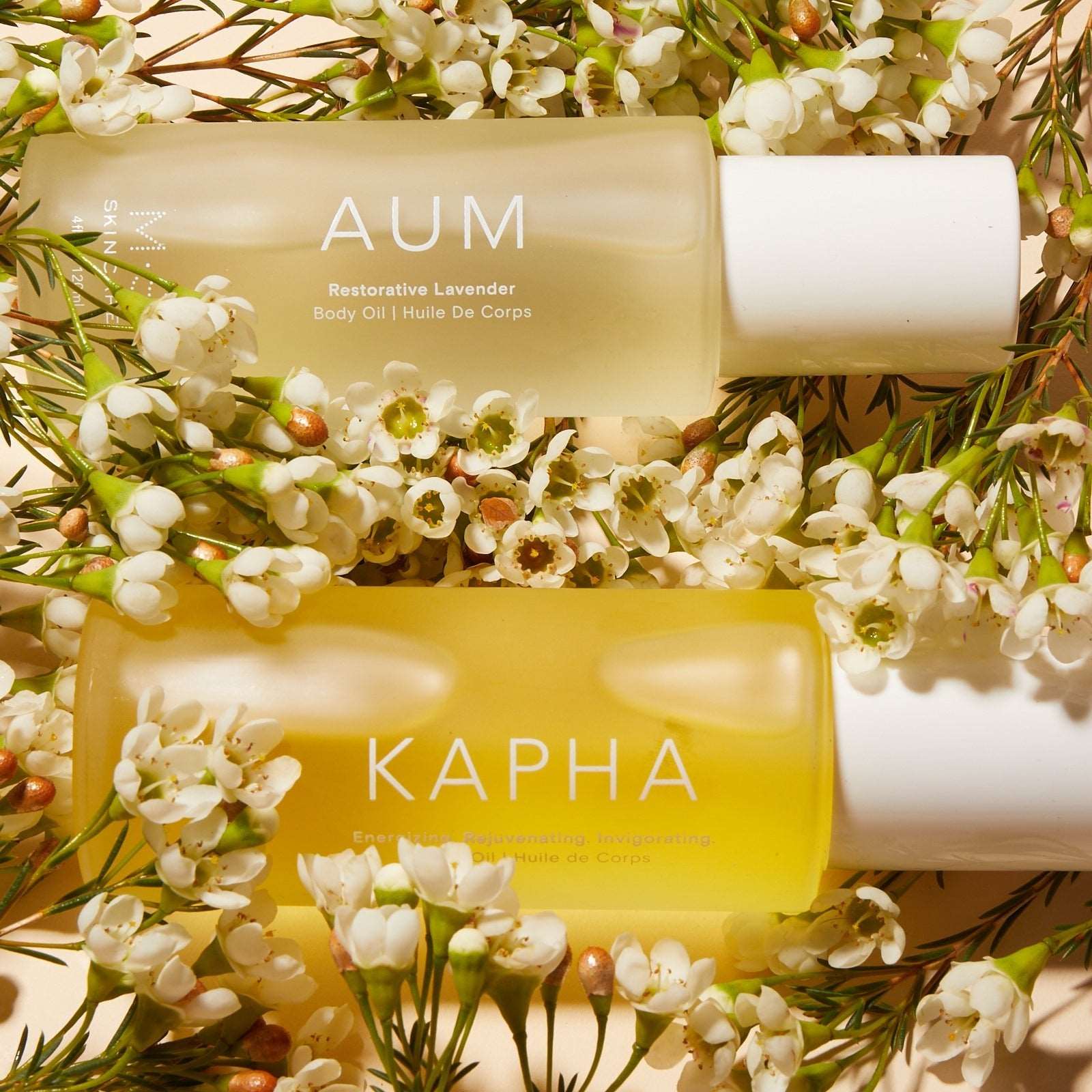
Coconut oil is everywhere in body care. But not all coconut oil is created equal. The difference between cold-pressed (virgin) coconut oil and refined coconut oil is the difference between a product that truly nourishes your skin and one that simply sits on the surface. Our AUM Restorative Body Oil uses only cold-pressed, fractionated coconut oil. Here's why that matters.

What Is Coconut Oil?
Coconut oil is extracted from the meat (white flesh) of mature coconuts. It's composed primarily of medium-chain fatty acids (MCFAs), which give it unique properties compared to other plant oils.
The Fatty Acid Profile
Coconut oil contains:
- Lauric acid (45 to 53%): Antimicrobial, anti-inflammatory, deeply moisturizing
- Capric acid (6 to 10%): Antimicrobial, supports skin barrier
- Caprylic acid (5 to 10%): Antifungal, lightweight, fast-absorbing
- Myristic acid (16 to 21%): Helps other ingredients penetrate skin
- Palmitic acid (7 to 10%): Emollient, softening
This unique fatty acid composition makes coconut oil:
- Lightweight despite being an oil
- Fast-absorbing (doesn't sit on skin)
- Antimicrobial (protects against bacteria and fungi)
- Deeply moisturizing without clogging pores
Cold-Pressed vs. Refined: The Critical Difference
Cold-Pressed (Virgin) Coconut Oil
Extraction method: Mechanical pressing of fresh coconut meat at temperatures below 120°F (49°C). No chemicals, no heat, no refining.
What's preserved:
- All fatty acids in their natural, bioavailable form
- Vitamin E (tocopherols and tocotrienols)
- Polyphenols and antioxidants
- Natural antimicrobial compounds
- Subtle coconut aroma (from natural compounds)
Benefits for skin:
- Maximum nourishment and bioactivity
- Superior antioxidant protection
- Enhanced antimicrobial properties
- Better absorption and efficacy
Refined Coconut Oil
Extraction method: Dried coconut meat (copra) is processed using high heat (up to 400°F) and often chemical solvents. The oil is then bleached and deodorized.
What's lost:
- Most antioxidants (destroyed by heat)
- Vitamin E content significantly reduced
- Polyphenols degraded or removed
- Natural antimicrobial compounds diminished
- Beneficial aroma compounds stripped away
What remains:
- Basic fatty acid structure (but less bioavailable)
- Moisturizing properties (but reduced efficacy)
- Neutral scent (because beneficial compounds were removed)
Why it's used: It's cheaper to produce, has a longer shelf life, and has no scent (which some manufacturers prefer for adding synthetic fragrances).
The Science: Why Cold-Pressed Is Superior
1. Antioxidant Content
A 2014 study published in the Journal of Food Science and Technology compared cold-pressed and refined coconut oil:
- Cold-pressed: 5 to 10 times higher antioxidant activity
- Refined: Most antioxidants destroyed during processing
Antioxidants are critical for:
- Protecting skin from free radical damage
- Preventing premature aging
- Supporting skin's natural repair processes
- Reducing inflammation
2. Vitamin E Preservation
Vitamin E is a fat-soluble antioxidant essential for skin health. Research shows:
- Cold-pressed coconut oil: Retains 80 to 90% of natural vitamin E
- Refined coconut oil: Loses 60 to 80% during high-heat processing
Vitamin E:
- Protects skin lipids from oxidation
- Supports barrier function
- Reduces UV damage
- Promotes healing and repair
3. Polyphenol Content
Polyphenols are plant compounds with powerful anti-inflammatory and antioxidant properties.
- Cold-pressed: High polyphenol content preserved
- Refined: Polyphenols degraded by heat and removed during bleaching
Polyphenols in coconut oil:
- Reduce skin inflammation
- Protect against environmental stressors
- Support healthy skin aging
- Enhance the oil's therapeutic properties
4. Bioavailability of Fatty Acids
While both cold-pressed and refined coconut oil contain the same fatty acids on paper, the structure and bioavailability differ.
Heat processing can:
- Alter the molecular structure of fatty acids
- Reduce their ability to penetrate skin effectively
- Diminish their moisturizing efficacy
Cold-pressed coconut oil's fatty acids remain in their natural, most bioavailable form, allowing for:
- Deeper penetration into skin layers
- More effective moisture retention
- Better support of the skin barrier
Fractionated Coconut Oil: The AUM Advantage
AUM uses fractionated, cold-pressed coconut oil. Here's what that means:
What Is Fractionation?
Fractionation is a process that removes the long-chain fatty acids (like lauric acid), leaving only the medium-chain fatty acids (capric and caprylic acid).
Why Fractionate?
Regular coconut oil solidifies below 76°F (24°C), which can be inconvenient for body care. Fractionated coconut oil:
- Remains liquid at all temperatures
- Absorbs even faster than regular coconut oil
- Feels lighter and less greasy
- Has an indefinite shelf life (won't go rancid)
- Is completely non-comedogenic (won't clog pores)
What's Retained
When done properly (as in AUM), fractionation preserves:
- The fast-absorbing capric and caprylic acids
- Antimicrobial properties
- Lightweight, silky texture
- All the benefits of cold-pressed processing (antioxidants, vitamin E, polyphenols)
Coconut Oil's Benefits for Body Skin
1. Deep Moisturization Without Greasiness
Coconut oil's medium-chain fatty acids:
- Penetrate skin quickly (within 2 to 3 minutes)
- Provide lasting hydration (12+ hours)
- Don't leave a greasy residue
- Work for all skin types, including oily
2. Skin Barrier Repair
The fatty acids in coconut oil mimic those naturally found in skin's lipid barrier. This means:
- They integrate seamlessly into the barrier
- They repair damage from harsh weather, aging, or products
- They prevent trans-epidermal water loss (TEWL)
- They strengthen skin's natural defenses
3. Antimicrobial Protection
Lauric acid (in whole coconut oil) and capric/caprylic acids (in fractionated) have proven antimicrobial properties:
- Effective against acne-causing bacteria
- Protects against fungal infections
- Helps prevent body acne on back and chest
- Supports skin's microbiome balance
4. Anti-Inflammatory Effects
Studies show coconut oil reduces skin inflammation:
- Soothes irritated, red skin
- Helps with eczema and dermatitis
- Calms post-shave irritation
- Reduces sensitivity
5. Antioxidant Protection (Cold-Pressed Only)
The preserved antioxidants in cold-pressed coconut oil:
- Protect against UV damage
- Prevent premature aging
- Support skin's natural repair
- Reduce oxidative stress
Why AUM's Coconut Oil Base Is Superior
In AUM, cold-pressed, fractionated coconut oil serves as the perfect carrier for our active botanicals:
1. Optimal Delivery System
Coconut oil's molecular structure allows it to:
- Carry fat-soluble vitamins and compounds (like vitamin C from Amla and Kakadu Plum) deep into skin
- Enhance the absorption of Gotu Kola's triterpenoids
- Deliver lavender's therapeutic compounds effectively
2. Synergistic Benefits
Coconut oil doesn't just carry other ingredients. It amplifies them:
- Its antimicrobial properties work with lavender's to soothe and protect
- Its barrier-repair function supports the firming effects of Gotu Kola
- Its antioxidants complement the vitamin C from Amla and Kakadu Plum
3. Lightweight, Fast-Absorbing Texture
Because we use fractionated coconut oil:
- AUM absorbs in 2 to 3 minutes
- You can dress immediately
- No greasy residue on sheets or clothes
- Suitable for all skin types, even oily or acne-prone
4. Stability and Purity
Cold-pressed, fractionated coconut oil:
- Has an indefinite shelf life
- Won't go rancid or oxidize
- Requires no preservatives
- Maintains potency throughout the product's life
How to Identify Quality Coconut Oil in Products
When shopping for coconut oil-based body care, look for:
- "Cold-pressed" or "virgin" on the label: Indicates minimal processing
- "Fractionated" for body oils: Ensures lightweight, non-greasy texture
- Short ingredient lists: Quality oils don't need fillers
- No "refined," "RBD" (refined, bleached, deodorized), or "hydrogenated": These indicate heavy processing
The Bottom Line
Coconut oil is a powerful ingredient for body skin, but only when it's cold-pressed and minimally processed. The difference between cold-pressed and refined is the difference between:
- Active antioxidants vs. degraded compounds
- Bioavailable fatty acids vs. altered structures
- Therapeutic benefits vs. basic moisture
- A product that transforms skin vs. one that just sits on the surface
In AUM, we use only cold-pressed, fractionated coconut oil because we're committed to efficacy, not just marketing. Every ingredient must earn its place by delivering real, measurable results.
Experience the difference that cold-pressed coconut oil makes. Discover AUM here.





%20coconut%20oil%20and%20refined%20coconut%20oil%20is%20the%20difference%20between%20a%20produc...)