The Art of Abhyanga: Why Self-Massage Belongs in Your Routine
There is a practice in Ayurveda that has been performed for thousands of years, quietly, intentionally, before the day begins. It is called Abhyanga, and it is the ritual of anointing the body with warm oil through slow, deliberate self-massage. It takes ten to fifteen minutes. It requires nothing more than a good oil and a willingness to be present. And according to Ayurvedic tradition, it is one of the most profoundly nourishing things you can do for your body, your nervous system, and your skin.
What Is Abhyanga?
Abhyanga (pronounced ah-BYE-ahn-gah) is a Sanskrit word that translates roughly as oil massage. In Ayurvedic medicine, it is considered a form of Snehana, or oleation, one of the foundational practices for maintaining balance and vitality. The word Sneha also means love in Sanskrit, and that dual meaning is intentional. Abhyanga is understood as an act of self-love as much as a physical practice.
Traditionally performed daily, Abhyanga involves warming a plant-based oil and applying it to the entire body using long strokes on the limbs and circular strokes at the joints, working from the extremities toward the heart. The oil is left on the skin for a period of time before bathing, allowing it to absorb and nourish deeply.
What Are the Benefits of Abhyanga?
Ayurvedic texts describe Abhyanga as beneficial for the skin, the joints, the nervous system, and overall vitality. From a modern skincare perspective, the benefits are tangible: regular oil massage improves circulation, supports lymphatic drainage, deeply hydrates the skin, and over time contributes to a more even, luminous complexion. The act of massage itself, performed with intention and warmth, also has a measurable calming effect on the nervous system, making Abhyanga as much a mental health practice as a physical one.
How to Practice Abhyanga
Begin by warming your oil. Place the bottle in a bowl of hot water for a few minutes, or warm a small amount between your palms. Start at the crown of the head if you are including a scalp massage, or begin at the feet if you are focusing on the body. Use long, flowing strokes along the limbs and circular motions at the knees, hips, and shoulders. Work upward toward the heart. Give extra attention to the soles of the feet, which Ayurveda considers particularly receptive to oil. Leave the oil on for five to fifteen minutes before showering, allowing it to absorb fully.
Choosing the Right Oil
The oil you choose matters. In Ayurvedic tradition, different oils are suited to different constitutions and seasons. What is consistent across all traditions is the importance of using a pure, plant-based oil that nourishes rather than sits on the surface of the skin.
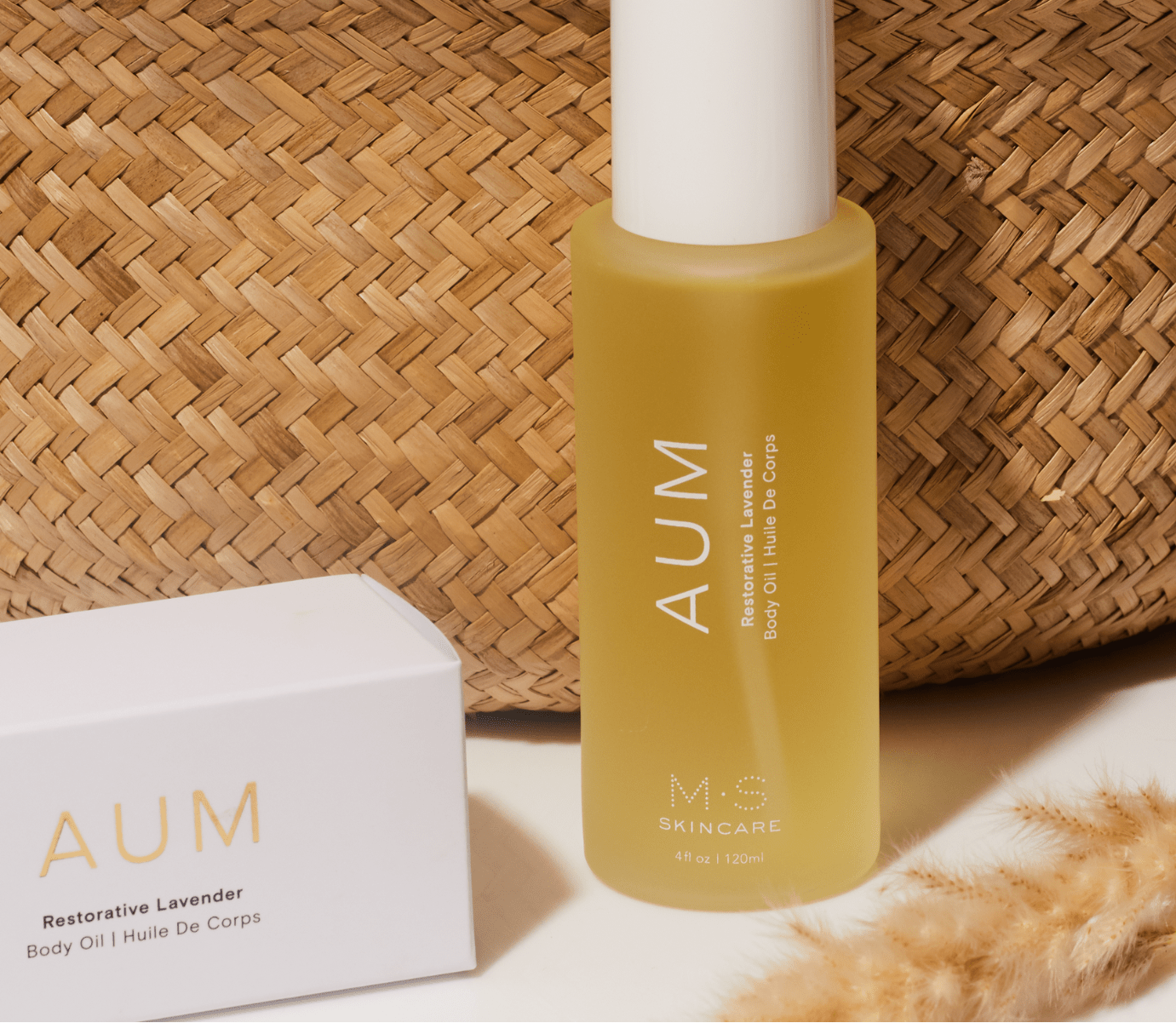
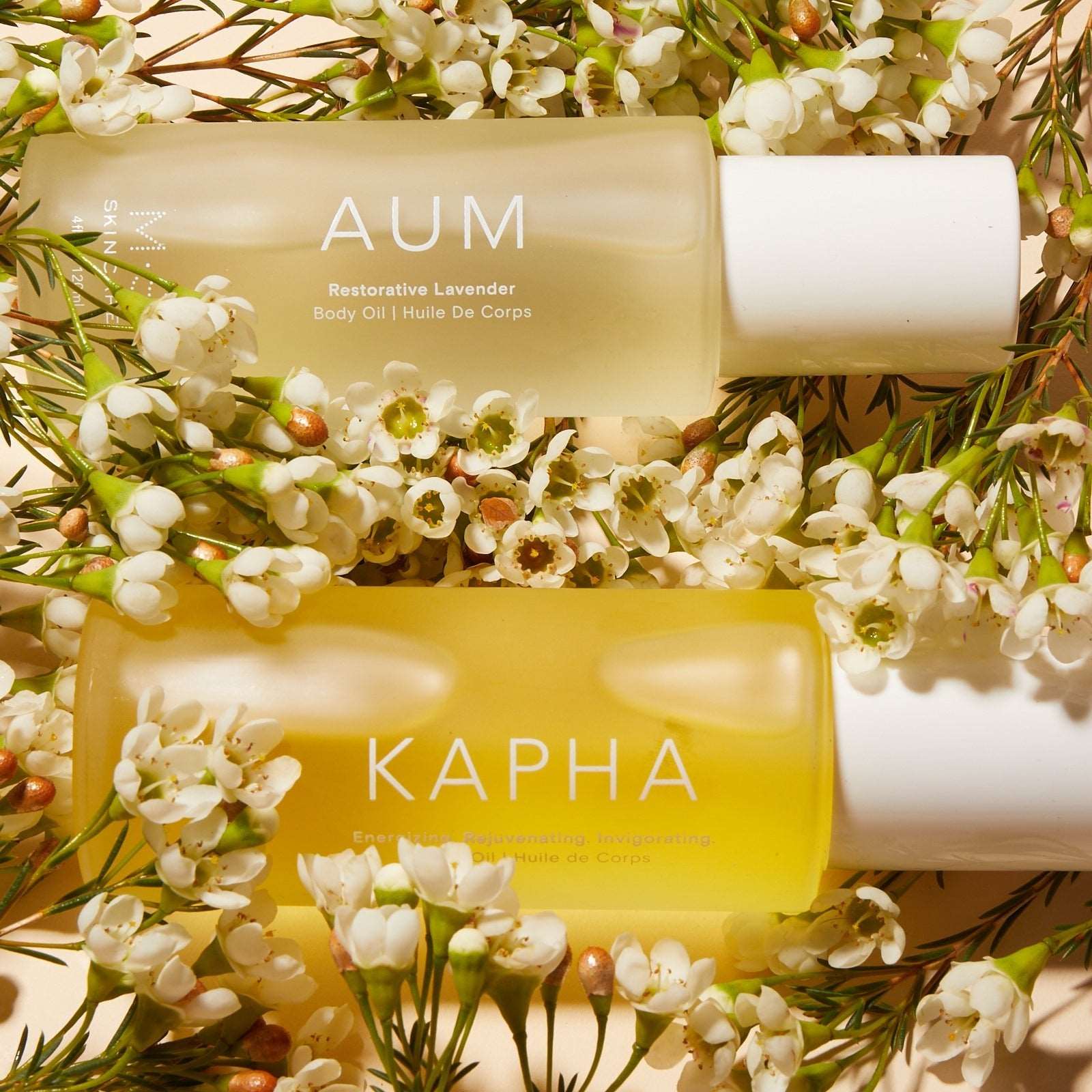
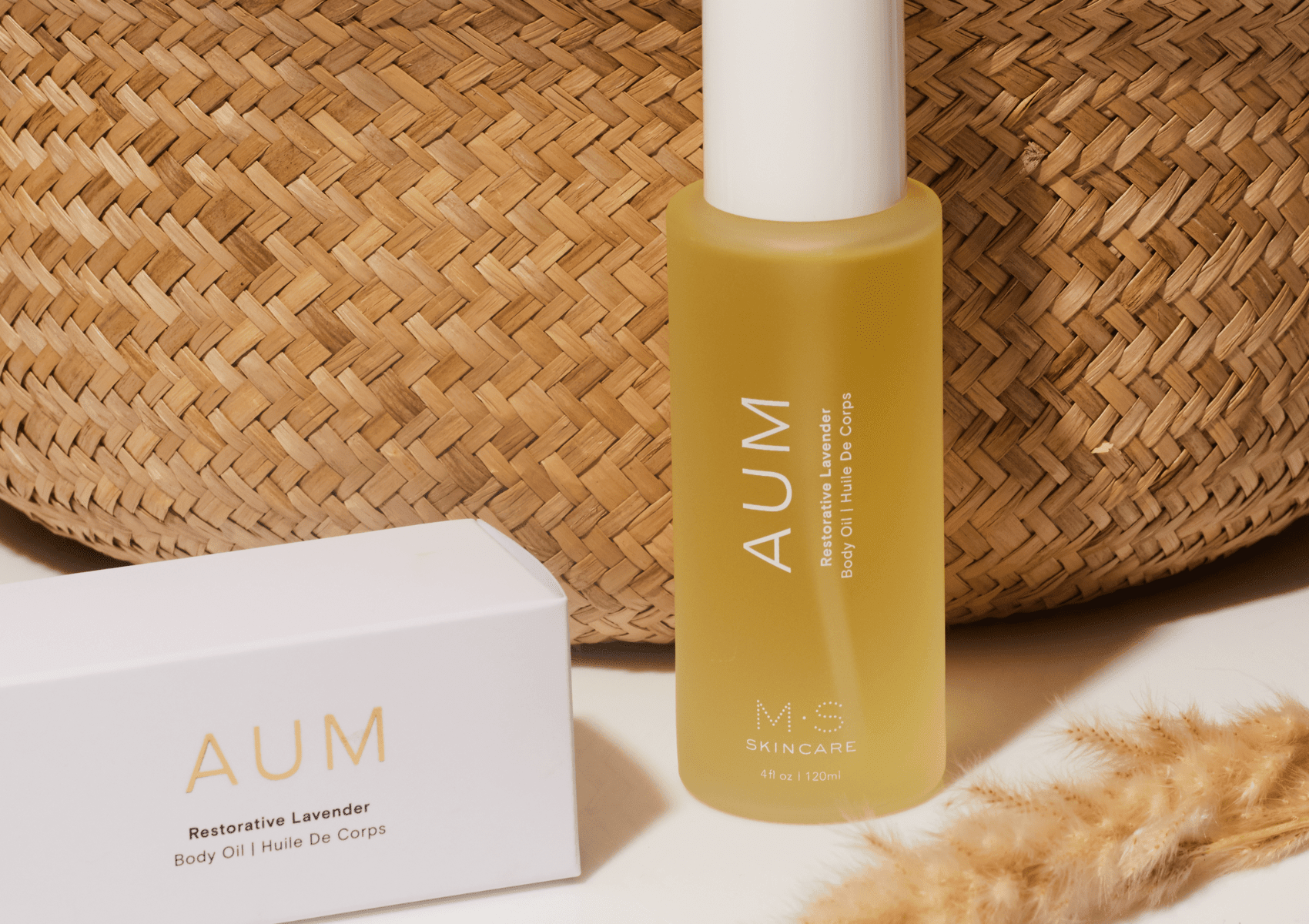
This is exactly why we formulated AUM Restorative Lavender Body Oil.

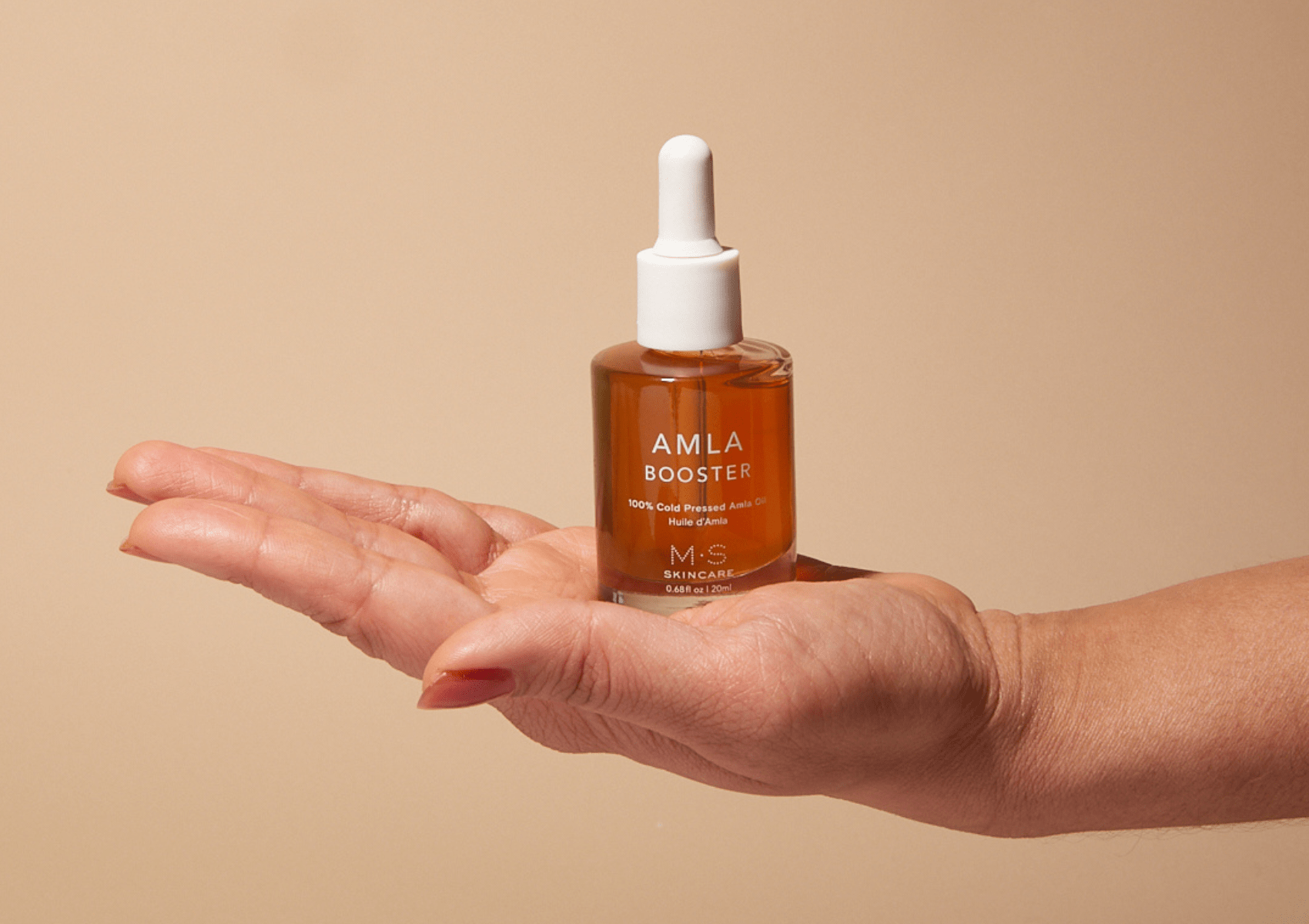
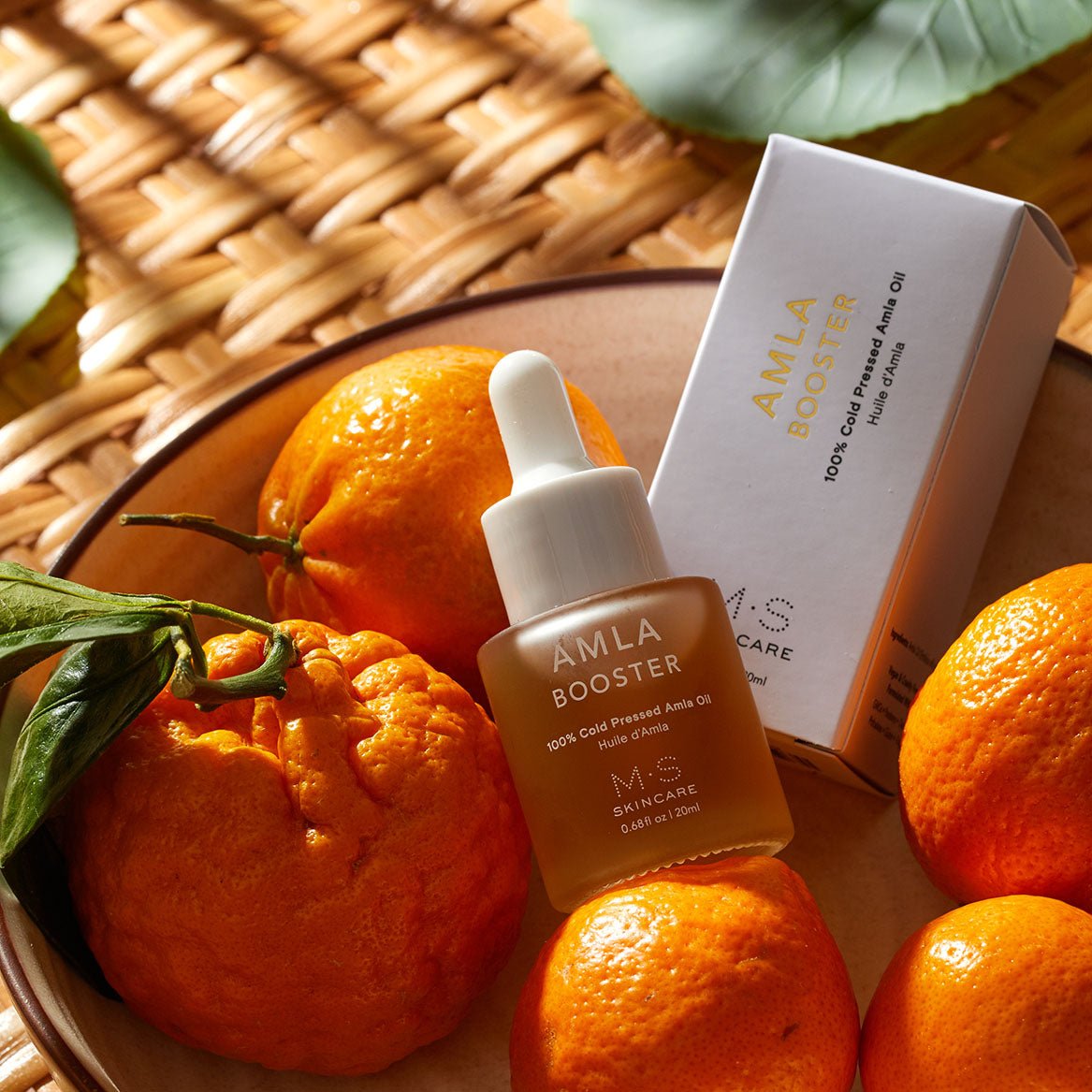
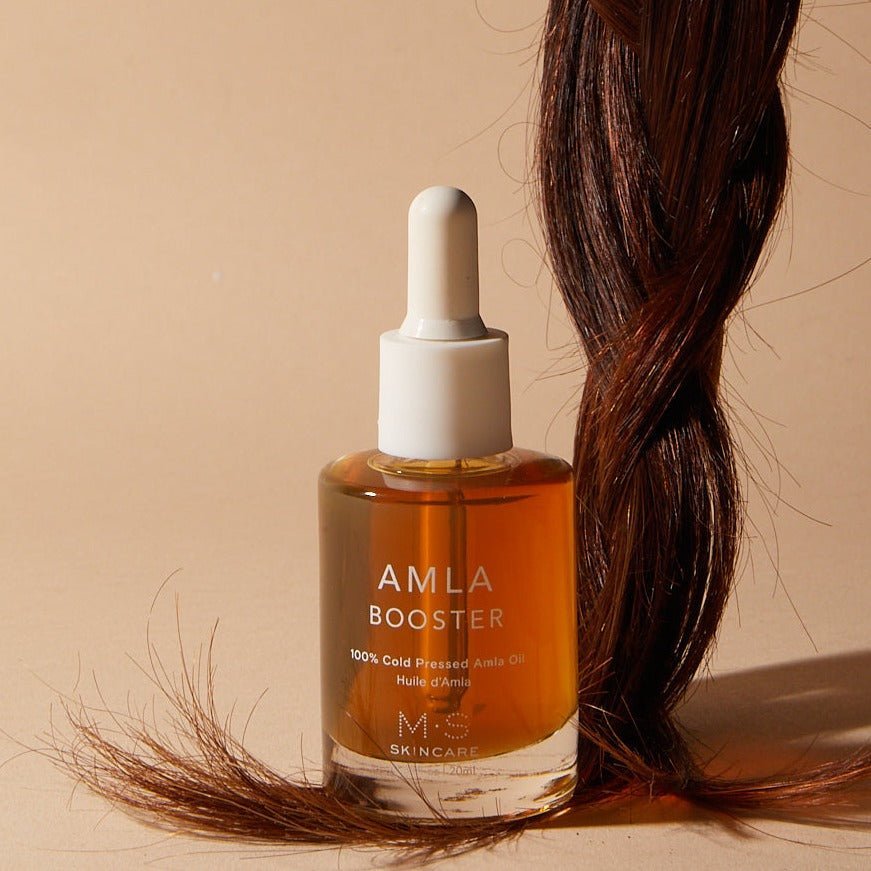
AUM is built on a base of organic coconut oil, one of Ayurveda's most beloved body oils, infused with Gotu kola extract, known to help reduce the appearance of cellulite, scars, and skin damage. Vitamin C-rich Kakadu plum and Amla oil brighten and firm skin for a full-body glow. Lavender provides the calming, grounding quality that makes this oil ideal for a morning or evening Abhyanga practice.
The name AUM is intentional. It is the sacred sound of the oldest mantra, the cosmic apex of the divine. We chose it because this oil is meant to be more than a moisturizer. It is meant to be a ritual.
Pairing Abhyanga with Your Skincare Ritual
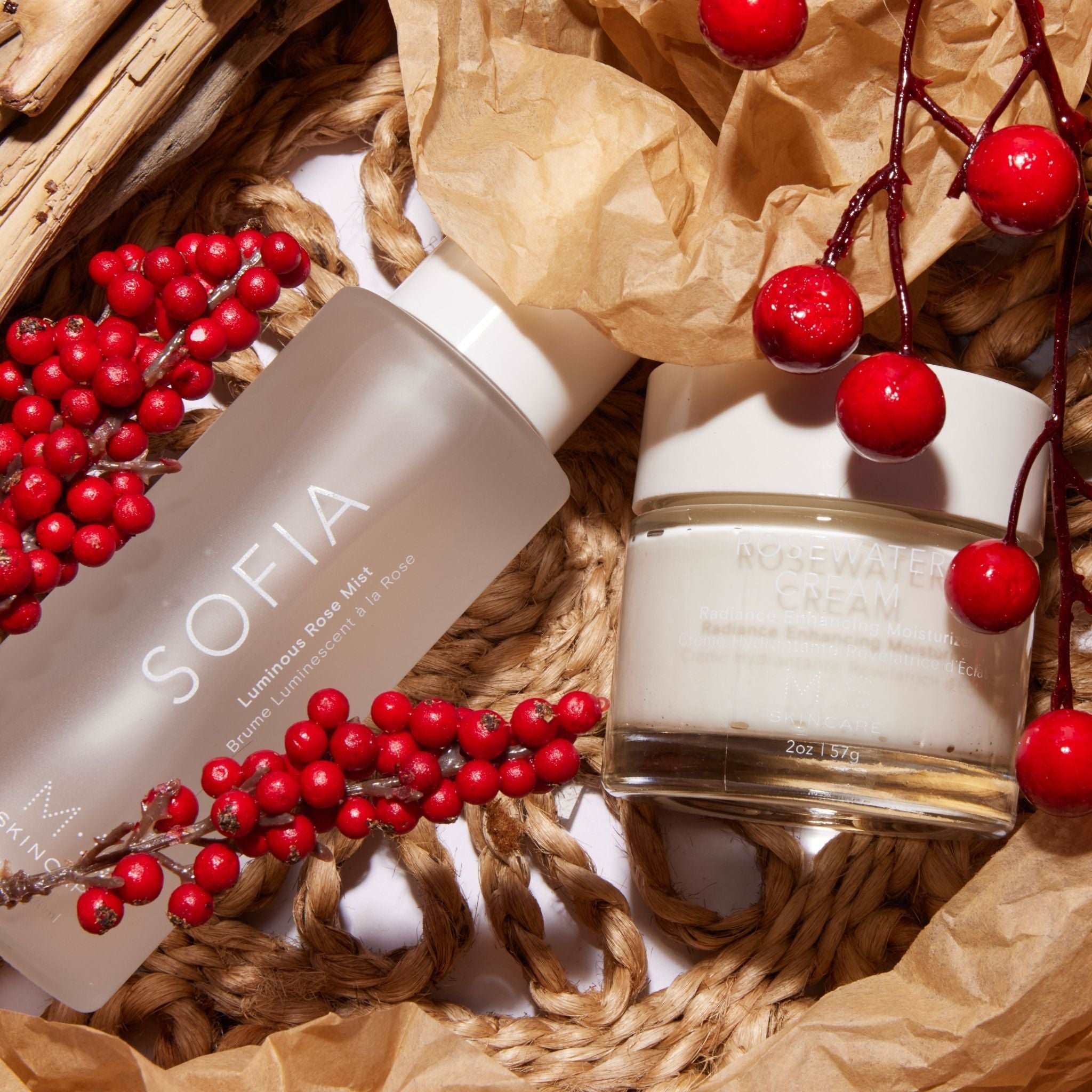
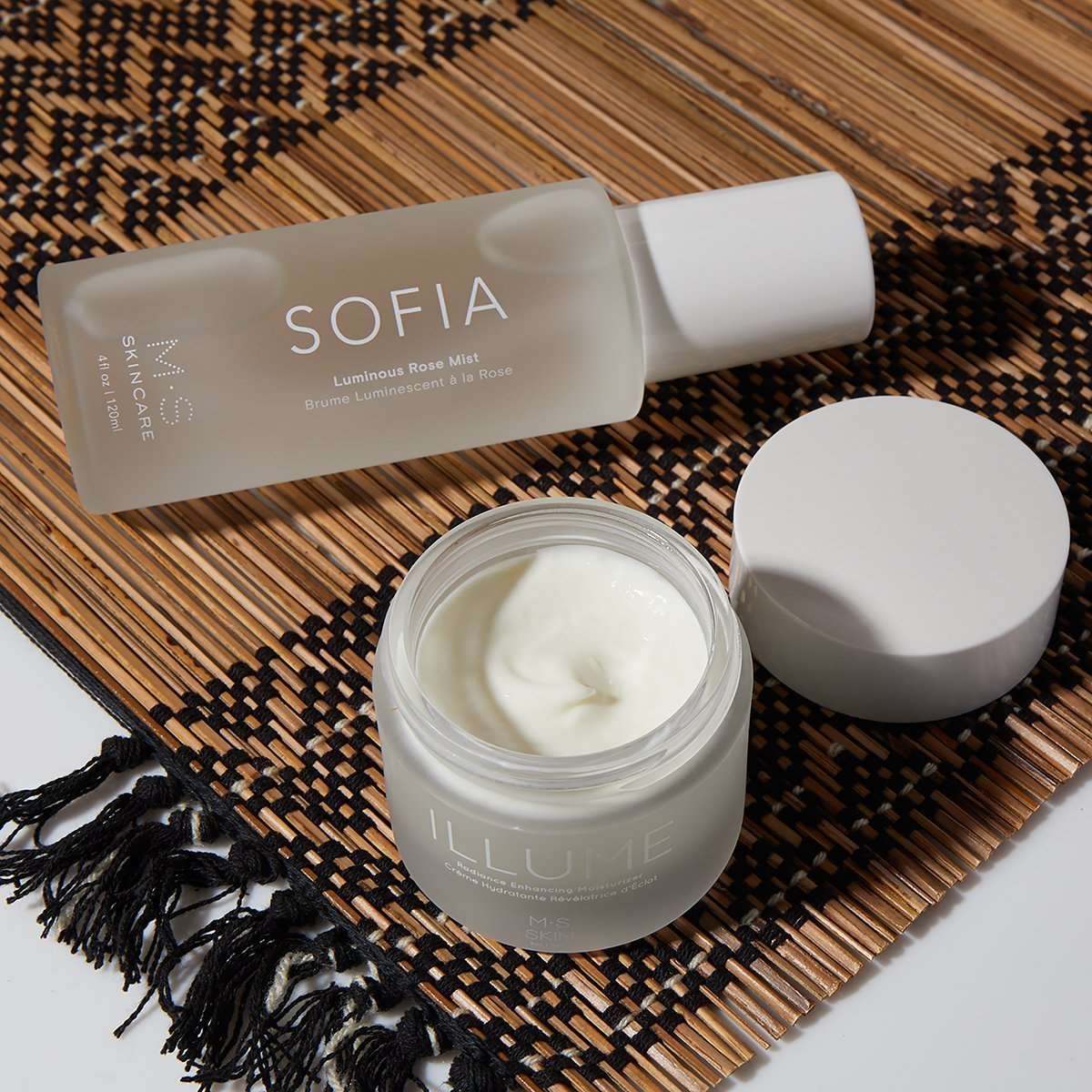
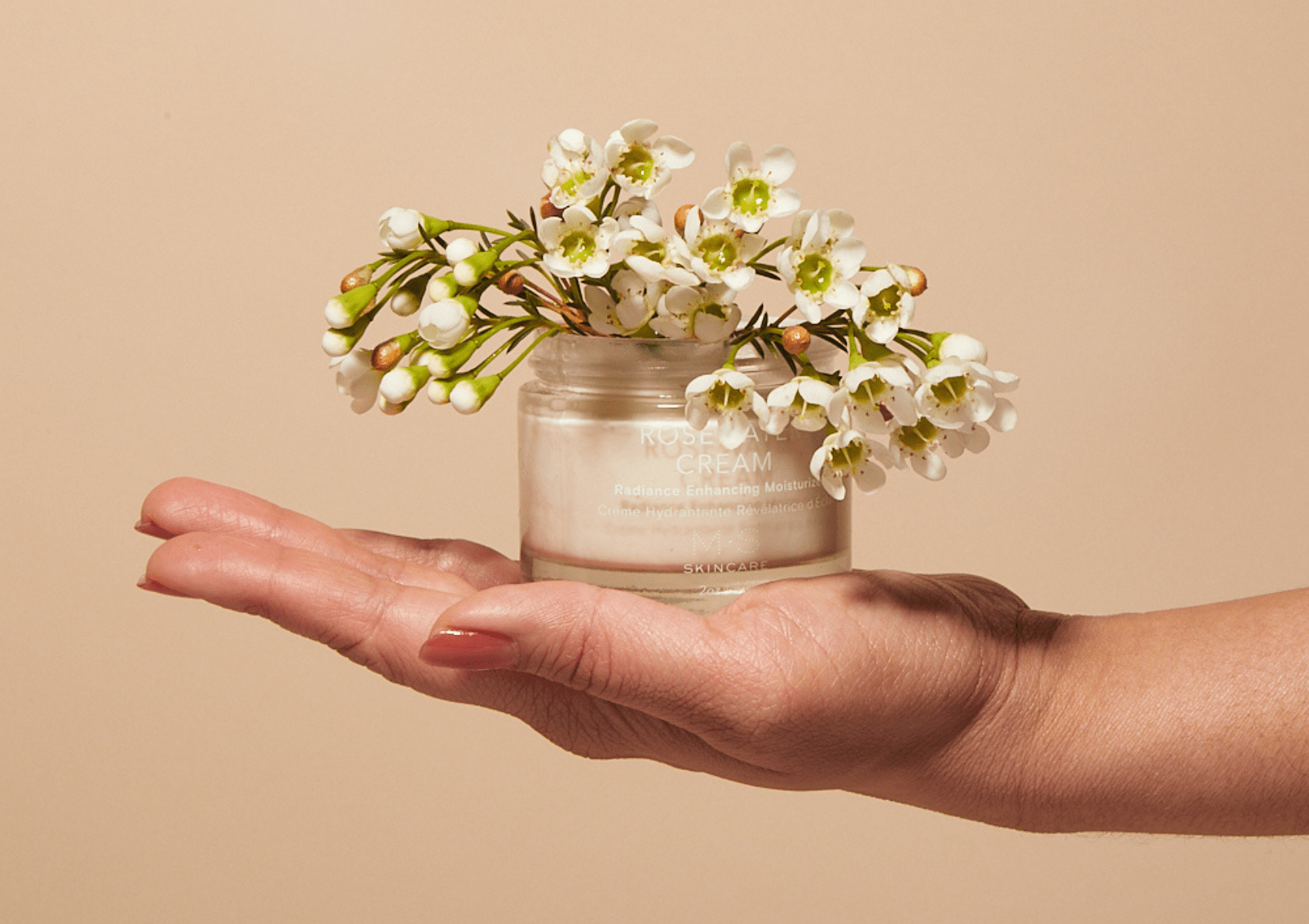
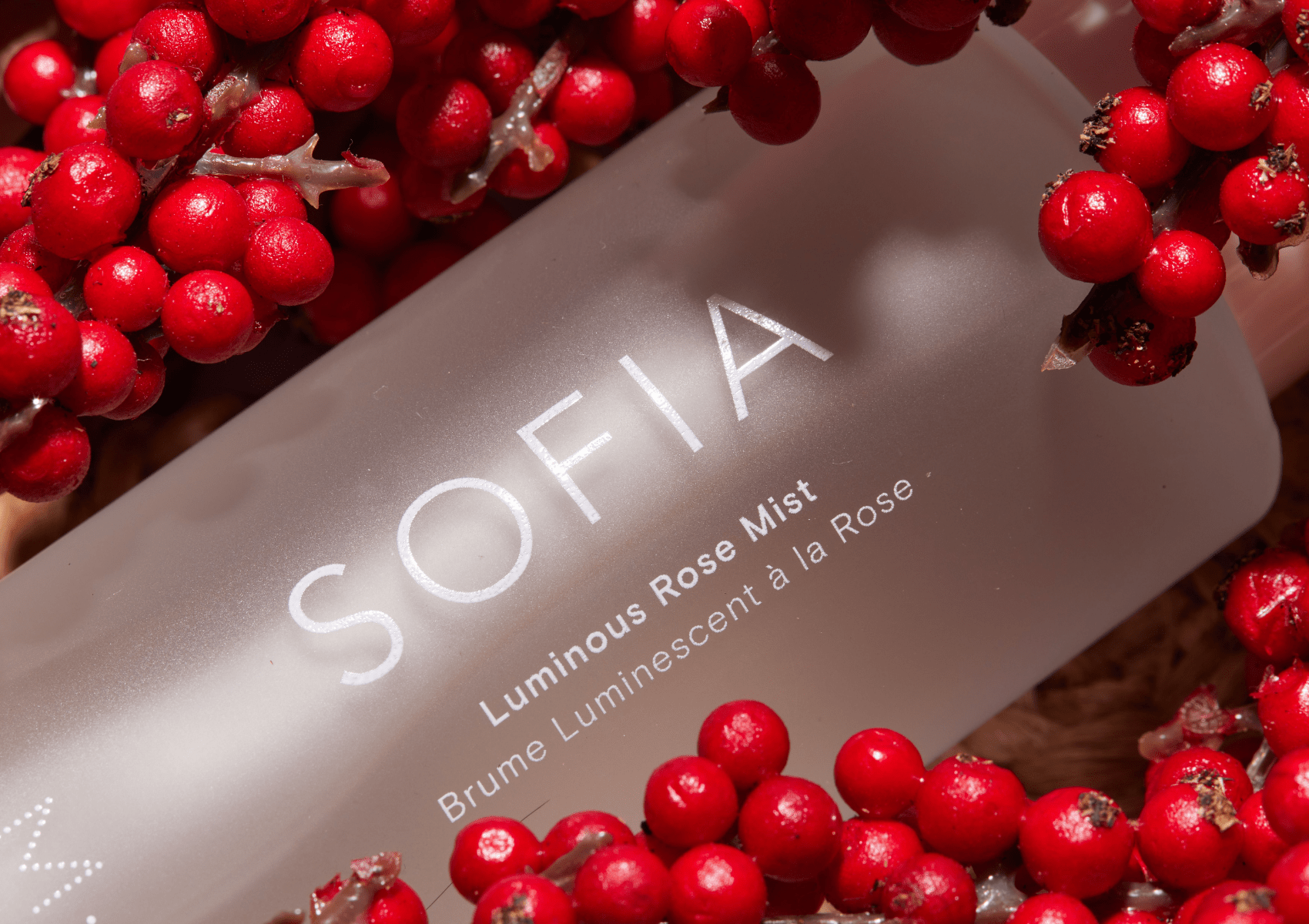
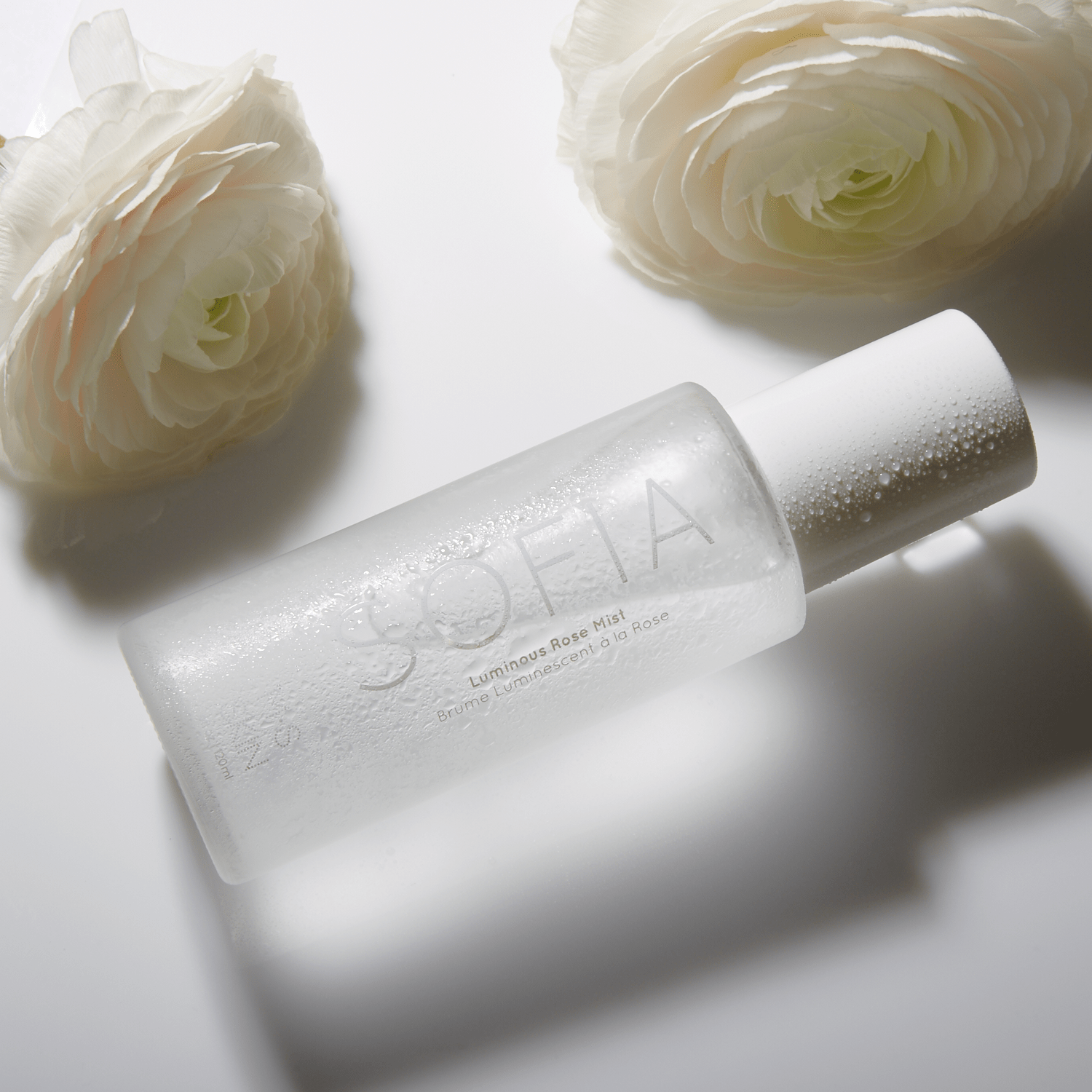
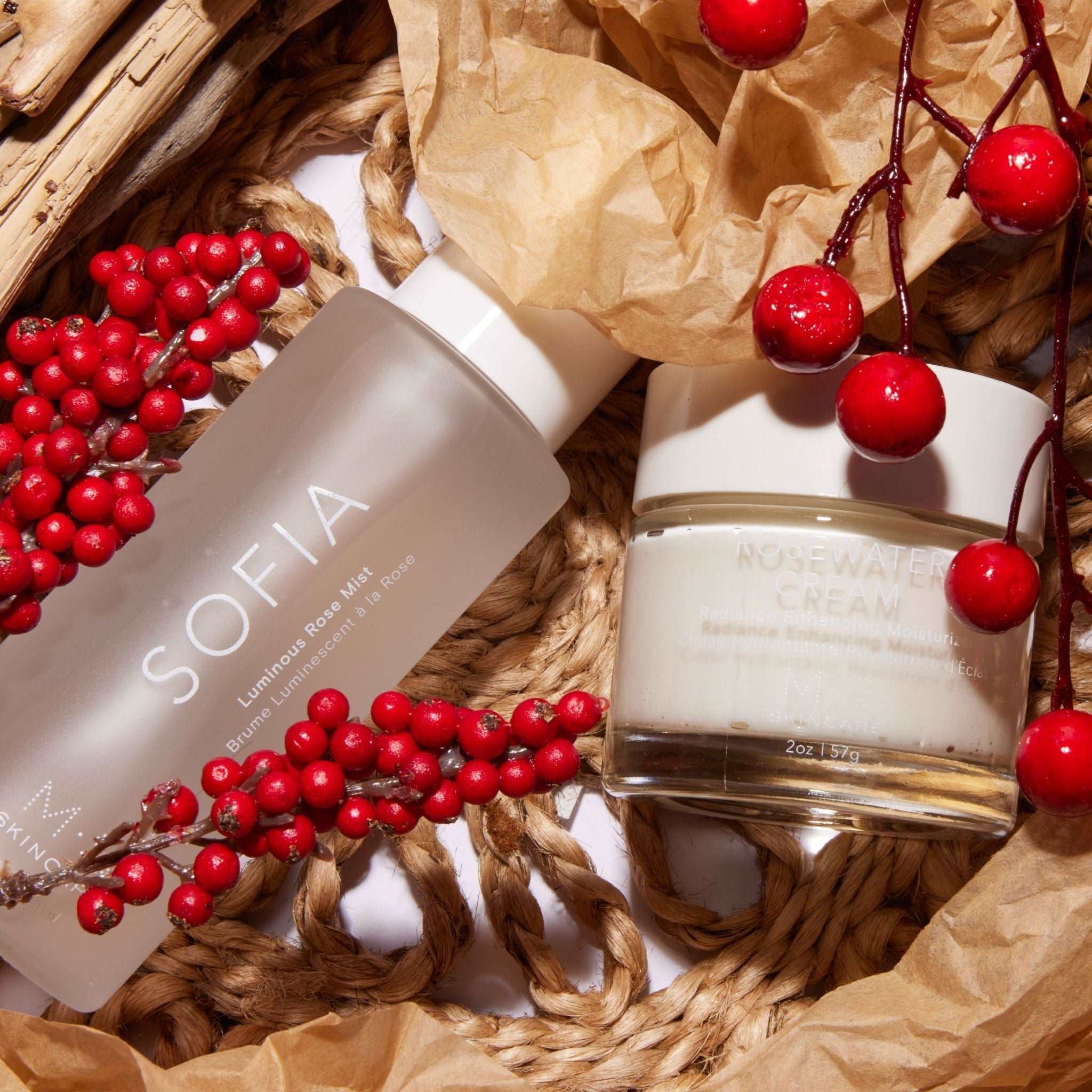
After your Abhyanga and shower, your skin is warm, open, and deeply receptive. This is the ideal moment to apply your facial skincare. Mist with SOFIA Rose Mist while skin is still slightly damp, then seal with Rosewater Cream. The combination of body and face ritual, done together, creates a complete morning practice that takes under twenty minutes and sets a tone of calm and intention for the entire day.


Frequently Asked Questions
What is Abhyanga?
Abhyanga is the ancient Ayurvedic practice of self-massage with warm oil. It is traditionally performed daily as a ritual of nourishment for the skin, joints, and nervous system.
How long does Abhyanga take?
A full Abhyanga practice takes ten to fifteen minutes, plus five to fifteen minutes of rest time to allow the oil to absorb before showering. A shorter version focusing on the limbs and feet can be done in five minutes.
What oil is best for Abhyanga?
In Ayurvedic tradition, sesame oil is most commonly used, though coconut oil is also widely recommended, particularly for warmer constitutions. Our AUM Restorative Lavender Body Oil is formulated specifically for Abhyanga, combining organic coconut oil with Gotu kola, Kakadu plum, and Amla oil for a deeply nourishing and brightening practice.
Can I do Abhyanga every day?
Yes. Daily Abhyanga is the traditional recommendation. Even a shortened version done consistently will provide meaningful benefits for skin hydration, circulation, and nervous system balance.
When is the best time to do Abhyanga?
Ayurvedic tradition recommends Abhyanga in the morning before bathing, as part of the daily Dinacharya or morning routine. An evening practice before bed is also deeply calming and beneficial for sleep.