Why Rosewater Isn't Just a Trend: The Science Behind Our Pure Formula
You've probably seen rosewater everywhere lately. In face mists, toners, even lattes. But here's what most people don't know: not all rosewater is created equal.
The difference is in the distillation process
Real rosewater comes from steam distillation of fresh rose petals. This process captures the water-soluble compounds that give roses their skin-healing properties. Most commercial rosewater is just water with rose essential oil mixed in. It smells nice, but it doesn't have the same therapeutic benefits.
Steam-distilled rosewater contains natural organic acids that help balance your skin's pH. It has anti-inflammatory compounds that calm redness and irritation. The rose molecules are small enough to actually penetrate your skin, not just sit on top like fragrance.
Why roses work so well for skin
Roses contain natural sugars that help your skin retain moisture. They have tannins that gently tighten pores without being harsh. The vitamin C in roses supports collagen production, which is why people have been using rose preparations for anti-aging for centuries.
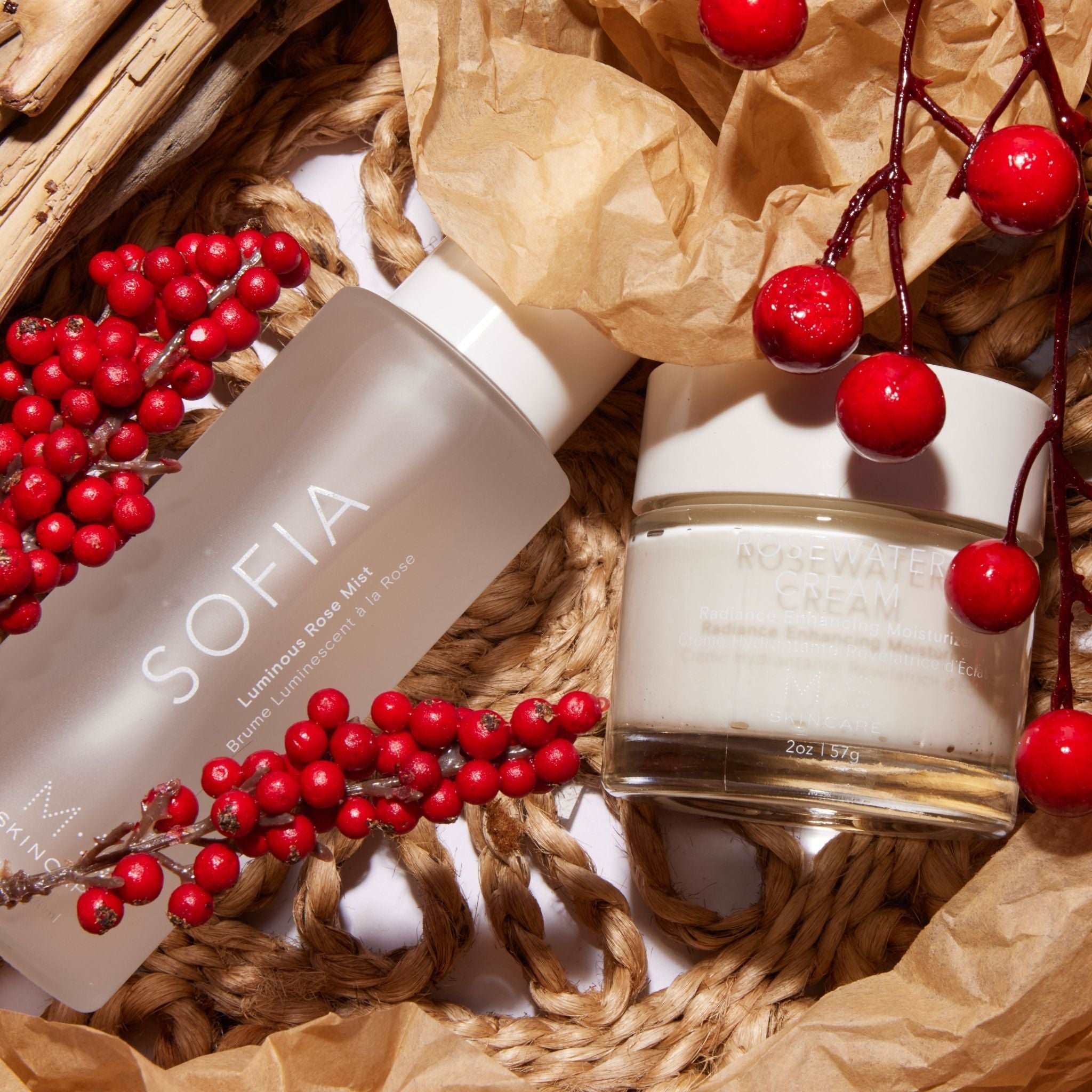
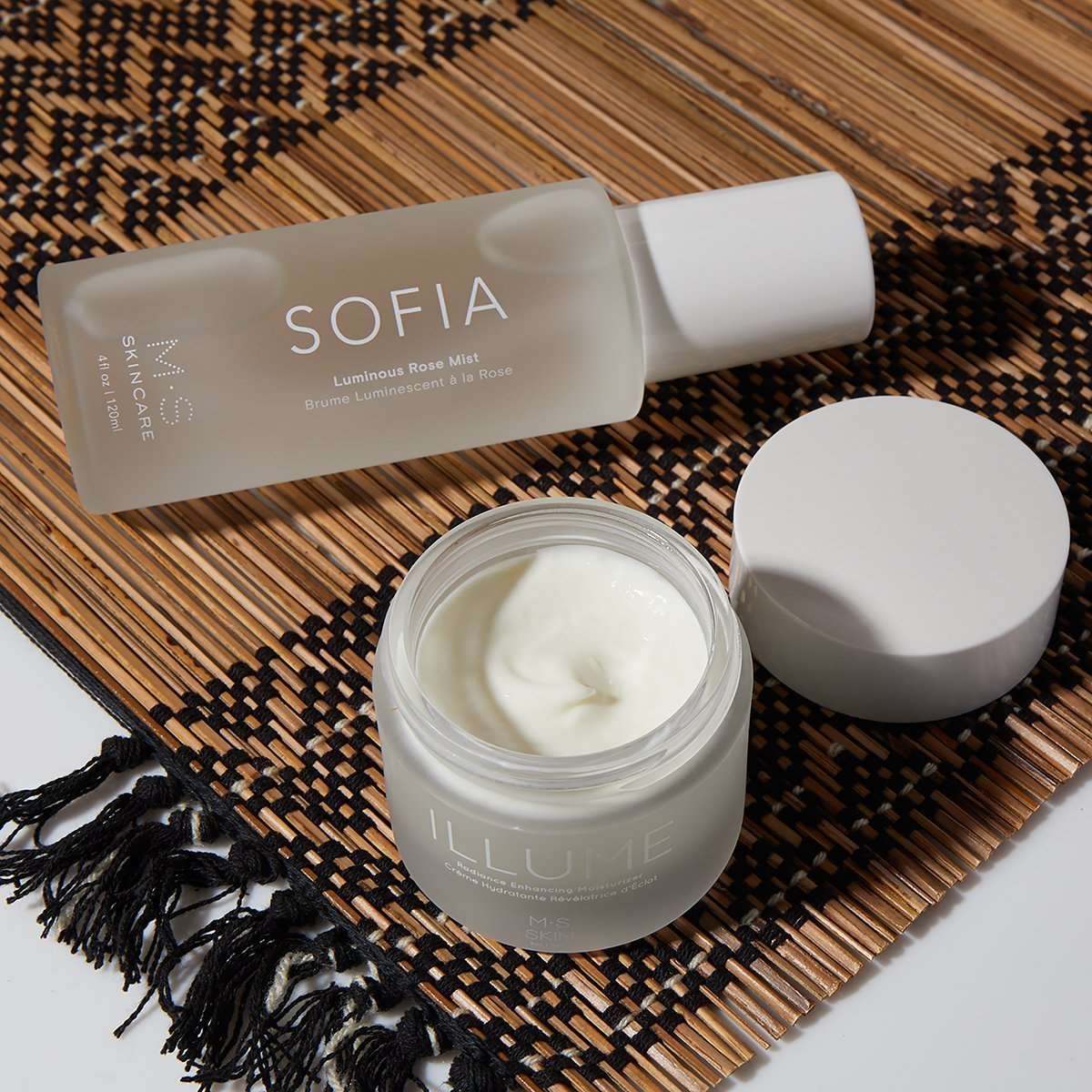
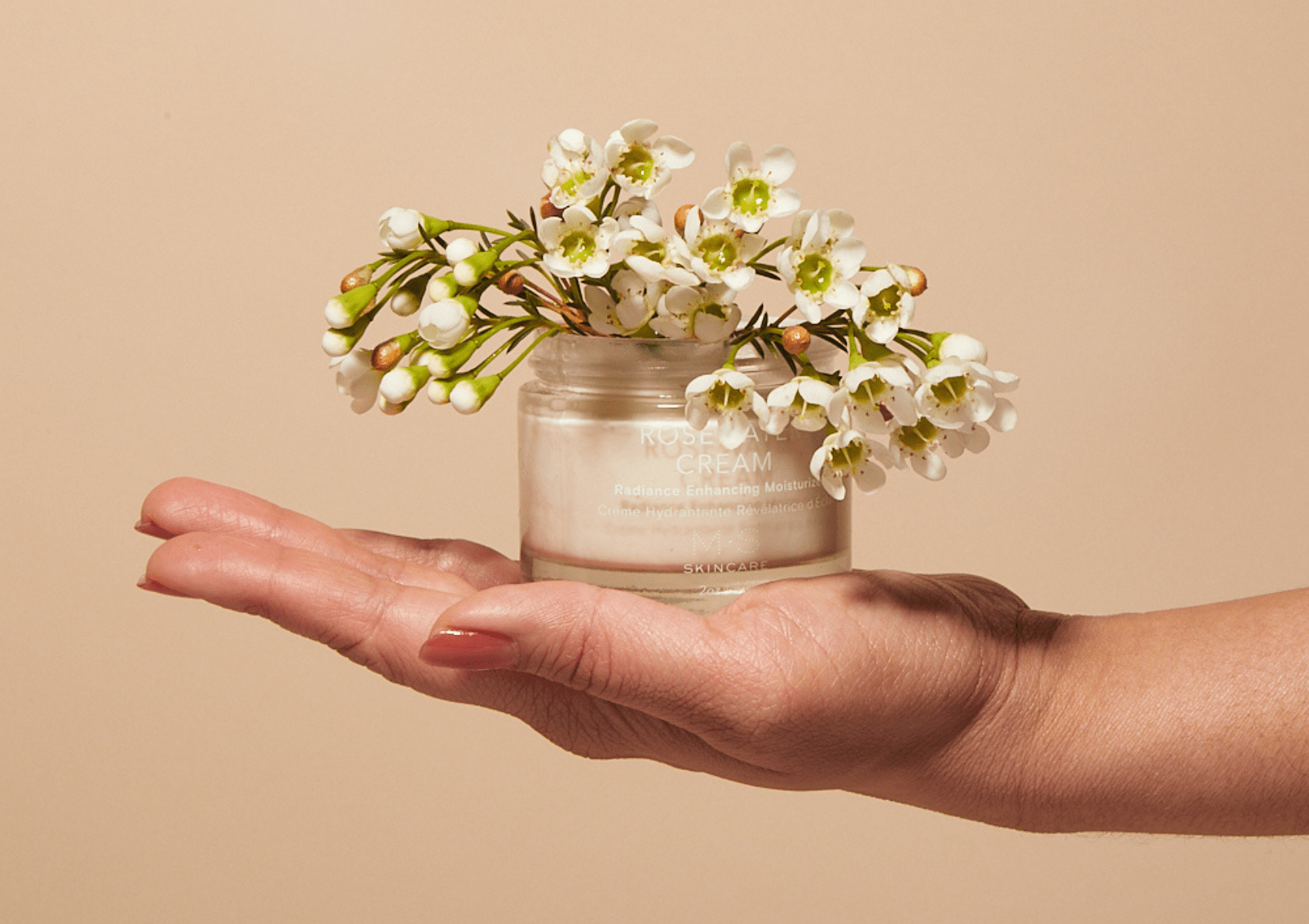
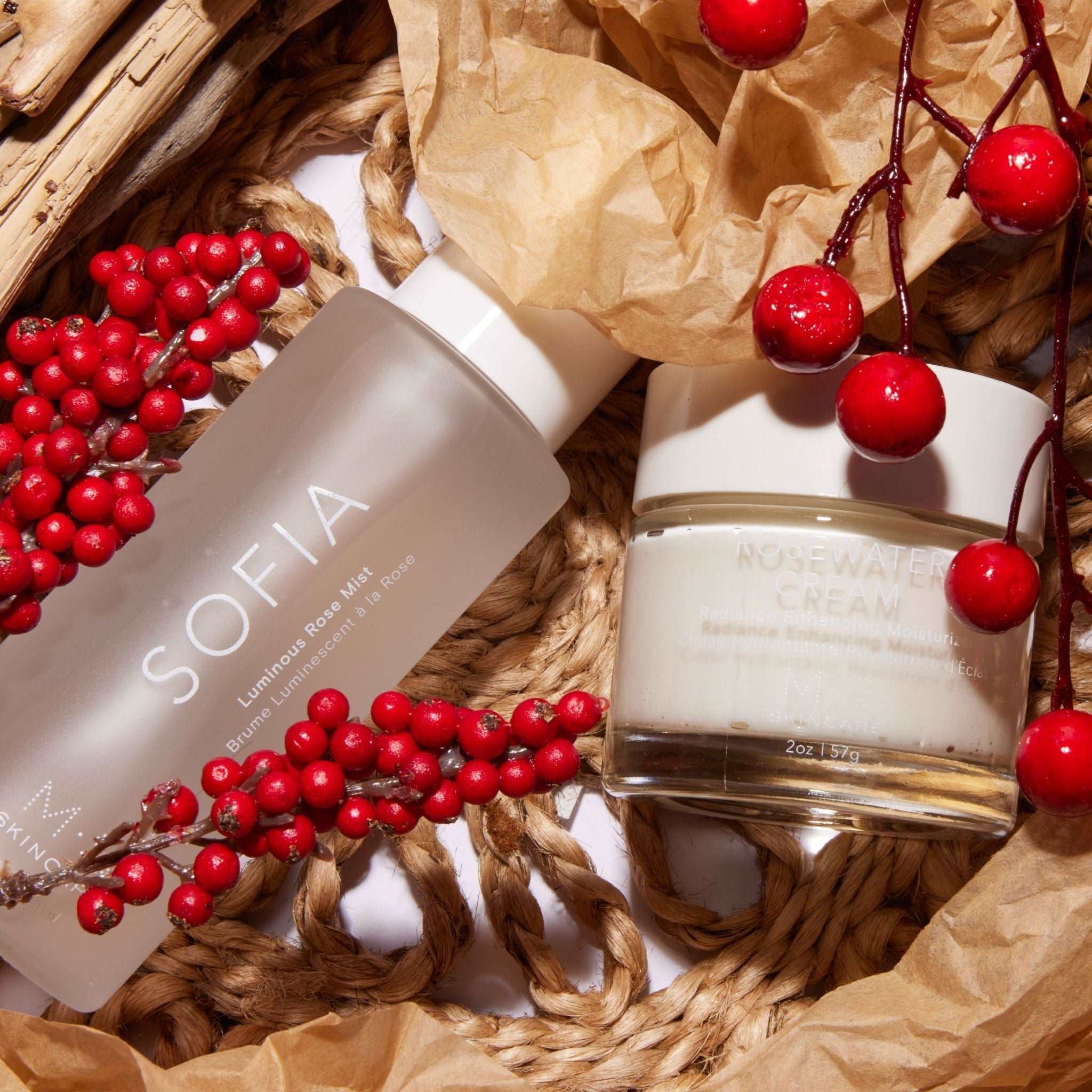
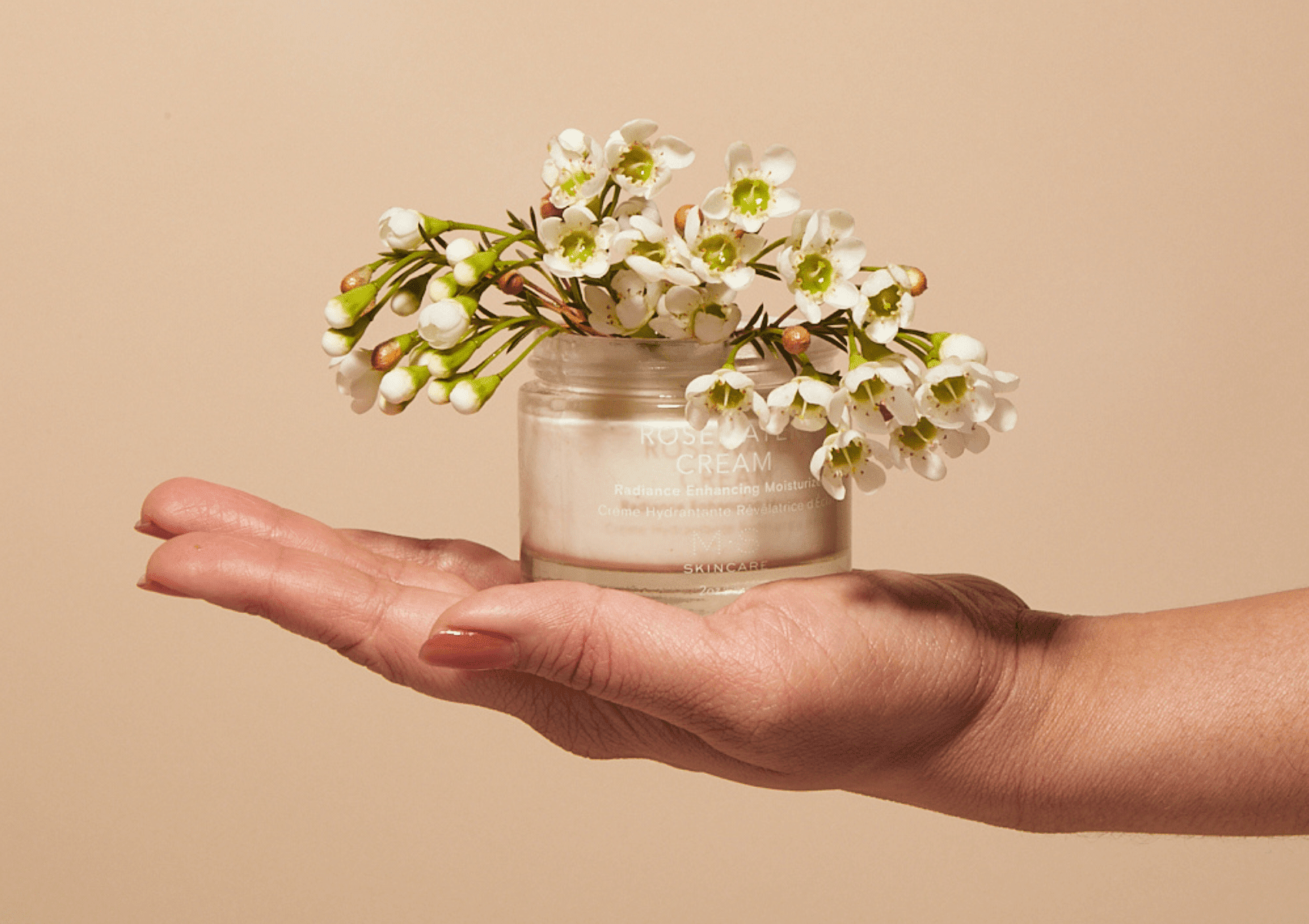
In our Rosewater Cream, the hand-distilled rosewater works as both a hydrator and a delivery system for the other botanical ingredients. Your skin recognizes these rose compounds because humans have been using roses medicinally for over 3,000 years.
The real test
True rosewater should smell fresh and green, not overly floral or perfumy. It should feel slightly astringent on your skin, not sticky or filmy. And it should work immediately, not after weeks of use.
When you find real rosewater, your skin knows the difference.