The Ayurvedic Case for Oil Cleansing
The idea of washing your face with oil still surprises people. It sounds counterintuitive, especially if you grew up being told that oil causes breakouts and that the goal of cleansing is to strip your skin clean. But Ayurvedic tradition understood something that modern skincare is only recently catching up to: oil dissolves oil, and the skin responds far better to nourishment than to stripping. Oil cleansing is not a trend. It is one of the oldest and most effective cleansing methods in the world.
What Is Oil Cleansing?
Oil cleansing is the practice of using a plant-based oil or oil blend to dissolve and lift makeup, sebum, pollutants, and impurities from the skin. Unlike foaming or gel cleansers that rely on surfactants to strip the skin's surface, oil cleansers work by binding to the lipid layer of the skin and gently drawing out what does not belong there, without disrupting the skin's natural moisture barrier in the process.
In Ayurvedic practice, this principle is known as Snehana, the application of oil to the body and face as a form of nourishment and preparation. It is considered one of the foundational acts of self-care, not just a cleansing step but a ritual of restoration.
Why Oil Cleansing Works
The skin's surface is naturally lipid-rich. When you cleanse with a harsh surfactant, you remove not just impurities but also the skin's own protective oils, which can trigger the skin to overproduce sebum in response. This is one reason why people with oily or acne-prone skin often find that stripping cleansers make their skin oilier over time.
Oil cleansing works with the skin's chemistry rather than against it. A well-formulated cleansing oil dissolves excess sebum and impurities while leaving the skin's barrier intact. The result is skin that feels clean but not tight, balanced but not stripped.
Who Is Oil Cleansing Best For?
Oil cleansing is suitable for most skin types, including oily and combination skin. It is particularly beneficial for skin that feels tight or reactive after cleansing, skin that is prone to congestion from makeup or sunscreen, and skin that is dry, sensitive, or compromised. The key is choosing the right oil blend for your skin's needs.
How to Oil Cleanse Properly
Apply the cleansing oil to dry skin. Massage gently in circular motions for one to two minutes, allowing the oil to bind to impurities. Add a small amount of warm water to emulsify, then rinse thoroughly. Follow with your usual toner or mist and moisturizer. For a deeper cleanse, use as the first step in a double cleanse.
Why We Formulated SILK
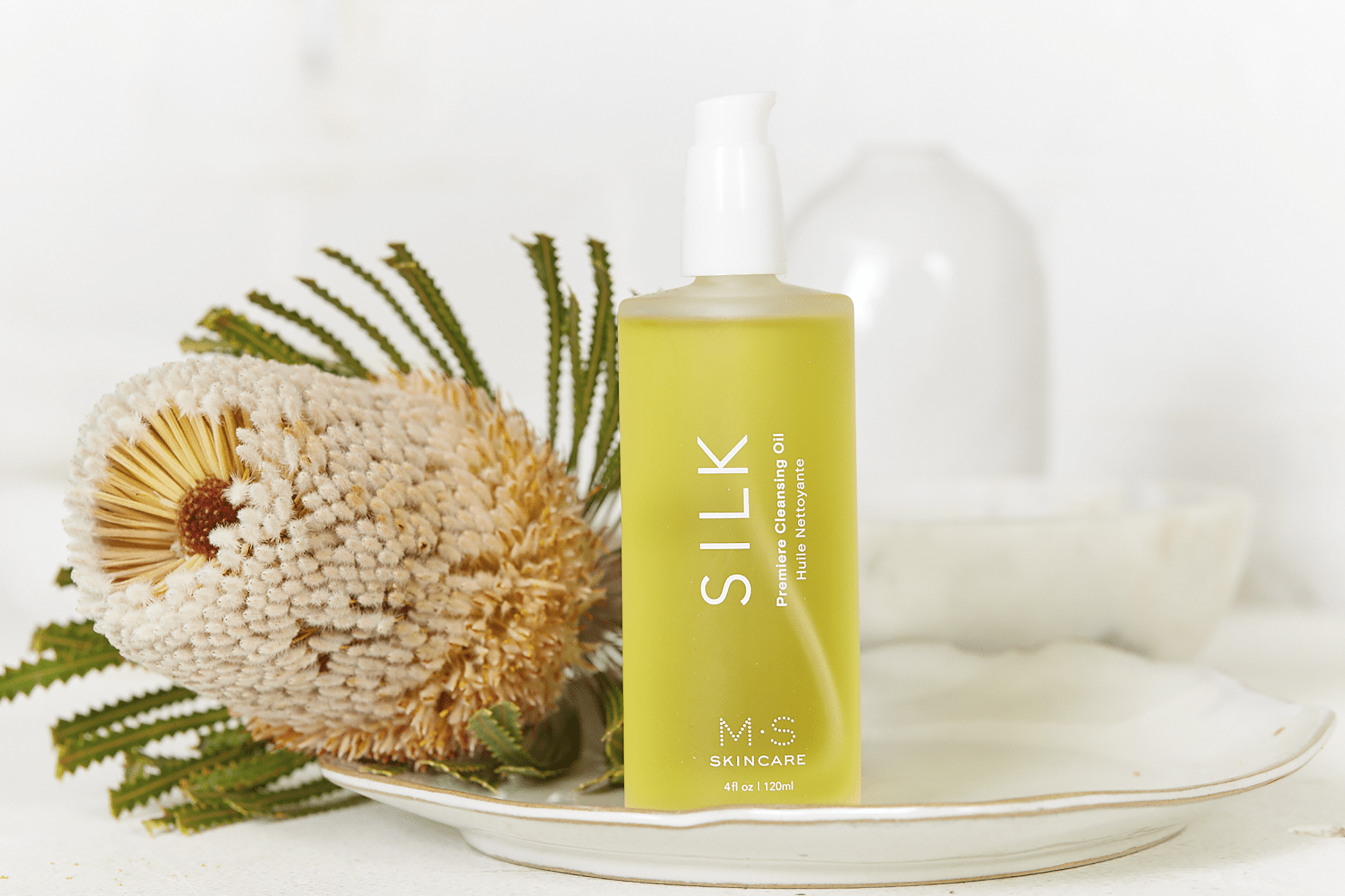
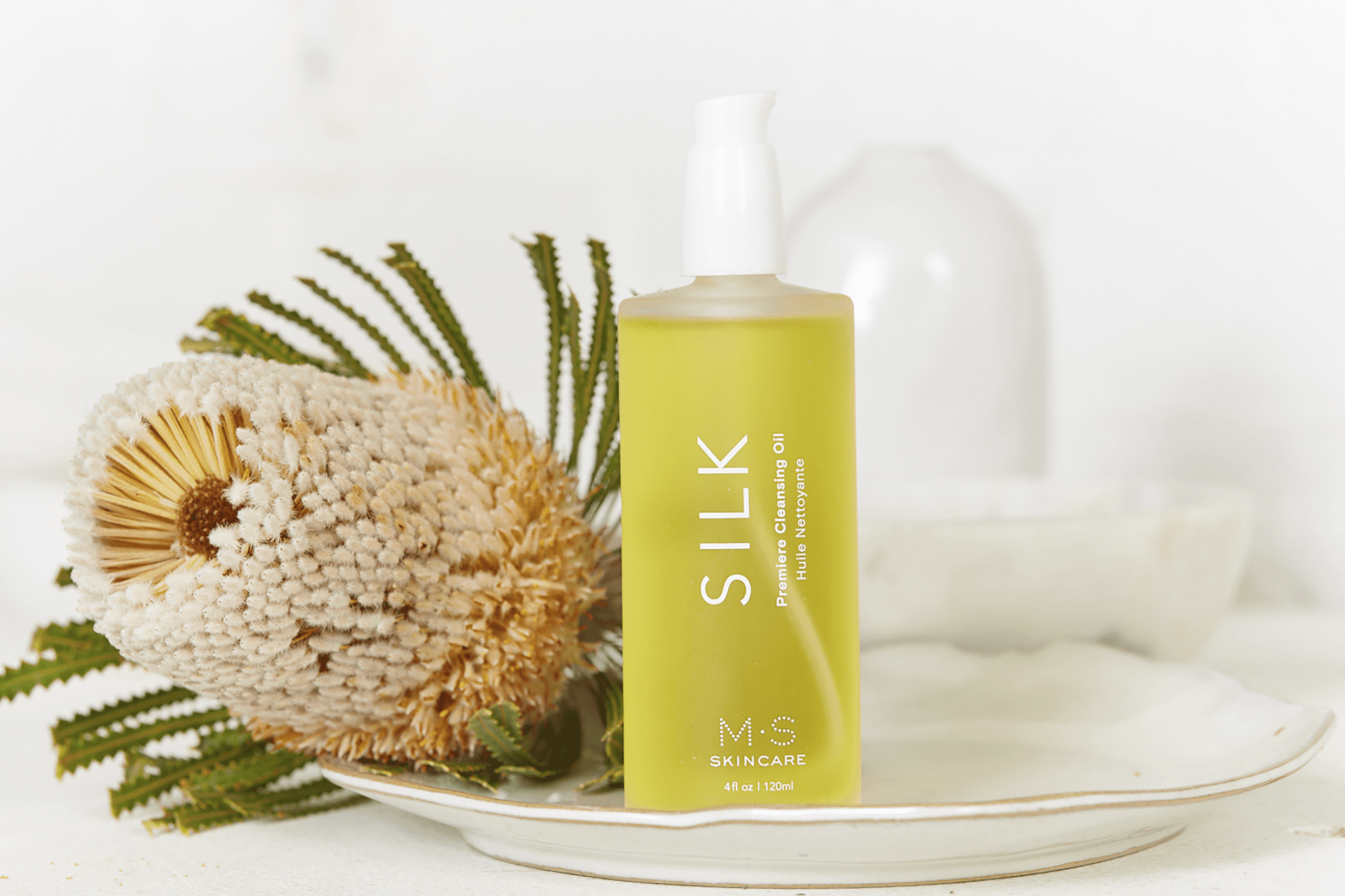
Our SILK Cleansing Oil was formulated around two of Ayurveda's most respected skin oils: Frankincense and Black Cumin.

Frankincense oil is known in Ayurvedic tradition for its ability to balance sebum production, fade the appearance of scarring, and support skin lifting and tightening. Black Cumin Oil, sometimes called the seed of blessing, is deeply anti-inflammatory and antibacterial, helping to clarify congested pores and support skin regeneration. Together, they make a cleansing oil that does far more than remove makeup. It actively restores the skin while it cleanses.
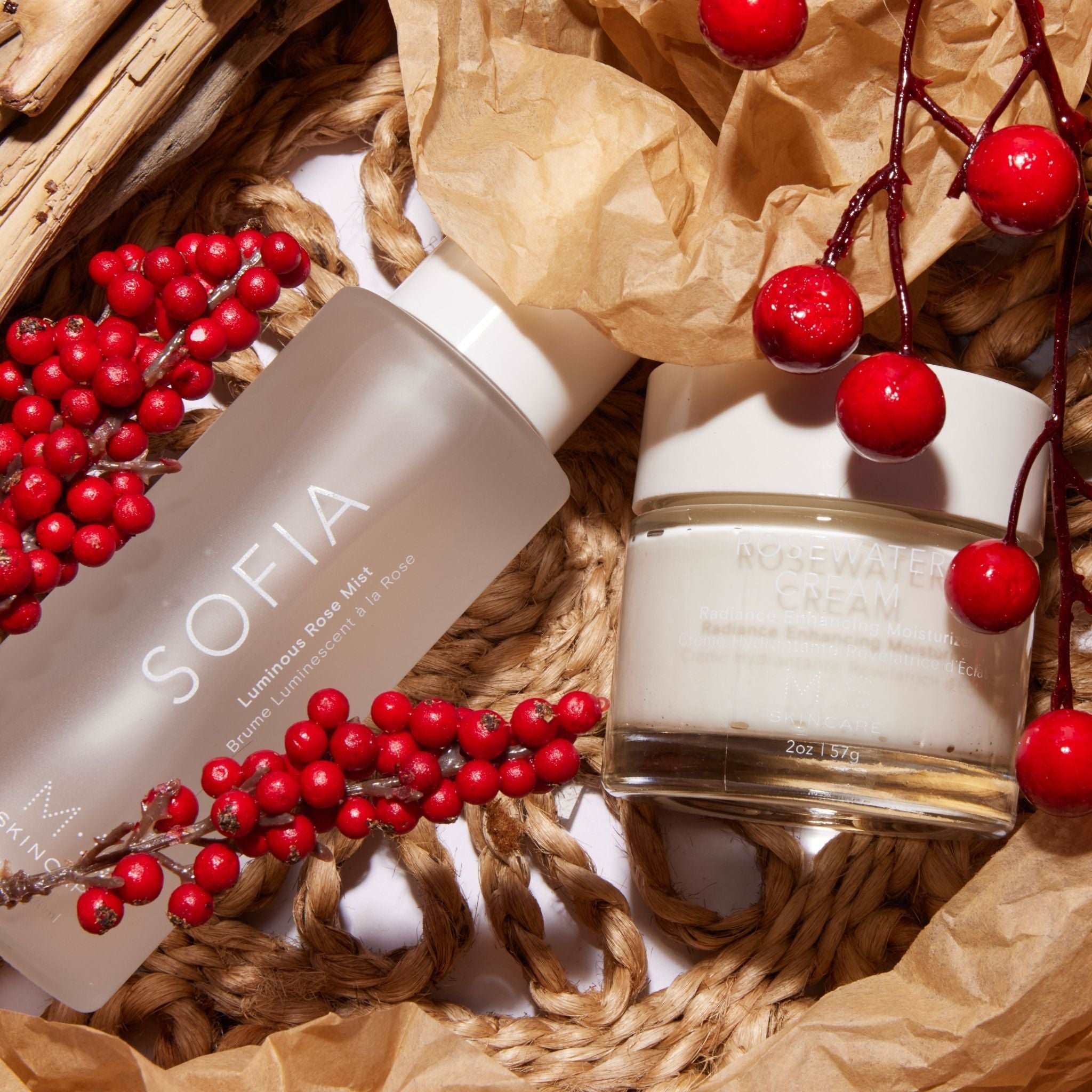
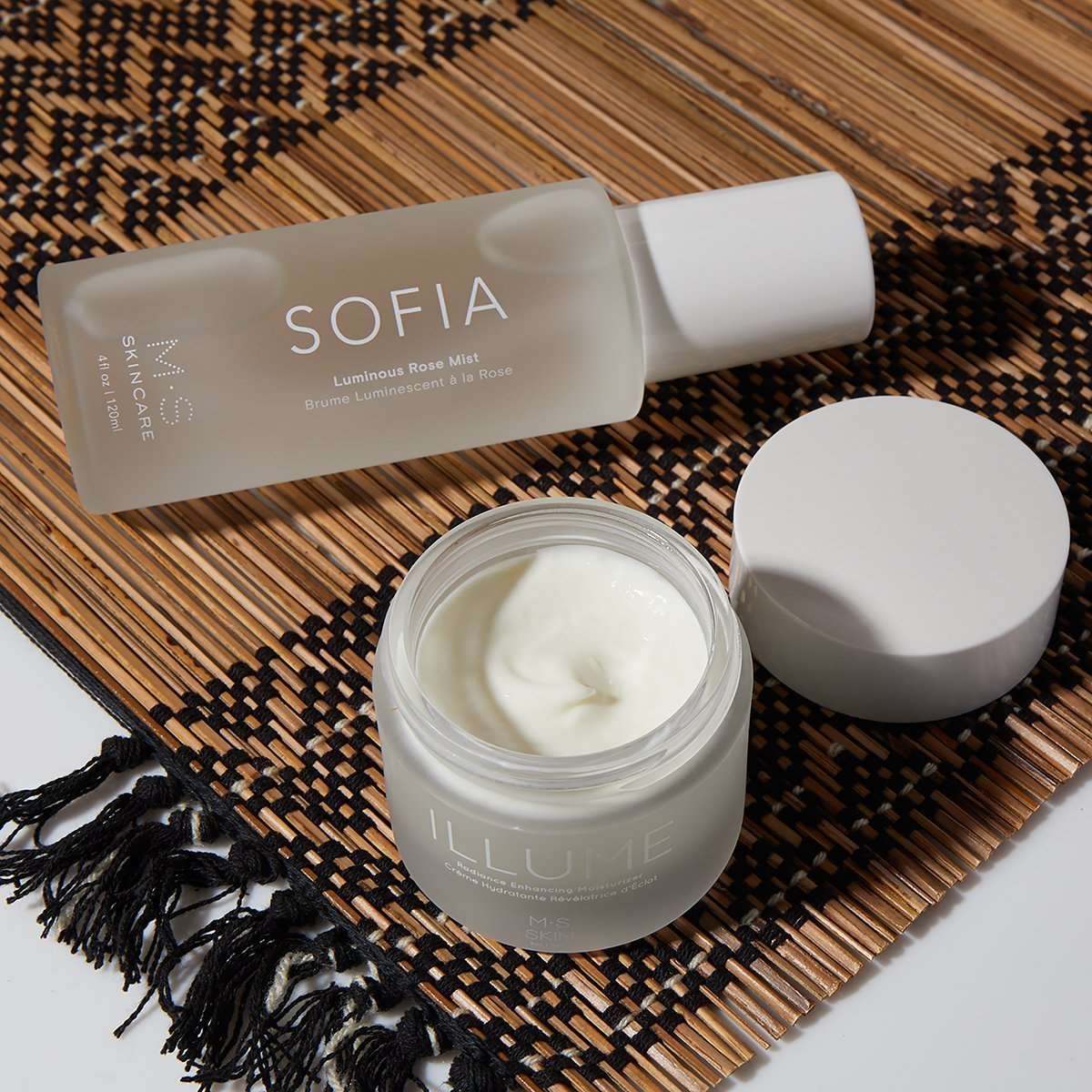
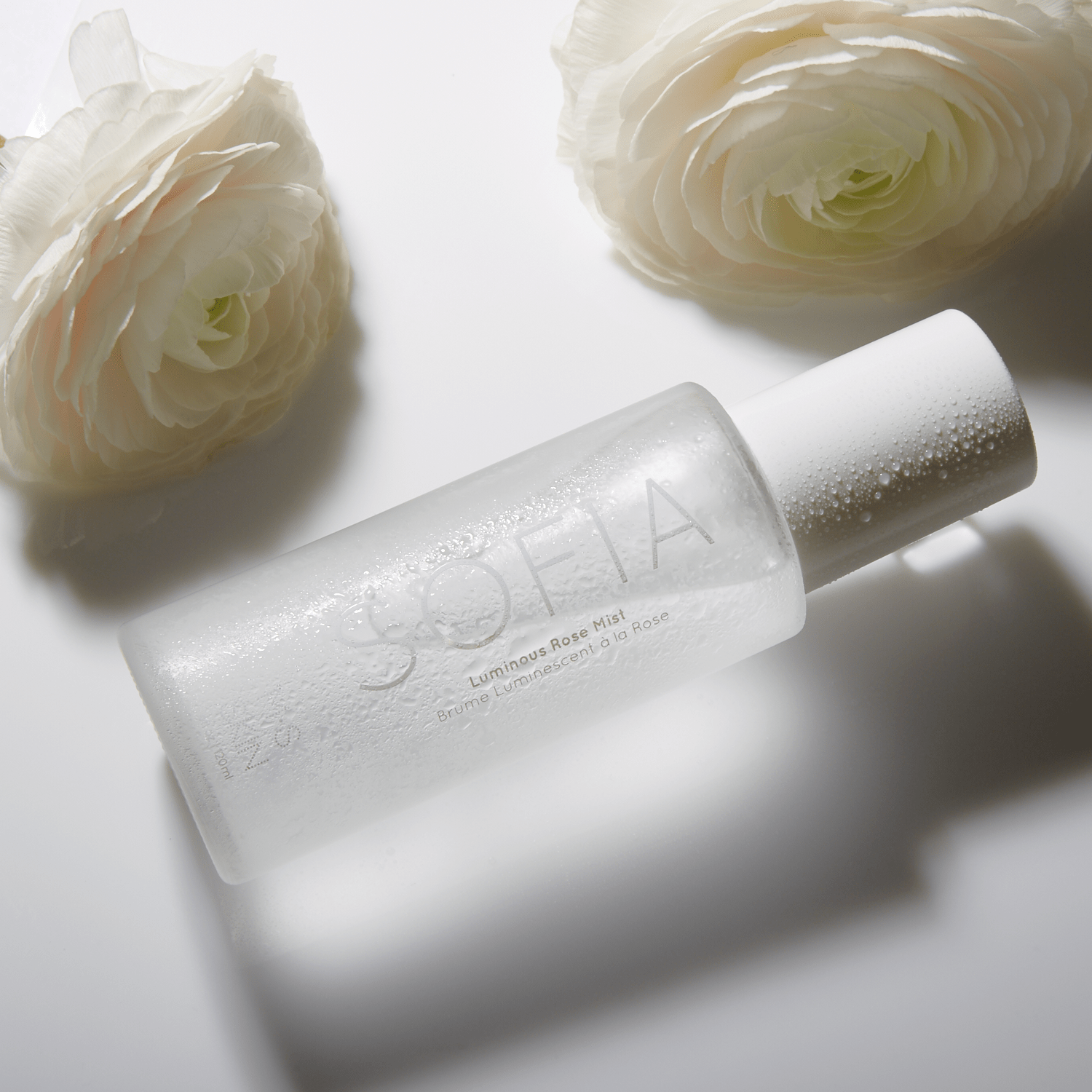
SILK is formulated for all skin types and works beautifully as both a standalone cleanser and the first step in a double cleanse. Pair it with SOFIA Rose Mist after rinsing for an immediate hit of hydration and antioxidant support.

Frequently Asked Questions
Is oil cleansing good for oily skin?
Yes. Oil cleansing can actually help regulate sebum production over time by cleansing without stripping the skin's natural oils. Many people with oily skin find their skin becomes more balanced with regular oil cleansing.
Will oil cleansing cause breakouts?
A well-formulated cleansing oil should not cause breakouts. The key is choosing non-comedogenic oils suited to your skin type and rinsing thoroughly. SILK is formulated with Frankincense and Black Cumin Oil, both known for their clarifying and anti-inflammatory properties.
Can I use oil cleansing to remove makeup?
Yes. Oil cleansing is one of the most effective ways to remove makeup, including waterproof formulas, without tugging or irritating the skin.
What is the difference between oil cleansing and micellar water?
Micellar water uses surfactant molecules suspended in water to lift impurities. Oil cleansing uses plant-based oils to dissolve them. Oil cleansing is generally more nourishing and better suited to dry, sensitive, or barrier-compromised skin.
How often should I oil cleanse?
Most people oil cleanse once daily, typically in the evening to remove the day's buildup. Some use it as the first step in a double cleanse, followed by a lighter water-based cleanser.