LED therapy August 16, 2026
Red Light, Blue Light, Near-Infrared: What Each Wavelength Does for Your Skin
Light therapy is not one thing. It is a family of treatments, each using a different wavelength of light to trigger a different biological response in the skin. Red light does something different from blue light. Near-infrared does something different from both. Understanding the distinction is the difference between choosing a device that addresses your actual concern and choosing one that does not.
Here is what the science says about each wavelength, and how Nanoleaf delivers all three.
Red Light (630 to 660nm): Collagen, Repair, and Anti-Aging
Red light at 630 to 660 nanometers is one of the most studied wavelengths in skincare. It is absorbed by mitochondria in skin cells, triggering increased ATP production and stimulating fibroblasts to produce collagen and elastin. The result, with consistent use, is reduced appearance of fine lines, improved skin texture and tone, and faster healing of damaged tissue.
Red light also reduces inflammation at the cellular level, making it effective for redness, rosacea, and post-procedure recovery. It does not generate heat and does not damage the skin. It is one of the few anti-aging interventions with a robust clinical evidence base and no meaningful side effects.
Blue Light (415nm): Acne and Antimicrobial
Blue light at 415 nanometers targets Cutibacterium acnes, the bacteria responsible for inflammatory acne. The light activates porphyrins, compounds naturally produced by the bacteria, which then generate reactive oxygen species that destroy the bacterial cell. The result is a reduction in active breakouts without antibiotics, without benzoyl peroxide, and without the dryness and irritation those treatments cause.
Blue light is most effective for inflammatory acne, the red, raised breakouts caused by bacterial activity. It is less effective for comedonal acne, blackheads and whiteheads, which are caused by clogged pores rather than bacterial overgrowth.
Near-Infrared Light (NIR): Deep Tissue Repair and Recovery
Near-infrared light is invisible to the naked eye but penetrates significantly deeper than red light, reaching muscle tissue, tendons, and joints. At that depth, it supports cellular repair, reduces inflammation, and improves circulation in ways that surface-level red light cannot.
For the face, near-infrared light reaches the deeper layers of the dermis where collagen and elastin are produced, amplifying the anti-aging effects of red light. For the body, it supports muscle recovery, joint pain relief, and post-exercise repair.
How Nanoleaf Delivers All Three

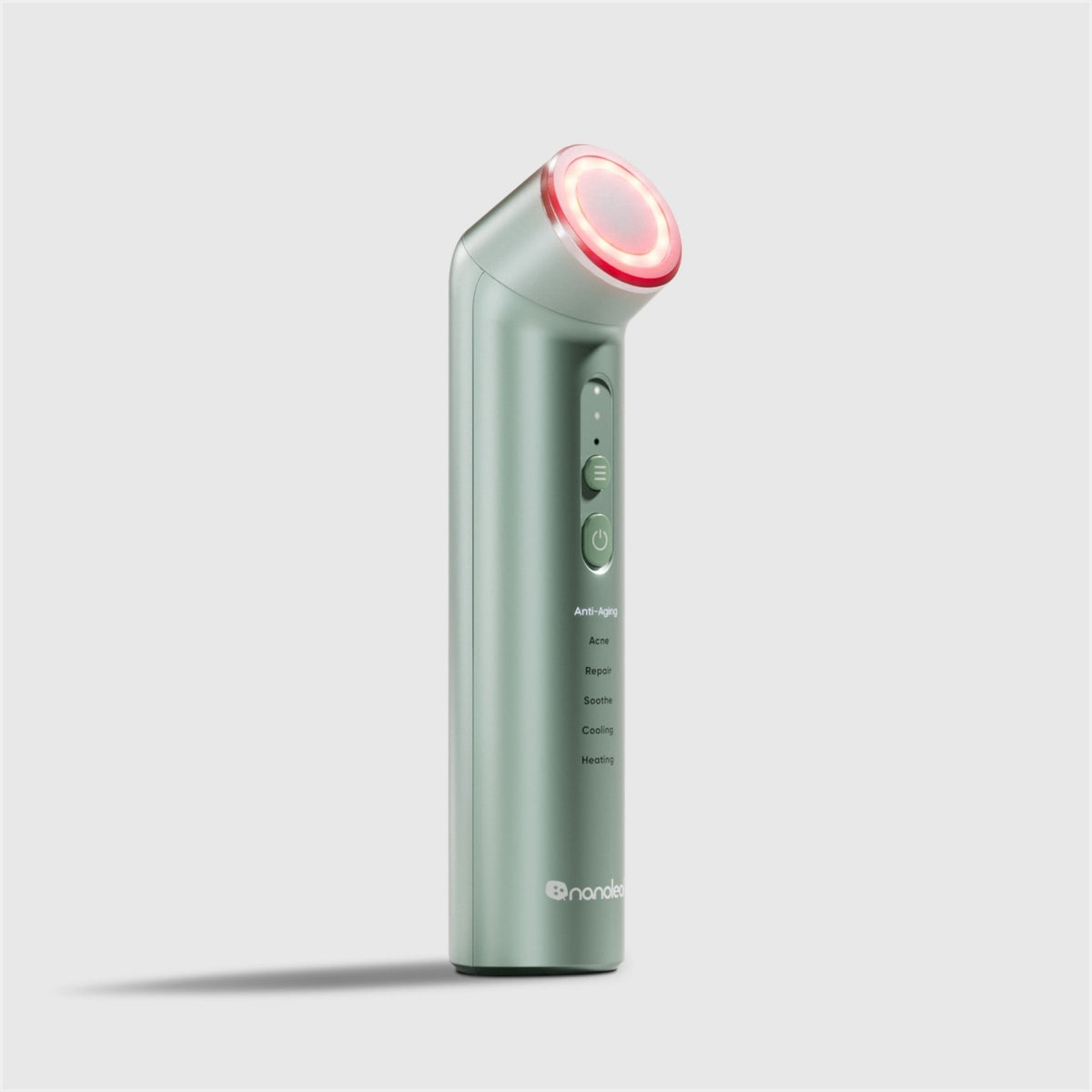
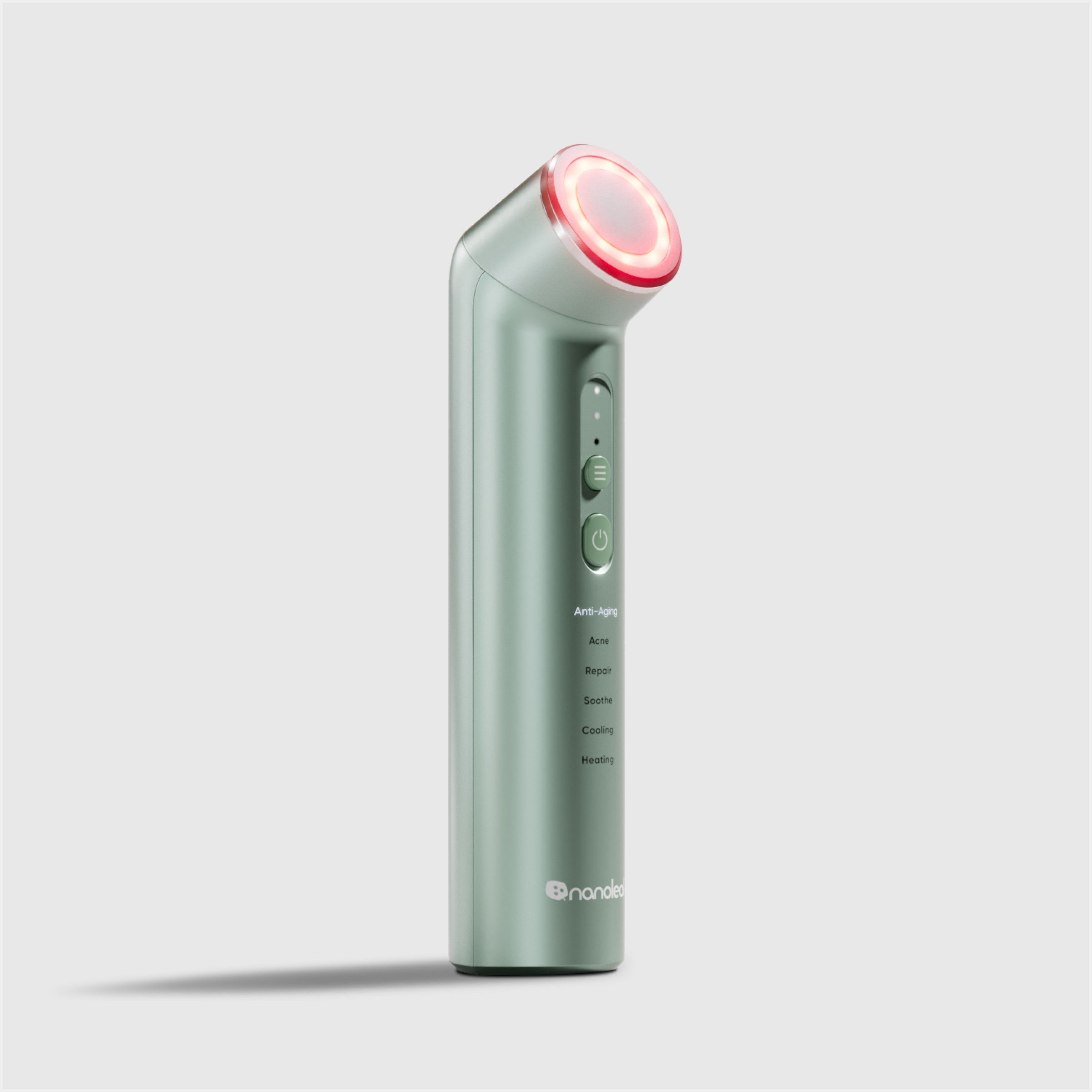
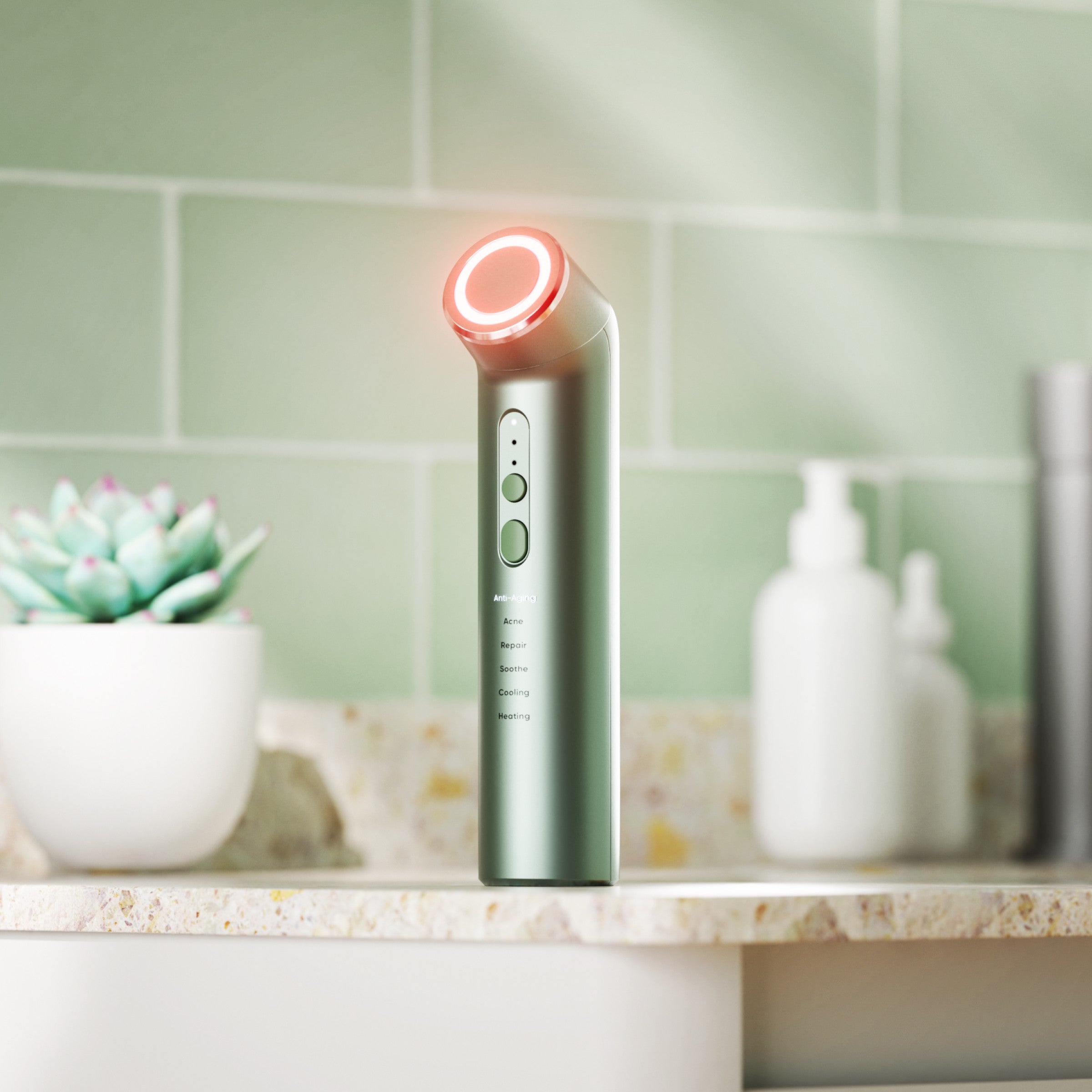
The 6-in-1 Light Therapy Wand combines red, near-infrared, and blue light with vibration, cooling, and heating in six targeted treatment modes. FDA cleared, portable, rechargeable, and HSA and FSA eligible. One reviewer described it as "a game changer," noting a smoother complexion, more even skin tone, and an overall healthier look.

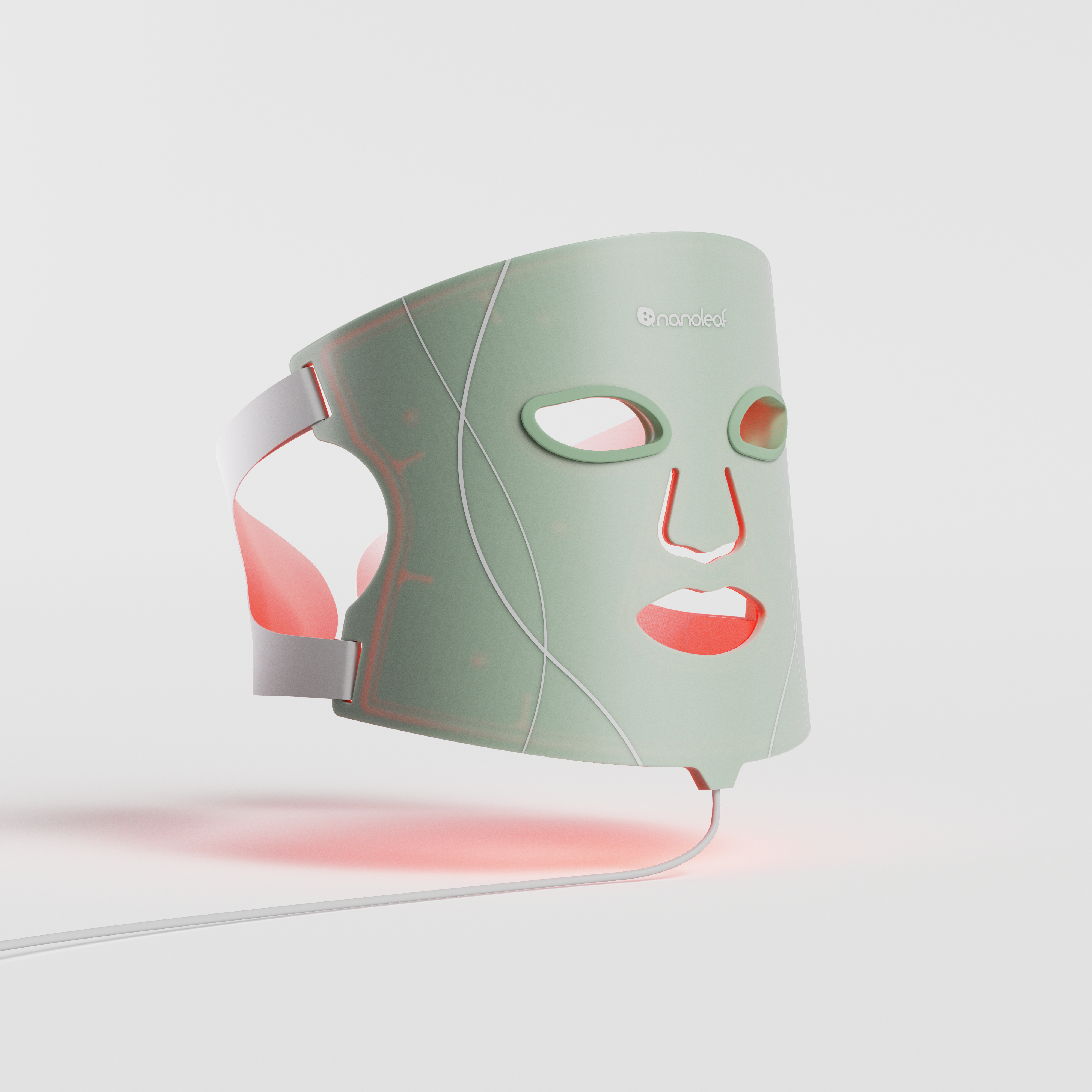
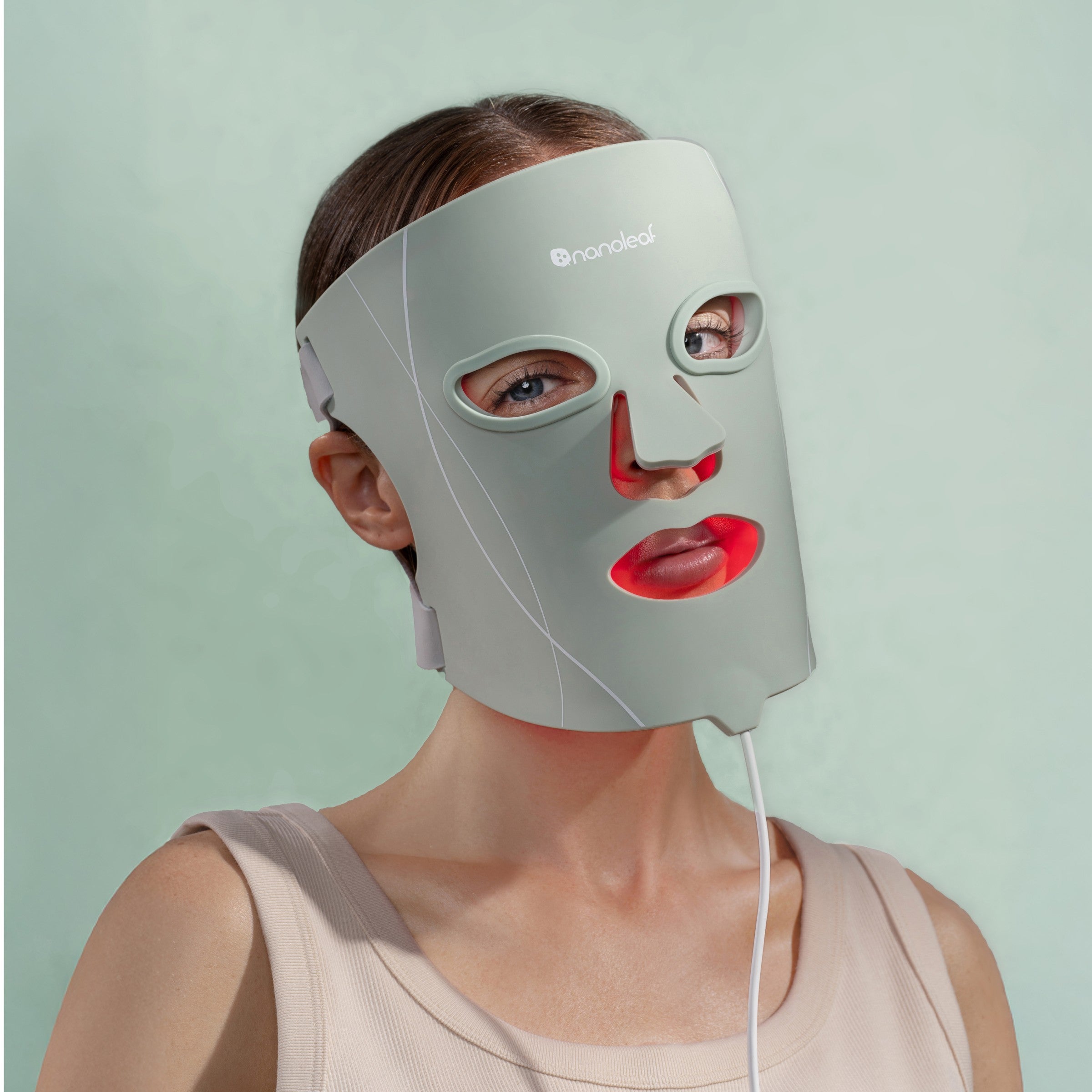
The LED Light Therapy Face Mask delivers full-face treatment with 7 targeted modes and near-infrared penetration for deeper results. FDA cleared, portable, rechargeable, and HSA and FSA eligible.

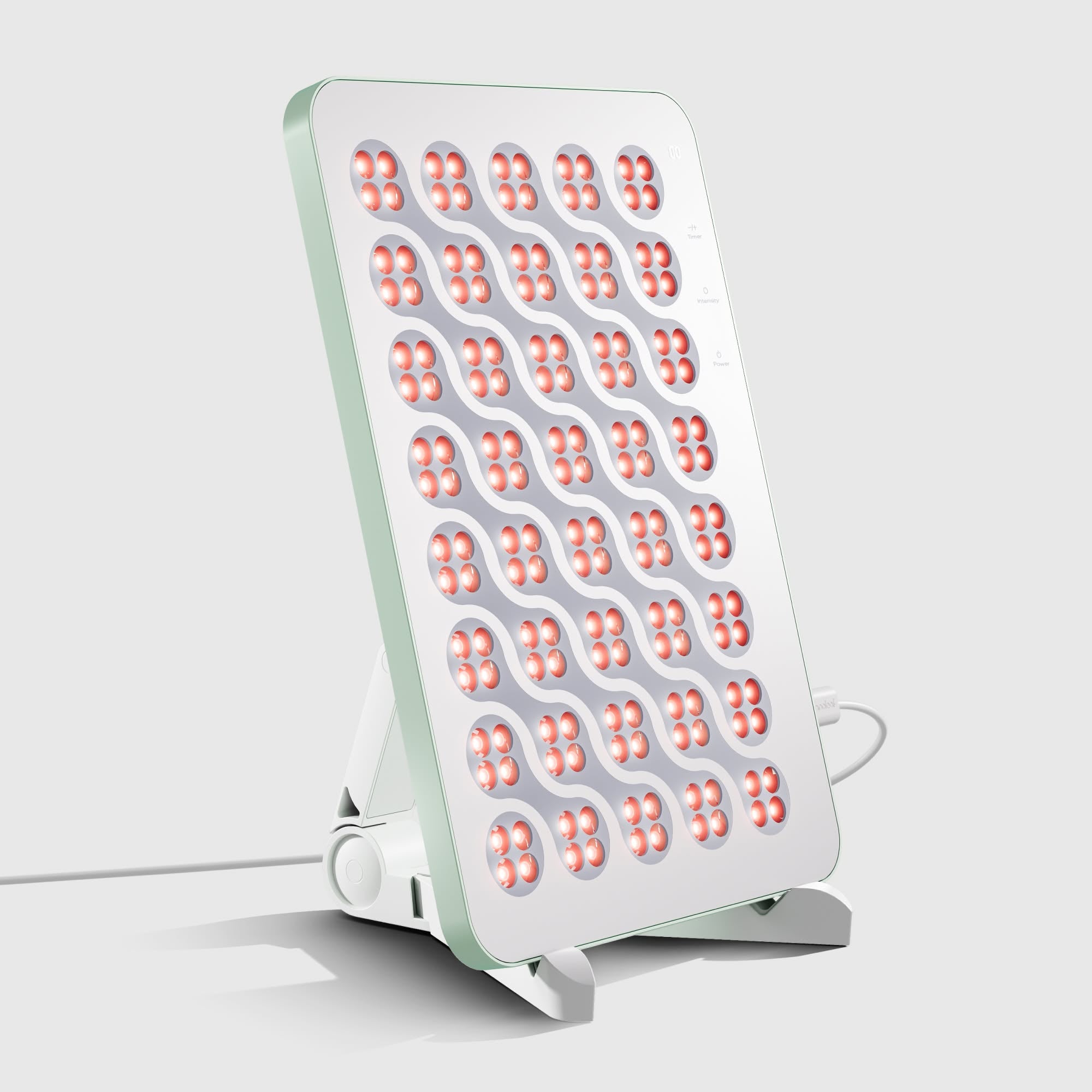
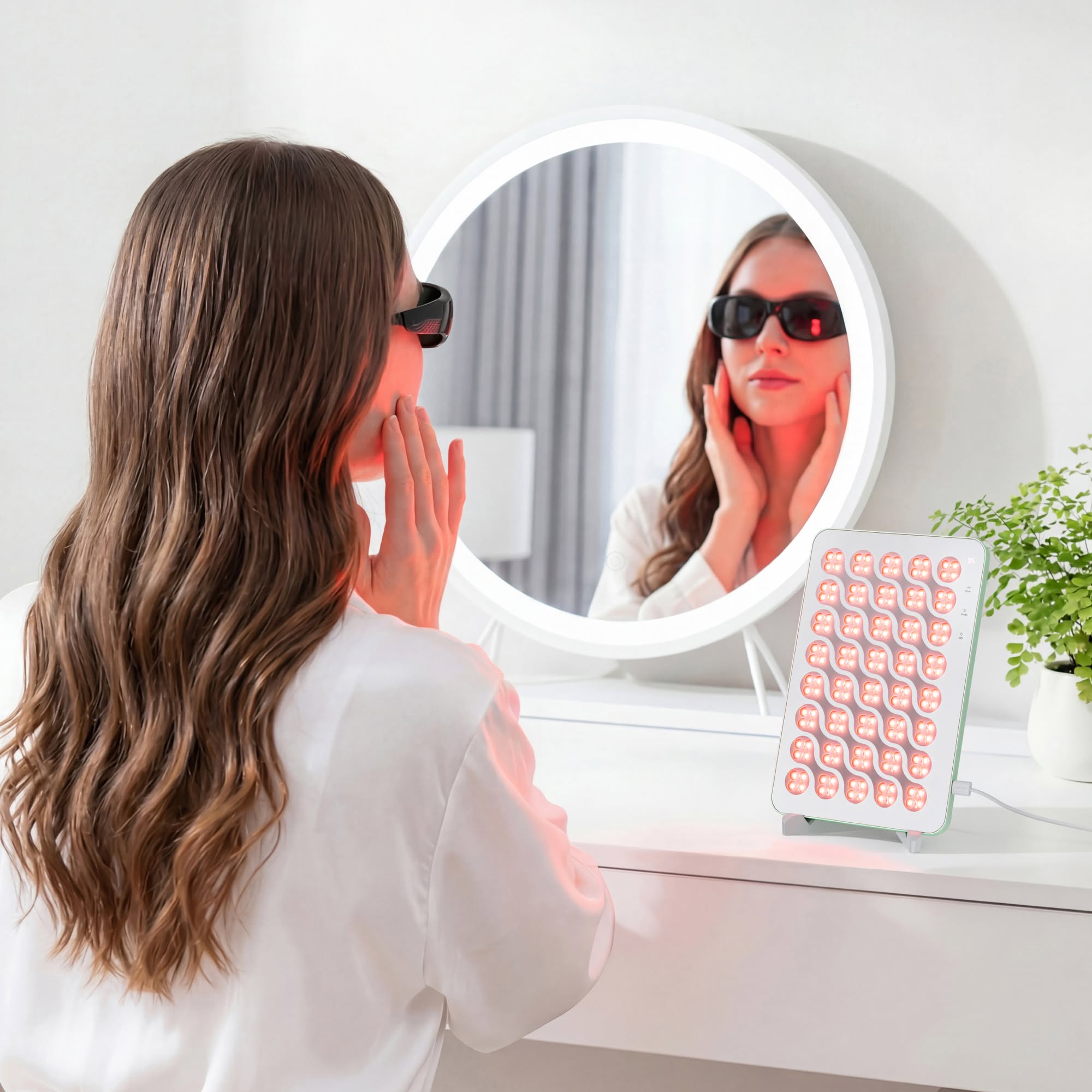
The Red Light Therapy Panel delivers red and near-infrared light for full-body skin and recovery treatment in 10 to 30 minute sessions. HSA and FSA eligible.
Explore the full Nanoleaf collection.
Frequently Asked Questions
What does red light therapy do for skin?
Red light at 630 to 660nm stimulates collagen and elastin production, reduces inflammation, and supports cellular repair. It is used for anti-aging, redness reduction, and post-procedure recovery.
What does blue light therapy do for acne?
Blue light at 415nm targets acne-causing bacteria by activating porphyrins that generate reactive oxygen species, destroying the bacterial cell without antibiotics or harsh topicals.
What does near-infrared light do?
Near-infrared light penetrates deeper than red light, reaching muscle tissue and the deeper dermis to support collagen production, cellular repair, and recovery from inflammation and exercise.
Can I use red and blue light together?
Yes. Many Nanoleaf devices combine multiple wavelengths in a single treatment mode for comprehensive results.
How often should I use light therapy?
Most protocols recommend daily or every-other-day sessions for the first 4 to 8 weeks, then maintenance sessions 2 to 3 times per week.
Are Nanoleaf devices safe for all skin tones?
Yes. Light therapy is safe for all skin tones. It does not use UV light and does not cause photosensitivity.
Tu ritual te espera
Keep reading
More from the journal
Rosewater Cream September 14, 2026
Why Rosewater Never Left My Routine
Read
sertodo September 1, 2026
How to Clean Copper: Caring for Your Copper Water Pitcher, Cups, and Cookware
Read
Wooden Spoon Herbs August 17, 2026