
Sertodo August 16, 2026
The Ancient Science of Copper Water: Why Storing Water in Copper Changes Everything

There is a reason copper vessels have been used to store water for over four thousand years. Long before filtration systems and alkaline water trends, ancient civilizations understood something quietly profound: the vessel matters as much as what is inside it.
What Is Copper-Charged Water?
Copper-charged water, sometimes called "tamra jal" in Ayurvedic tradition, is simply water that has been stored in a copper vessel for a minimum of six to eight hours. During that time, copper ions naturally leach into the water in trace amounts, a process that has been studied for its antimicrobial and purifying properties.
The oldest recorded use of copper for water purification comes from an ancient Egyptian medical text dating to approximately 2200 B.C., describing copper's ability to sterilize drinking water and treat wounds. Ayurvedic medicine, a tradition extending back more than four thousand years, prescribes a cup of water stored in a copper vessel first thing each morning to balance the body's energies, support digestion, and eliminate toxins.
This is not folklore. It is one of the oldest documented wellness practices in human history.
The Science Behind It: The Oligodynamic Effect
Copper is naturally antimicrobial, and the mechanism behind it has a name: the Oligodynamic Effect.
The term was coined in 1893 by Swiss botanist Karl Wilhelm von Nägeli, who observed that even trace concentrations of certain metals, copper among them, were lethal to microorganisms. "Oligodynamic" comes from the Greek: oligos, meaning small or few, and dynamis, meaning power. Small power. The idea that an almost imperceptible amount of a substance can have a profound biological effect.
Here is what actually happens. When copper comes into contact with water, it releases copper ions (Cu²⁺) into the liquid. These ions are toxic to bacteria, fungi, algae, and other microorganisms at concentrations that are completely safe for humans. The ions penetrate the cell membranes of microbes, disrupting their enzyme function and interfering with their ability to reproduce. The cell dies. The water is cleaner.
This is not a fringe theory. The U.S. Environmental Protection Agency (EPA) has registered copper as the first solid antimicrobial material, recognizing its ability to kill more than 99.9% of bacteria within two hours of contact. Hospitals have studied copper surfaces as a way to reduce healthcare-associated infections. The science is robust and ongoing.
What makes it remarkable in the context of copper water vessels is the elegance of it. No filters. No chemicals. No electricity. Just metal and time. The same mechanism that ancient Egyptians and Ayurvedic practitioners relied on, without knowing the chemistry, is the same one that modern microbiology has now documented in detail.
For copper-charged water specifically, research published in the Journal of Health, Population and Nutrition found that water stored in copper vessels for 16 hours at room temperature showed a significant reduction in Salmonella typhi, E. coli, and other harmful bacteria. The copper did not just slow bacterial growth. It eliminated it.
Beyond antimicrobial properties, copper plays a role in collagen synthesis, iron absorption, and the function of the immune system. Trace amounts of copper, as found in copper-charged water, are considered beneficial rather than harmful, provided the vessels are properly maintained.
How to Use a Copper Vessel for Water
The practice is simple. Fill a clean copper vessel with filtered water in the evening. Leave it at room temperature overnight, or for a minimum of six to eight hours. Drink a glass first thing in the morning, before coffee, before food, before anything else.
This is the Ayurvedic morning ritual at its most elemental: water, copper, intention.
A few care notes worth knowing. Copper vessels should be hand-washed with warm water and a soft sponge, then dried immediately with a cotton towel to prevent spotting. Avoid harsh detergents or steel wool. Over time, copper develops a natural patina, which is a sign of authenticity, not damage. To restore the shine, a simple paste of lemon and salt works beautifully.
Why We Carry the Niagara Copper Water Dispenser

When we were looking for a copper water vessel worthy of the M.S Skincare standard, Sertodo was the only answer. Founded in Austin, Texas in 1997, Sertodo handcrafts every piece in Santa Clara del Cobre, Michoacán, a town in Mexico with a copper-working tradition stretching back centuries.
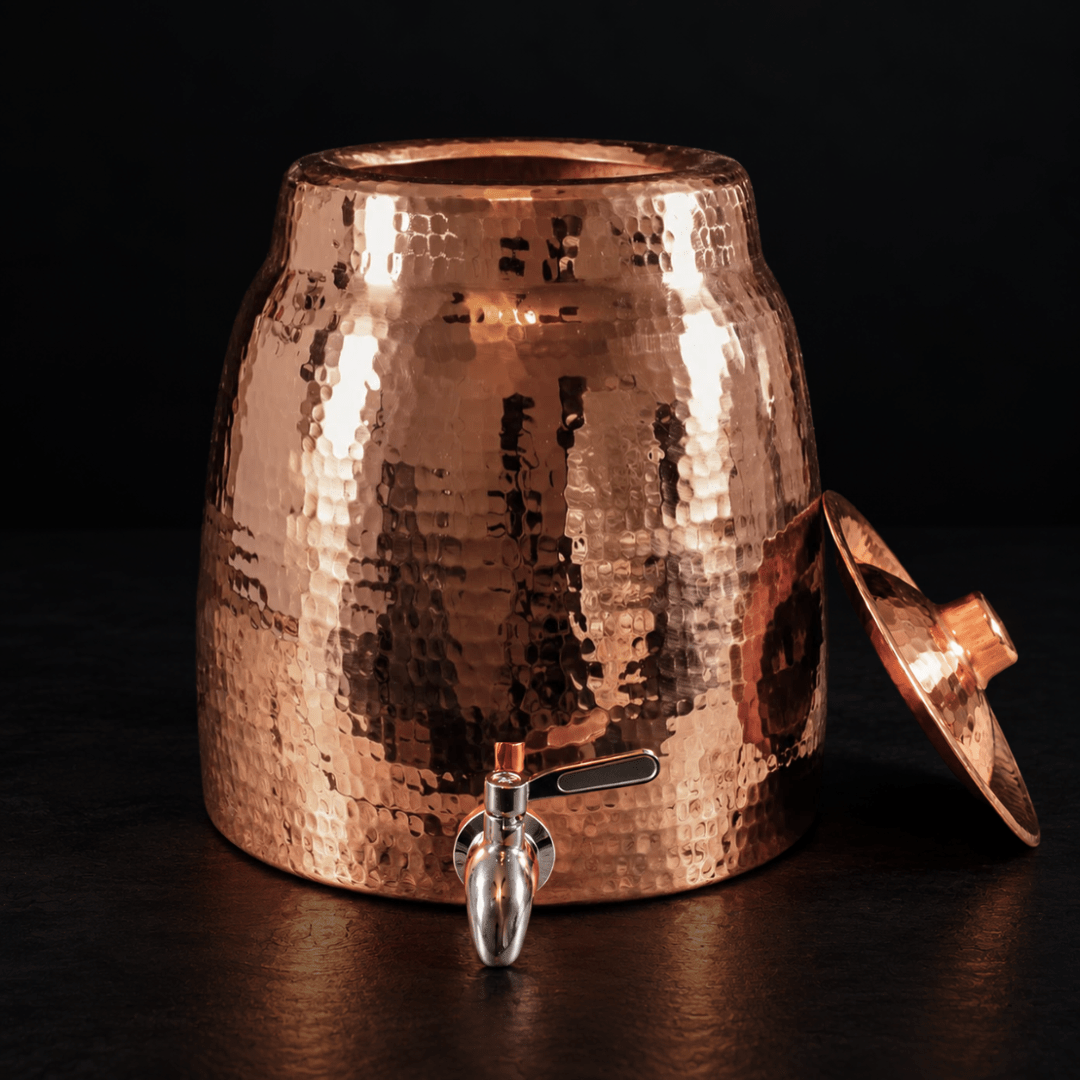
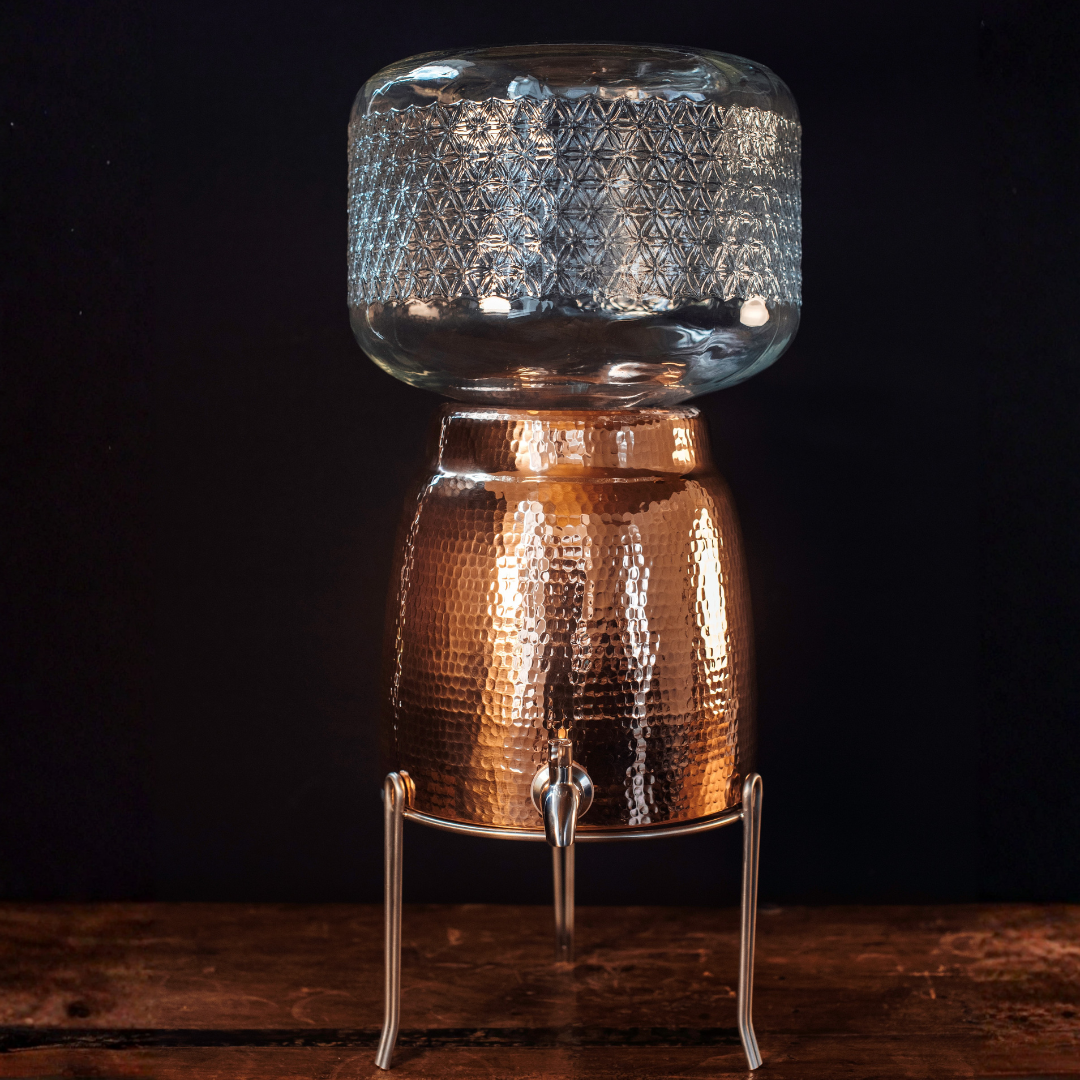
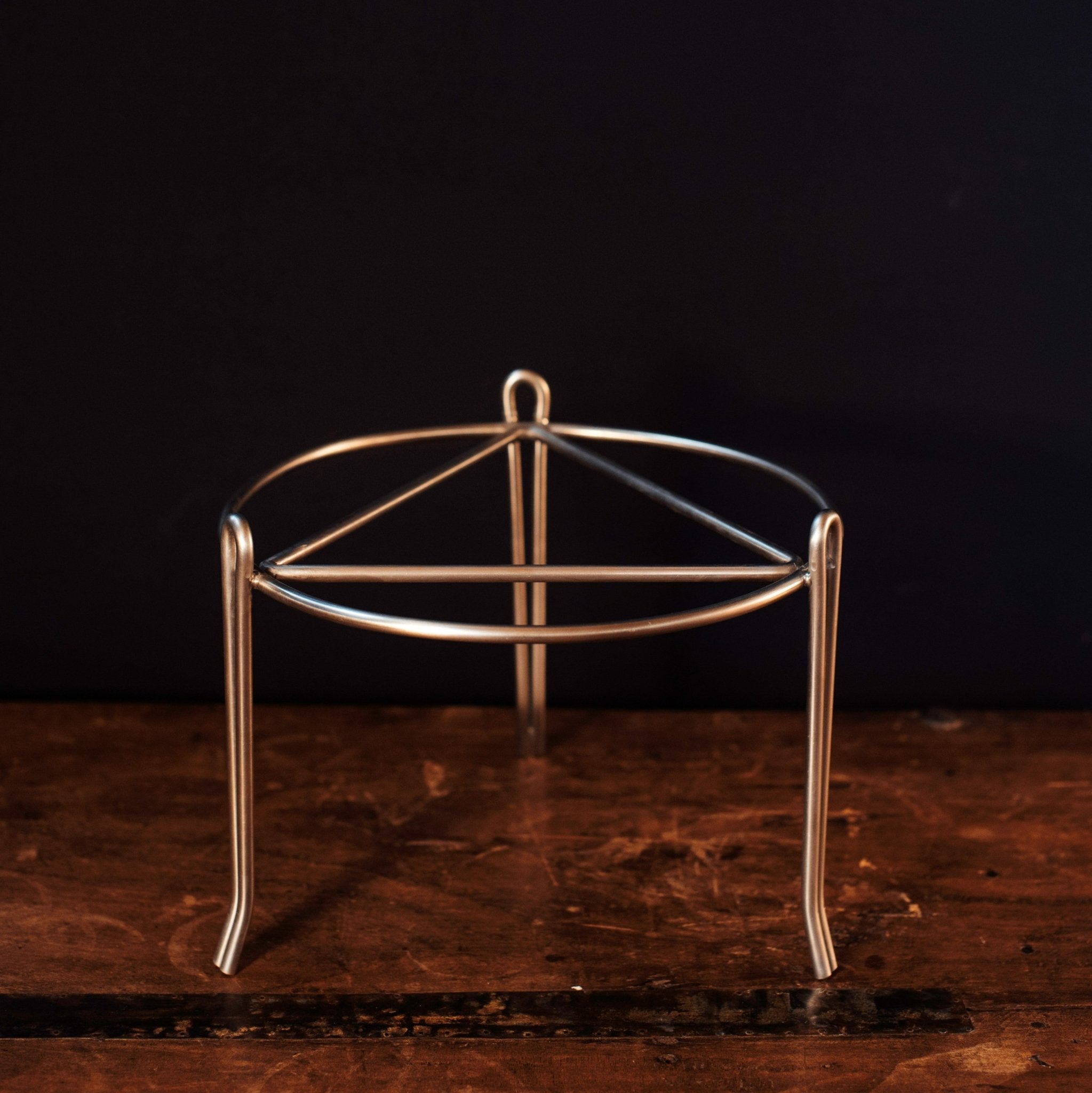
The Niagara Copper Water Dispenser with Lid holds two gallons, fits standard water cooler stands, and is built with a high-quality stainless steel spigot and inert silicone seals. No plastic. No leaking. Tig-welded for a completely seamless body. It is the kind of object that earns a permanent place on your counter, not because it is trendy, but because it is genuinely useful and genuinely beautiful.
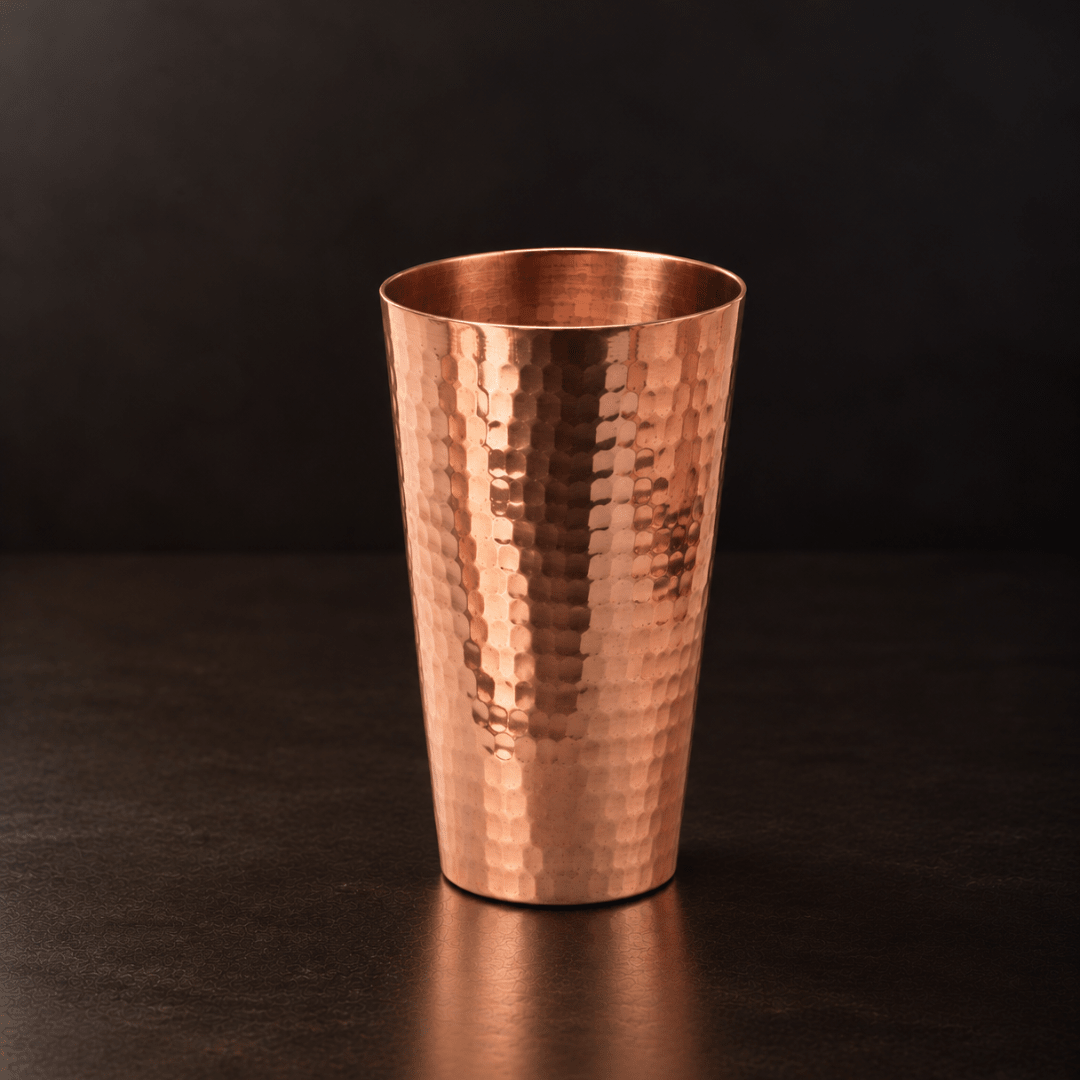
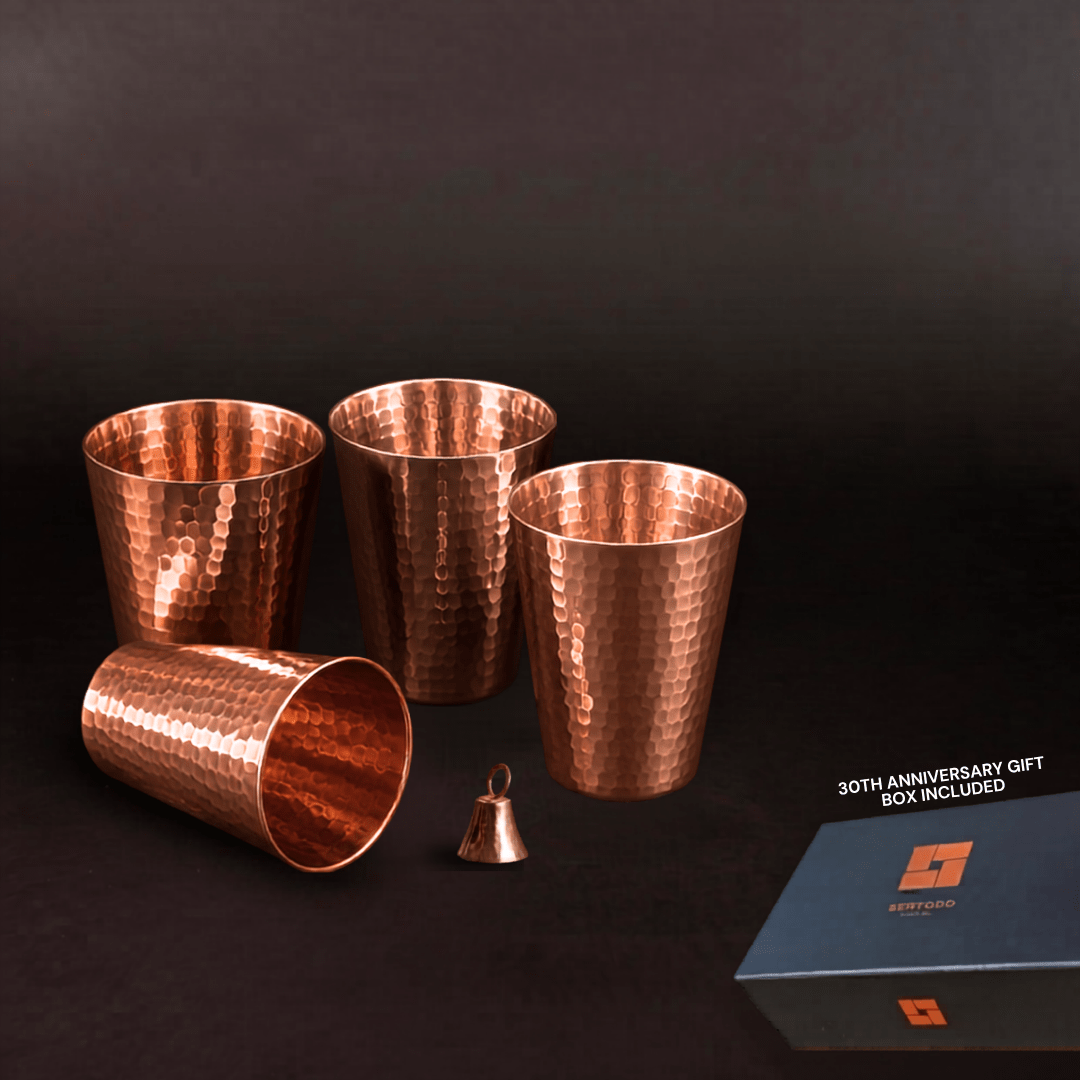
For individual use, the Just Right Copper Cup Set is where to start. Four hand-hammered 10-ounce copper cups, packaged in a commemorative gift box. The weight, the feel, the way copper keeps water cool: it changes the experience of drinking water in a way that is hard to explain until you try it.

The Ritual Is the Point
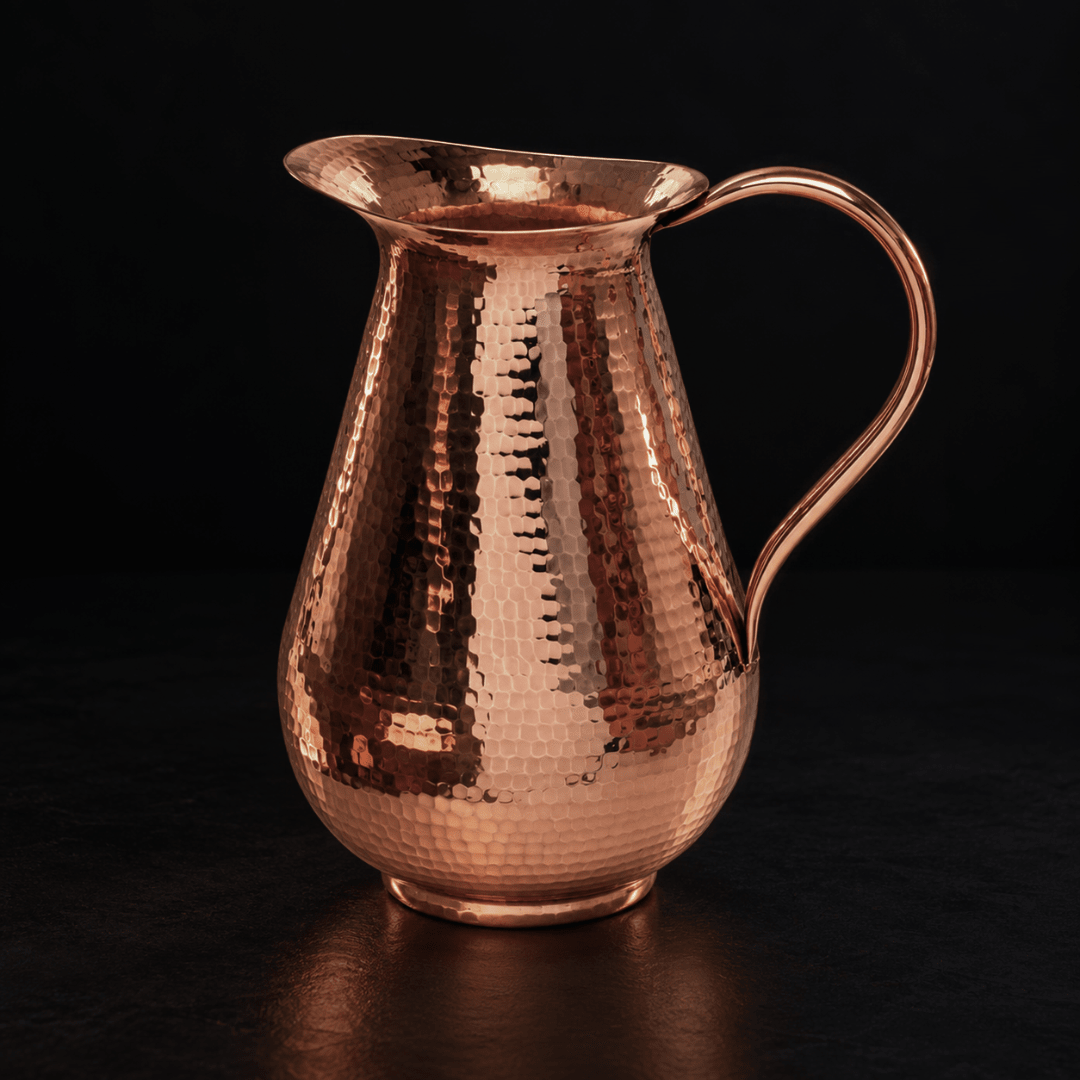
Wellness is not only about what you consume. It is about how you consume it. Pouring water from a copper dispenser into a copper cup in the morning is a small act of intention. It slows you down. It connects you to something older and quieter than the pace of modern life.
That is the kind of ritual M.S Skincare was built around.
Frequently Asked Questions
How long should water sit in a copper vessel before drinking?
A minimum of six to eight hours is recommended. Overnight storage is ideal.
Is it safe to drink copper-charged water every day?
Yes, in moderate amounts. The trace copper that leaches into water from a properly maintained vessel is within safe consumption levels. If you have concerns about copper sensitivity, consult your healthcare provider.
How do I clean a copper water vessel?
Hand-wash with warm water and a soft sponge. Dry immediately with a cotton towel. Avoid dishwashers, steel wool, and harsh detergents.
Does copper water taste different?
Many people notice a slightly mineral quality, particularly at first. Most find the taste pleasant and clean once they adjust.
What is the Oligodynamic Effect?
It is the scientifically documented ability of certain metals, including copper, to destroy or inhibit the growth of microorganisms through the release of metal ions. The EPA has registered copper as the first solid antimicrobial material, and peer-reviewed research has confirmed its effectiveness against harmful bacteria including E. coli and Salmonella.
Tu ritual te espera

Keep reading
More from the journal
Rosewater Cream September 14, 2026
Why Rosewater Never Left My Routine
Read
sertodo September 1, 2026
How to Clean Copper: Caring for Your Copper Water Pitcher, Cups, and Cookware
Read
Wooden Spoon Herbs August 17, 2026