
BioLight August 16, 2026
What Is Methylene Blue? The Ingredient Behind BioLight's Skincare
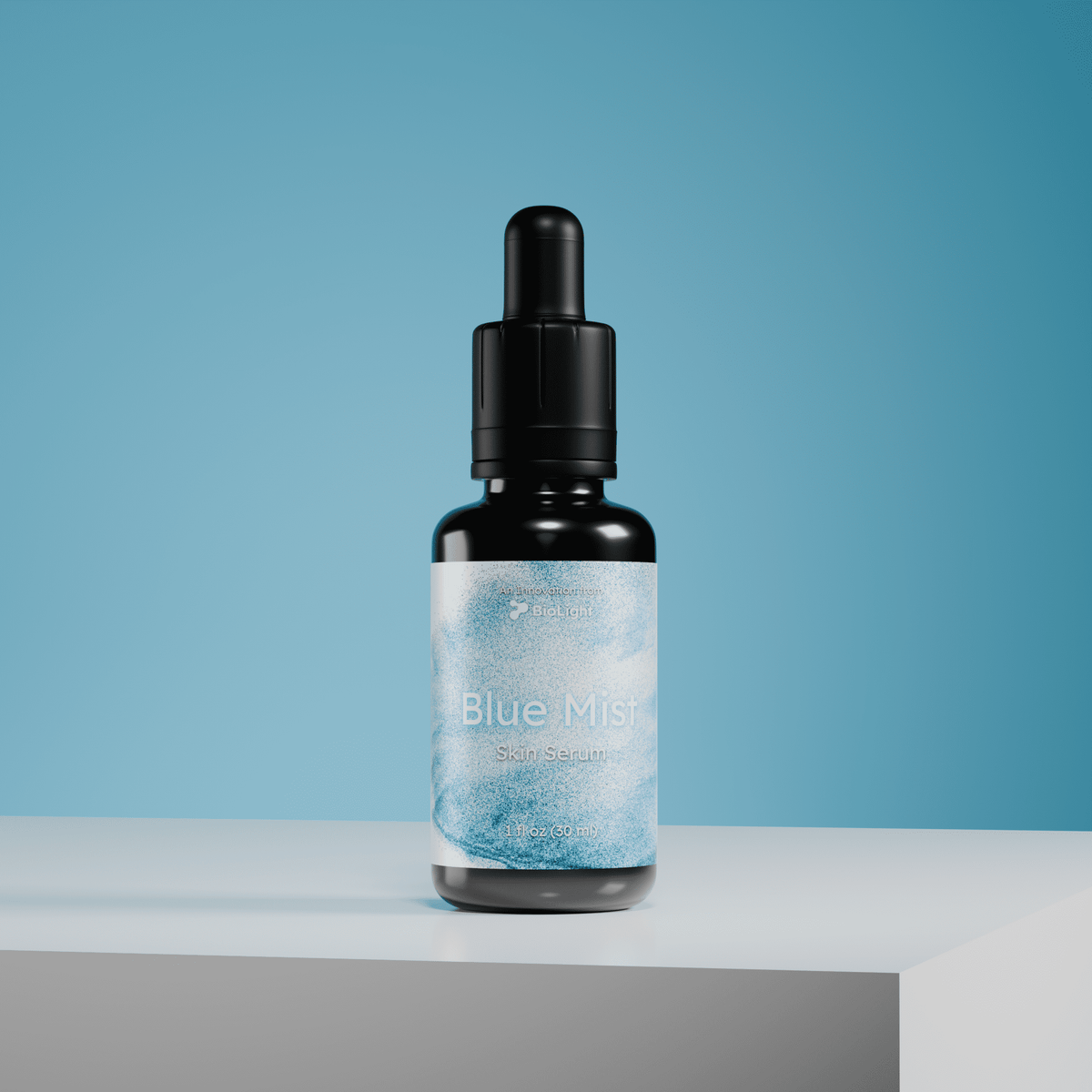
Methylene blue has been used in medicine for over a century. It was the first synthetic drug ever used in clinical practice, developed in the 1880s and used for everything from malaria treatment to antidote therapy. What the research has more recently revealed is its effect on mitochondria, the energy-producing structures inside every cell, and what that means for how skin ages.
BioLight built their skincare range around this insight. The brand sits at the intersection of beauty and bioenergetics, and methylene blue is the ingredient that most clearly expresses that position.
What Methylene Blue Does
Methylene blue works as an electron cycler in the mitochondrial electron transport chain. In simpler terms: it helps mitochondria produce energy more efficiently. As cells age, mitochondrial function declines, energy production drops, and the downstream effects show up in the skin as reduced collagen synthesis, slower repair, and the visible signs of aging.
Research has shown that methylene blue can extend the lifespan of human skin cells in culture, increase collagen and elastin production, and reduce oxidative stress. It is one of the few compounds with direct evidence of effect at the mitochondrial level in skin tissue.
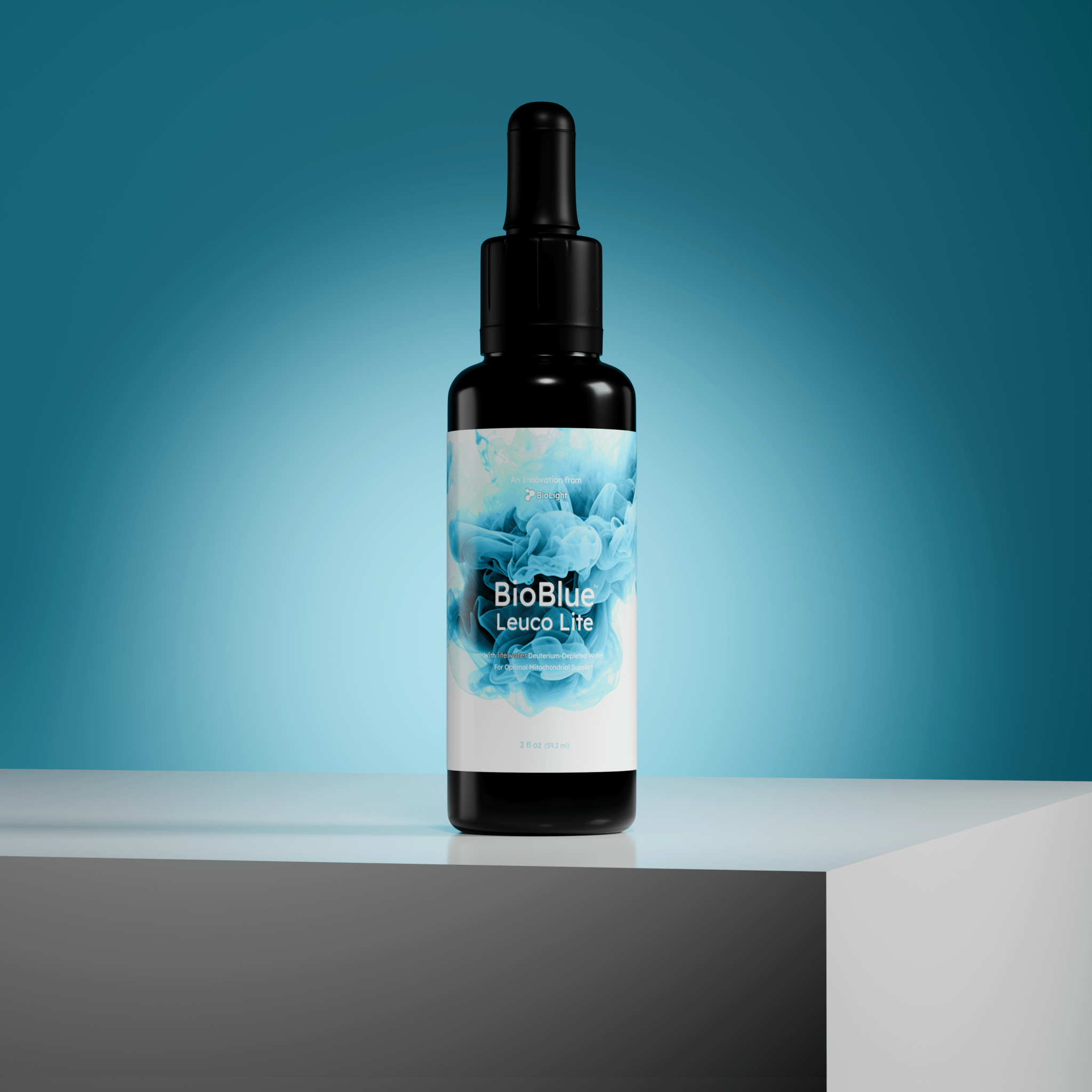
BioLight also uses leucomethylene blue, a stabilized, reduced form of methylene blue that is gentler on the skin while retaining its mitochondrial support properties. It is the form used in their BioCream for daily topical application.
The BioLight Methylene Blue Range

The Blue Mist Facial Serum combines methylene blue with hyaluronic acid, glutathione, EGCG, and fulvic acid, crafted in deuterium-depleted LiteWater. A daily serum that delivers mitochondrial support alongside deep hydration and antioxidant protection.

The BioCream uses leucomethylene blue in a 100% organic base with botanic ingredients for full spectrum protection. The stabilized form makes it suitable for daily use without the sensitivity concerns associated with standard methylene blue at higher concentrations.

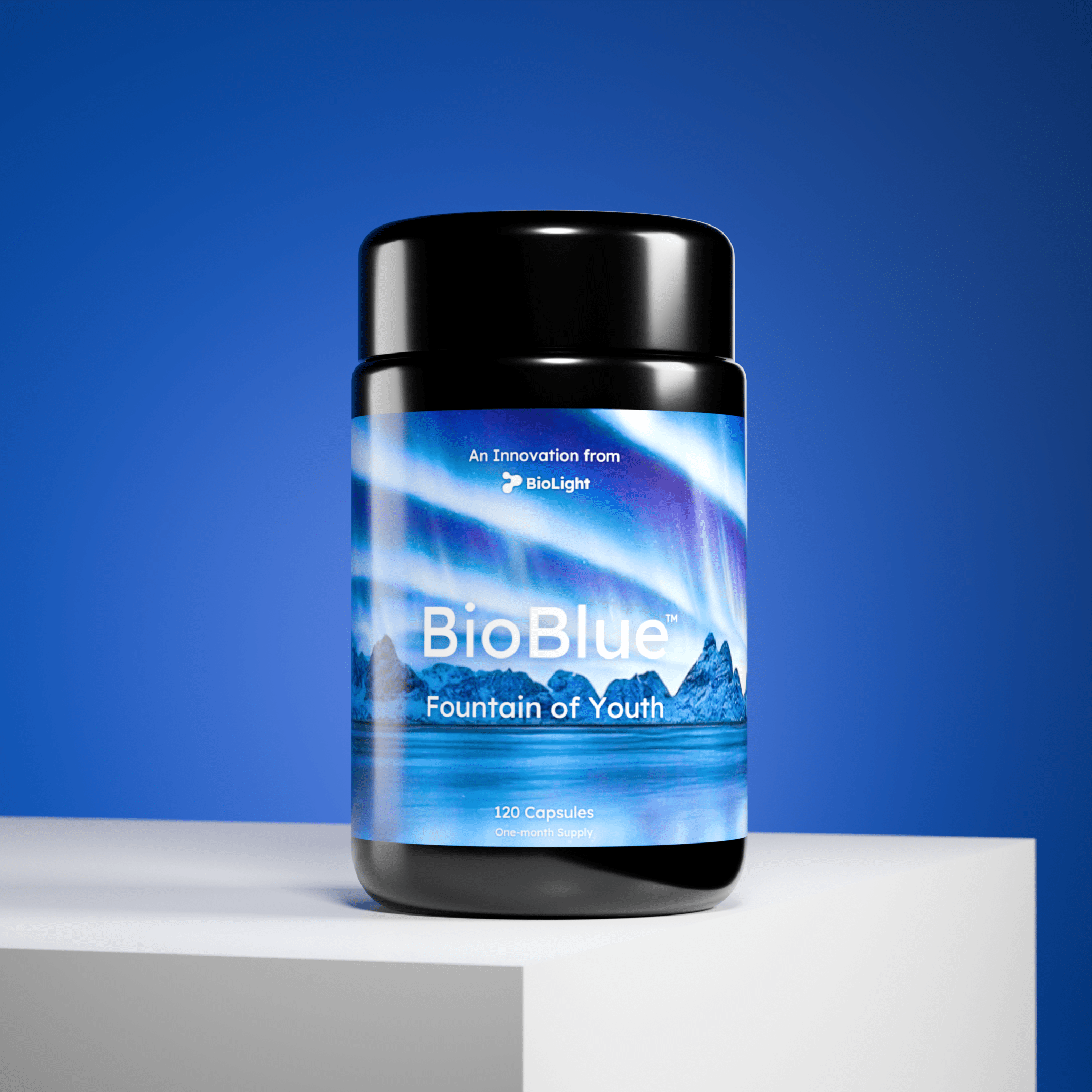
The Fountain of Youth Capsules bring methylene blue into supplement form, combined with medicinal mushrooms for mitochondrial support and cellular energy. Formulated to work synergistically with red light therapy, amplifying the cellular response to light treatment.
Explore the full BioLight collection.
Frequently Asked Questions
What is methylene blue?
Methylene blue is a compound with over a century of clinical use, now studied for its effects on mitochondrial function and cellular aging. It works as an electron cycler in the mitochondrial energy production chain, helping cells produce energy more efficiently.
Is methylene blue safe for skin?
Yes, at the concentrations used in topical skincare. BioLight also uses leucomethylene blue, a stabilized form that is gentler on the skin while retaining its mitochondrial support properties.
What is leucomethylene blue?
A stabilized, reduced form of methylene blue used in BioLight's BioCream. It is gentler on the skin than standard methylene blue while retaining its mitochondrial support properties, making it suitable for daily topical use.
How does methylene blue affect skin aging?
Research has shown that methylene blue can extend the lifespan of human skin cells, increase collagen and elastin production, and reduce oxidative stress, all by supporting mitochondrial energy production at the cellular level.
Does methylene blue work with red light therapy?
Yes. BioLight's Fountain of Youth Capsules are specifically formulated to work synergistically with red light therapy, enhancing the cellular response to light treatment.
What is LiteWater?
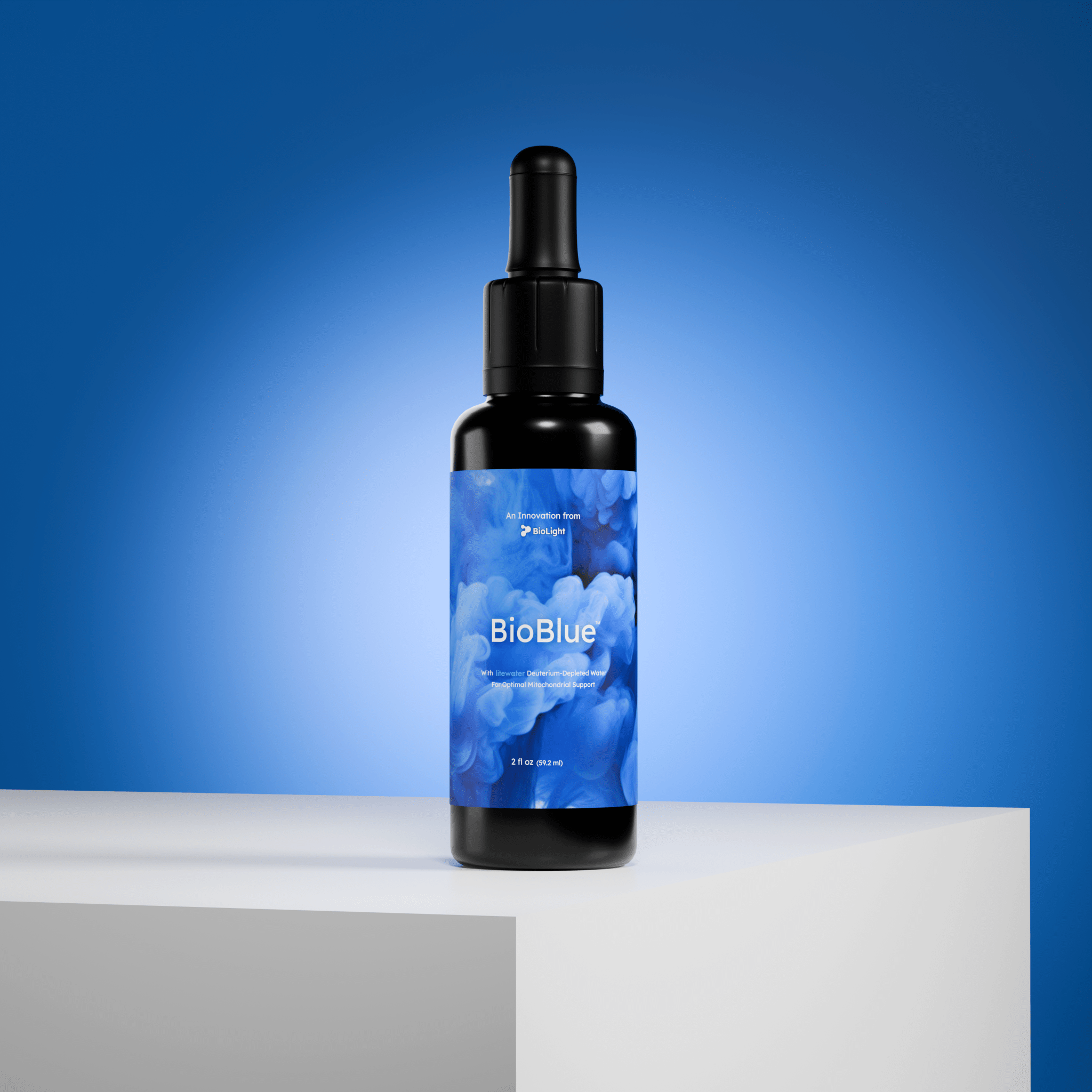
Deuterium-depleted water used as the base for several BioLight formulas. Deuterium depletion is associated with improved mitochondrial function and cellular energy production.
Tu ritual te espera








Keep reading
More from the journal
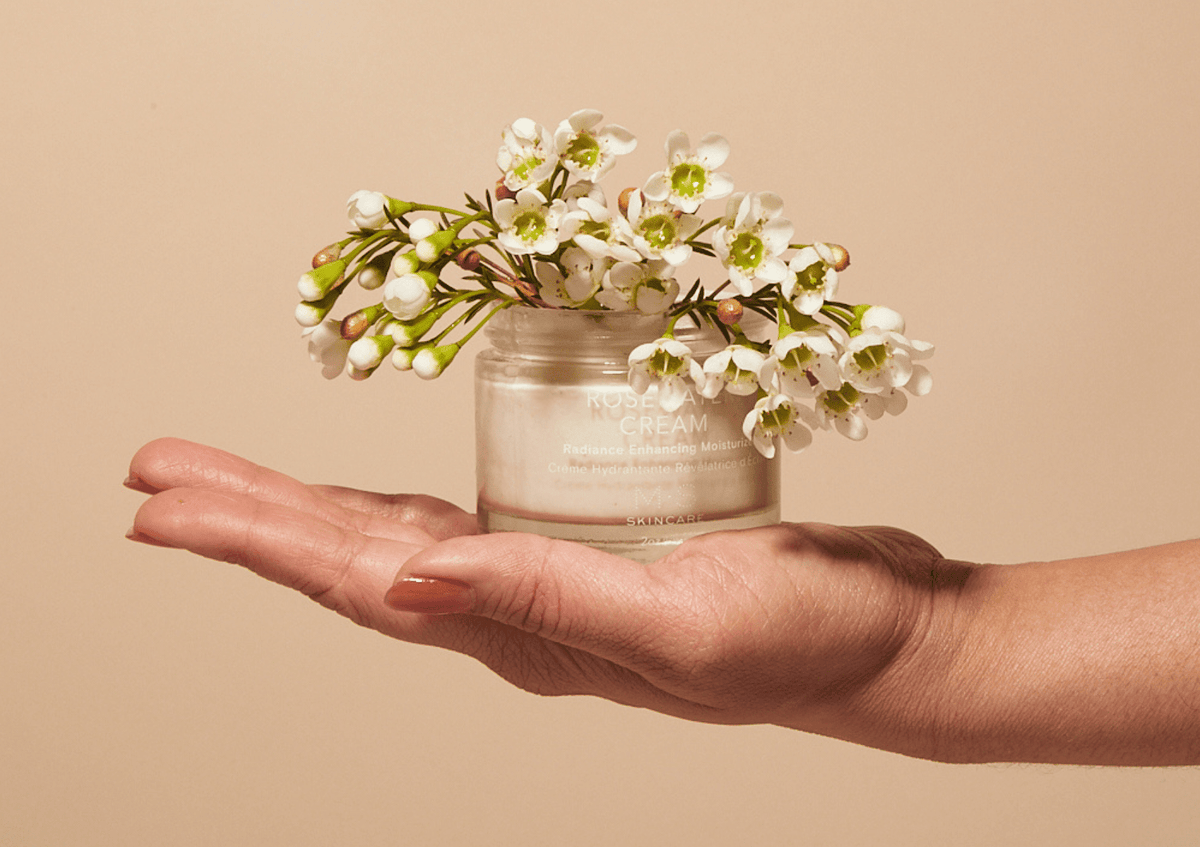
Rosewater Cream September 14, 2026
Why Rosewater Never Left My Routine
Read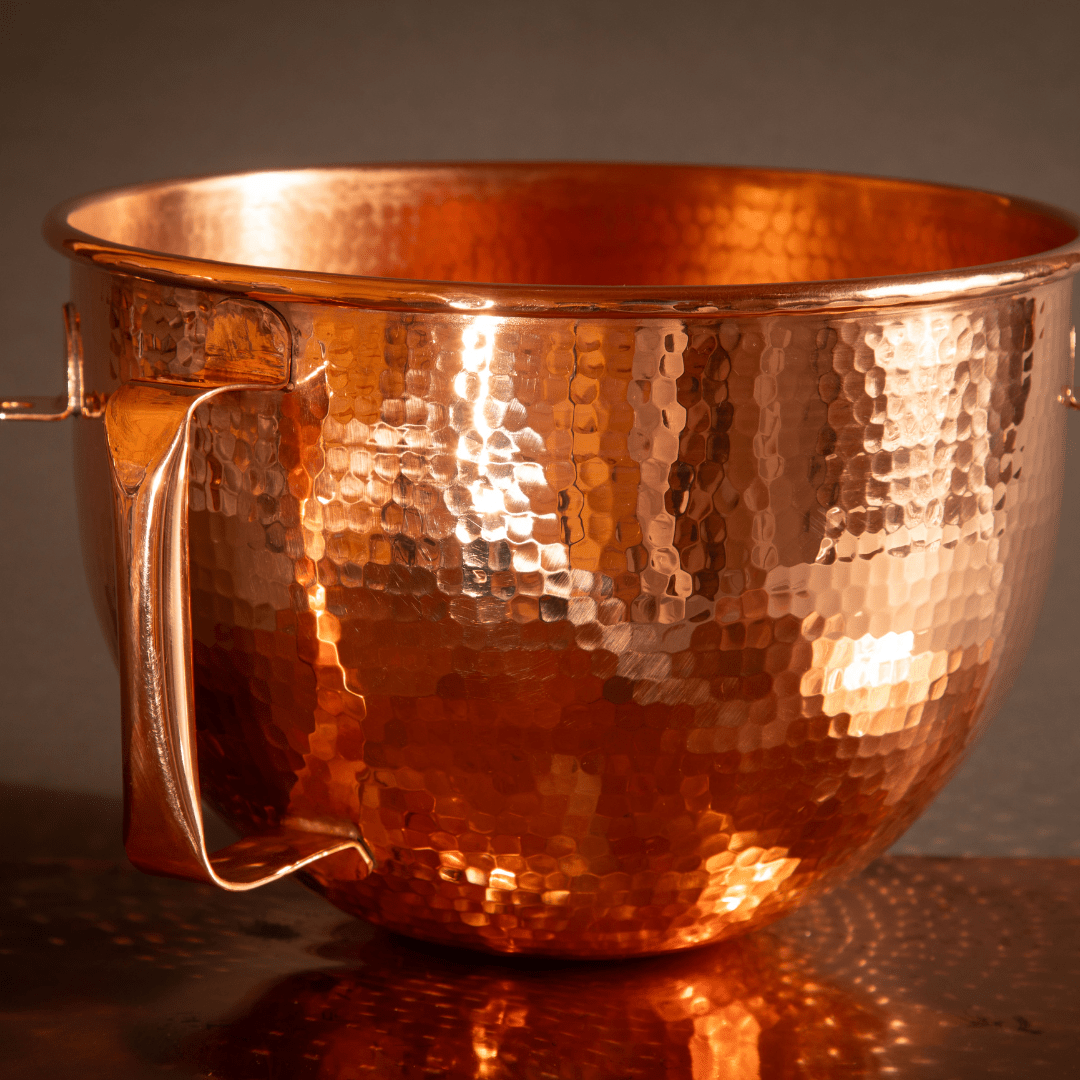
sertodo September 1, 2026
How to Clean Copper: Caring for Your Copper Water Pitcher, Cups, and Cookware
Read
Wooden Spoon Herbs August 17, 2026