Why Pure Rose Hydrosol Is the Toner Your Skin Actually Needs
Most toners are an afterthought. A quick swipe of something watery between cleanser and moisturizer, often loaded with alcohol, synthetic fragrance, or ingredients that do more harm than good. Rose hydrosol is different. It is one of the oldest and most studied botanical waters in the world, and when it is pure, it genuinely transforms how your skin feels and functions.
What Is Rose Hydrosol?
Rose hydrosol, also called rose water or rose floral water, is the pure water byproduct of steam-distilling rose petals. Unlike diluted rosewater, which is simply water with rose extract added, true hydrosol contains the water-soluble aromatic compounds of the rose itself. It is gentle, bioactive, and deeply nourishing.
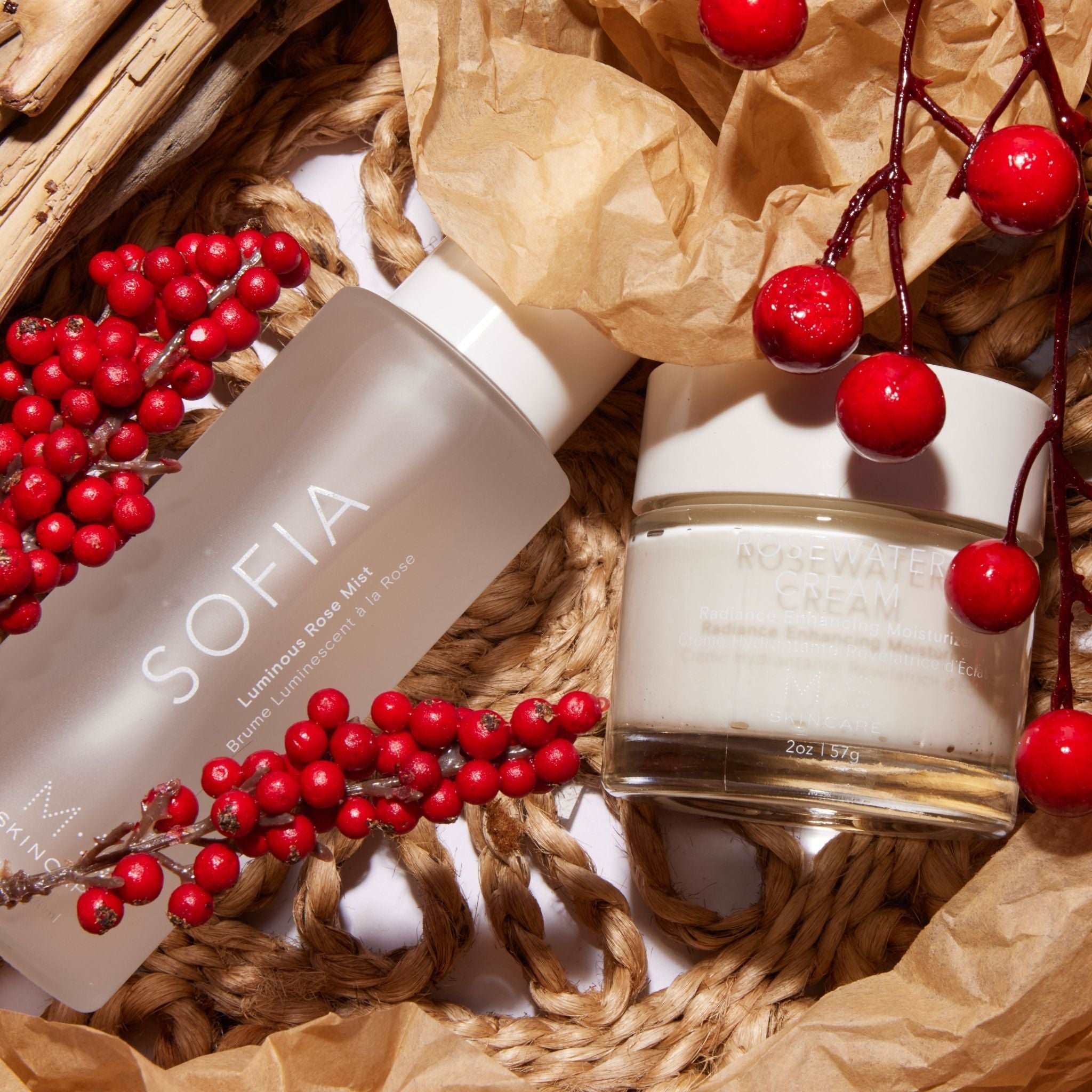
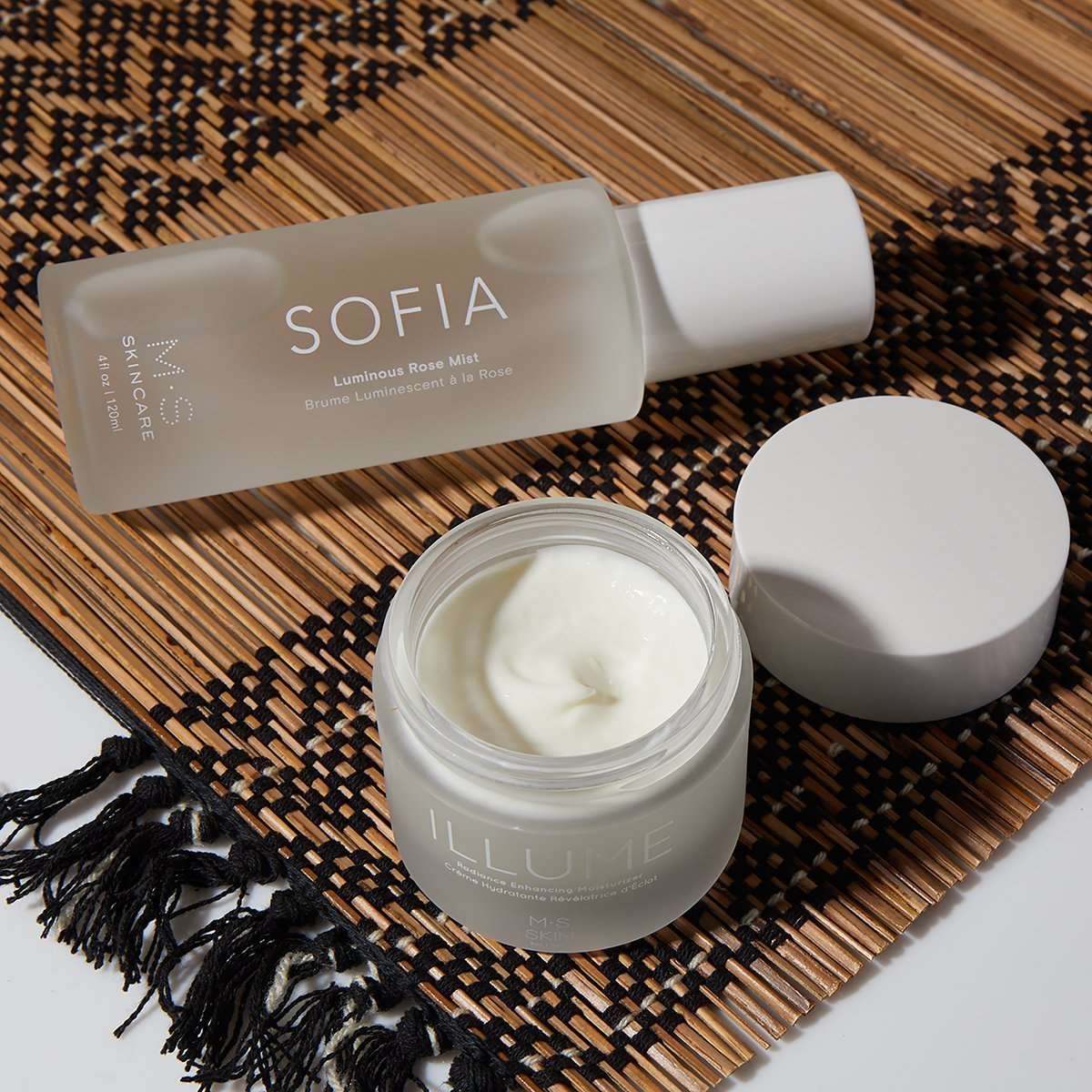
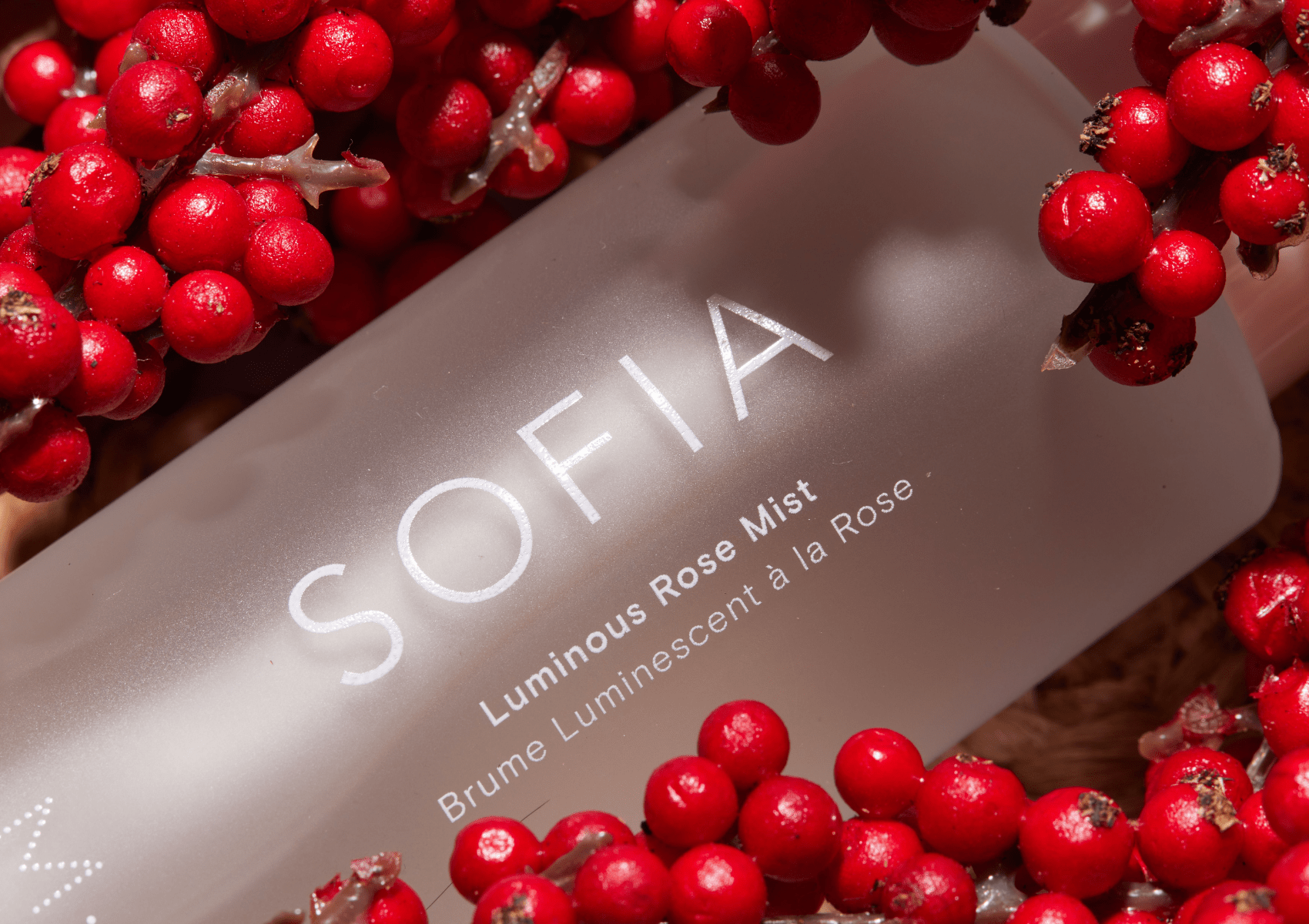
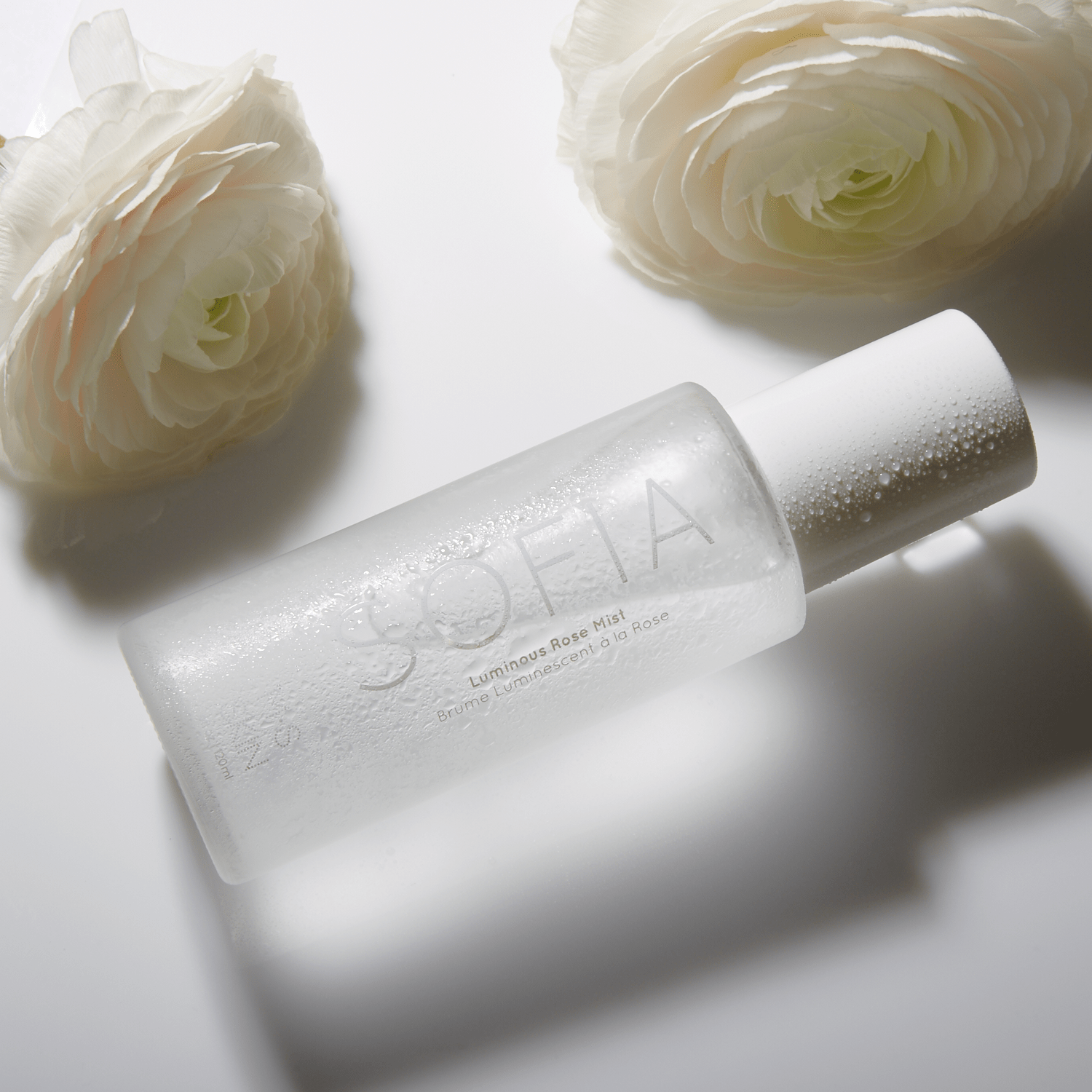
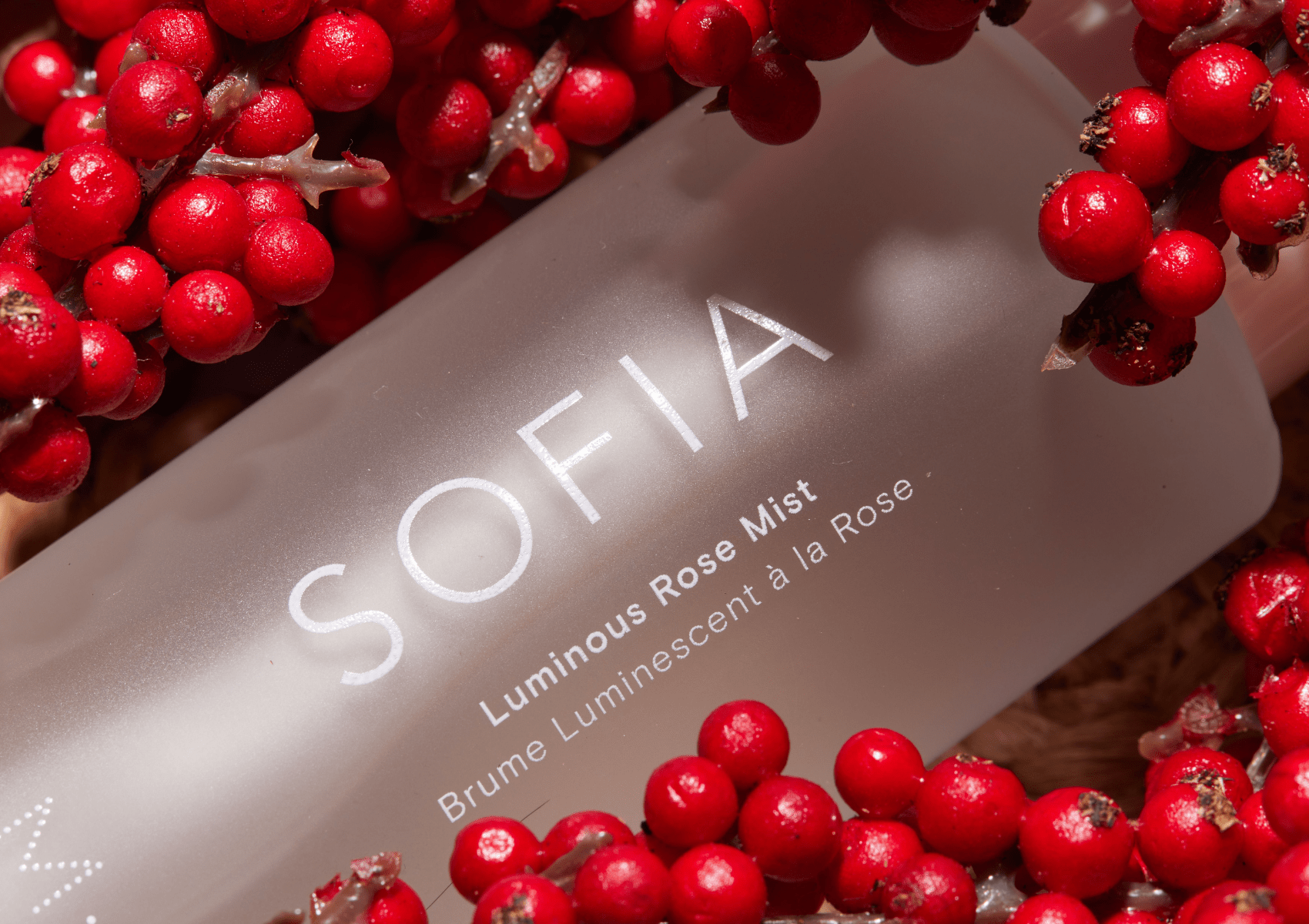
Our Sofia Rosewater Mist is made with organic Rosa damascena hydrosol sourced from the rose valley just outside Sofia, Bulgaria, one of the most prized rose-growing regions in the world. It is steam-distilled, not diluted, and blended with rose geranium and rose otto essential oils for a mist that is as sensory as it is functional.
What Rose Hydrosol Does for Skin
Pure rose hydrosol is one of the few botanicals that works across every skin type and every step of a skincare routine. Here is what consistent use delivers:
- Tones and balances skin pH after cleansing
- Hydrates and plumps the skin barrier
- Supports collagen production over time
- Soothes redness, sensitivity, and inflammation
- Preps skin to absorb serums and moisturizers more deeply
- Refreshes and revives skin mid-day without disrupting makeup
Who Is Sofia For?
Sofia works for all skin types, including sensitive and reactive skin. It is particularly beneficial for skin that feels tight after cleansing, shows redness or irritation, or needs a hydration boost between steps. It is also a beautiful mid-day refresh for anyone who spends time in air-conditioned or heated environments.
How to Use It
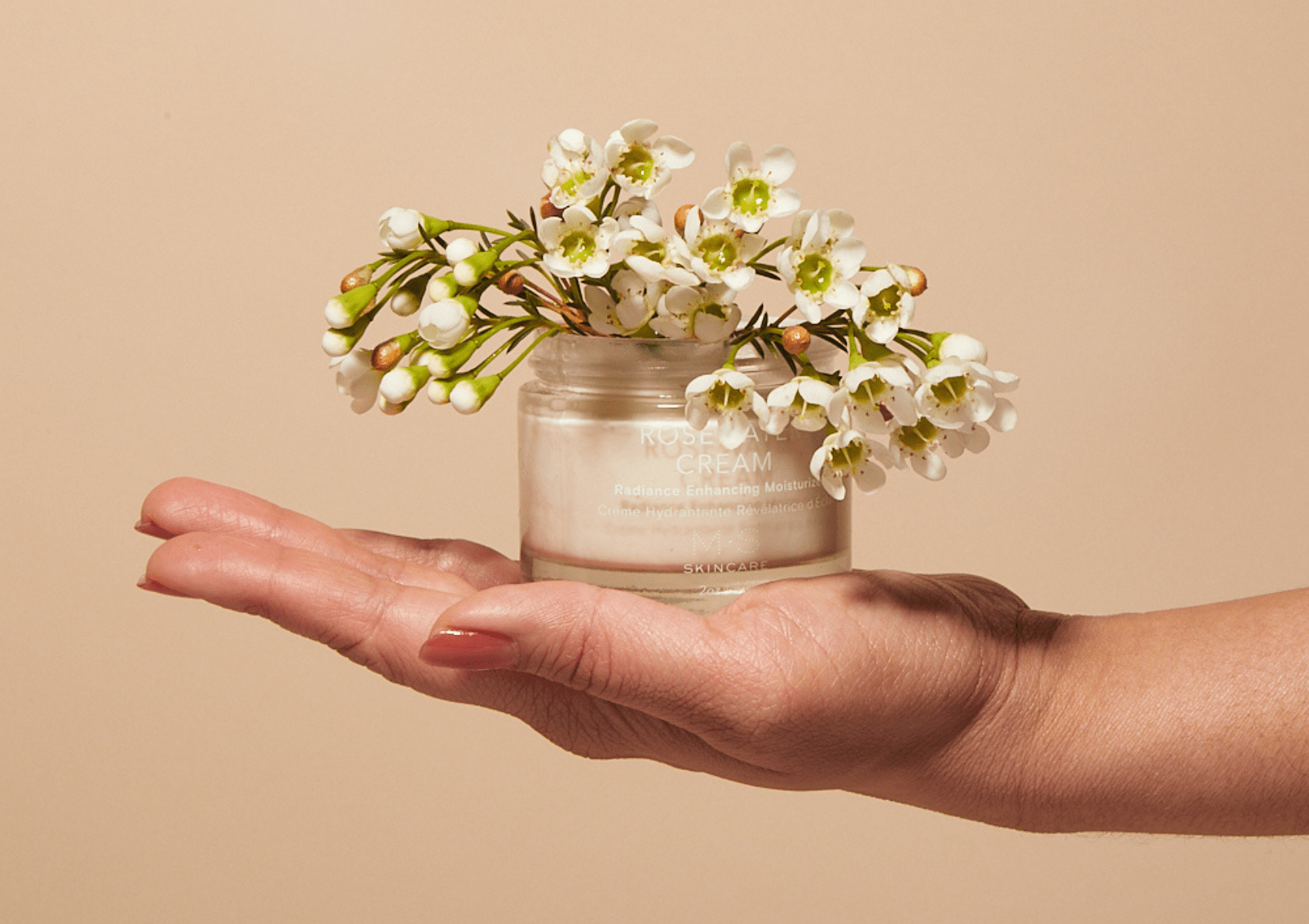
Mist onto clean skin after cleansing and before applying serums or moisturizer. Hold the bottle 8 to 10 inches from your face and mist evenly. Pat gently to press the hydrosol into skin rather than letting it evaporate. For best results, follow immediately with the Rosewater Cream while skin is still damp. Together they form the Royal Rose Duo, a complete rose ritual for radiant, deeply hydrated skin.

The Ritual
In Ayurveda, rose is considered a cooling, heart-opening botanical. It calms the nervous system, soothes pitta imbalances, and brings a sense of softness and clarity. Misting your face with pure rose hydrosol is one of the simplest ways to bring that quality of attention into your daily routine. It takes three seconds and changes how the rest of your skincare performs.
Frequently Asked Questions
What is the difference between rose water and rose hydrosol?
Rose hydrosol is the pure water byproduct of steam-distilling rose petals. It contains the actual water-soluble compounds of the rose. Rosewater is often just water with rose extract or fragrance added. Sofia uses pure Rosa damascena hydrosol, not diluted rosewater.
Is rose hydrosol good for sensitive skin?
Yes. Pure rose hydrosol is naturally anti-inflammatory and soothing. It is free from synthetic fragrance and alcohol, making it one of the gentlest toners available for sensitive or reactive skin.
Can I use rose mist over makeup?
Yes. Sofia can be misted lightly over makeup to refresh and hydrate throughout the day without disrupting coverage.
Does rose hydrosol help with collagen?
Rose contains antioxidants and compounds that support collagen synthesis over time. Consistent use as part of a daily routine contributes to firmer, more resilient skin.
How do I use a rose mist in my skincare routine?
Apply after cleansing and before serums or moisturizer. Mist from 8 to 10 inches away, then pat gently into skin. Follow immediately with moisturizer while skin is still damp for deeper absorption.