
Why Menopause Disrupts Sleep and What Actually Helps
If you are in perimenopause or menopause and your sleep has fallen apart, you are not imagining it and you are not alone. Sleep disruption is one of the most common symptoms of hormonal transition, affecting up to 60 percent of perimenopausal women and up to 85 percent of postmenopausal women. And yet it is one of the least addressed.
Most sleep advice was not written with hormonal sleep disruption in mind. The standard recommendations, consistent bedtime, no caffeine, limit screens, are not wrong, but they are incomplete. To actually fix sleep during menopause, you need to understand what is driving the disruption at a hormonal level.
What menopause does to sleep
Estrogen decline
Estrogen plays a direct role in sleep regulation. It supports serotonin production, which is a precursor to melatonin. It also helps maintain body temperature stability and reduces the frequency of nighttime waking. As estrogen declines during perimenopause, all of these functions are compromised simultaneously.
Hot flashes and night sweats
Hot flashes are caused by the hypothalamus, the brain's thermostat, becoming hypersensitive to small changes in core body temperature. During sleep, a hot flash triggers a cascade: core temperature spikes, the body sweats to cool down, and the nervous system activates. The result is a partial or full awakening, often without the person realizing what caused it. Women can experience multiple hot flashes per night, each one fragmenting sleep architecture.
Cortisol dysregulation
Progesterone, which also declines during perimenopause, has a calming, GABA-like effect on the nervous system. As progesterone drops, cortisol becomes relatively more dominant, particularly in the early morning hours. This is why many perimenopausal women wake between 3am and 5am and cannot fall back asleep: cortisol is rising earlier than it should.
Anxiety and racing thoughts
The hormonal shifts of perimenopause directly affect neurotransmitter balance, including serotonin, dopamine, and GABA. This can manifest as new or worsened anxiety, particularly at night, making it harder to fall asleep and easier to catastrophize when waking.
What actually helps
Temperature regulation
Managing core body temperature is the single most impactful intervention for hot-flash-related sleep disruption. This means a cool bedroom (65 to 68 degrees Fahrenheit), temperature-regulating bedding, and avoiding alcohol and spicy food in the evening, both of which dilate blood vessels and trigger hot flashes.
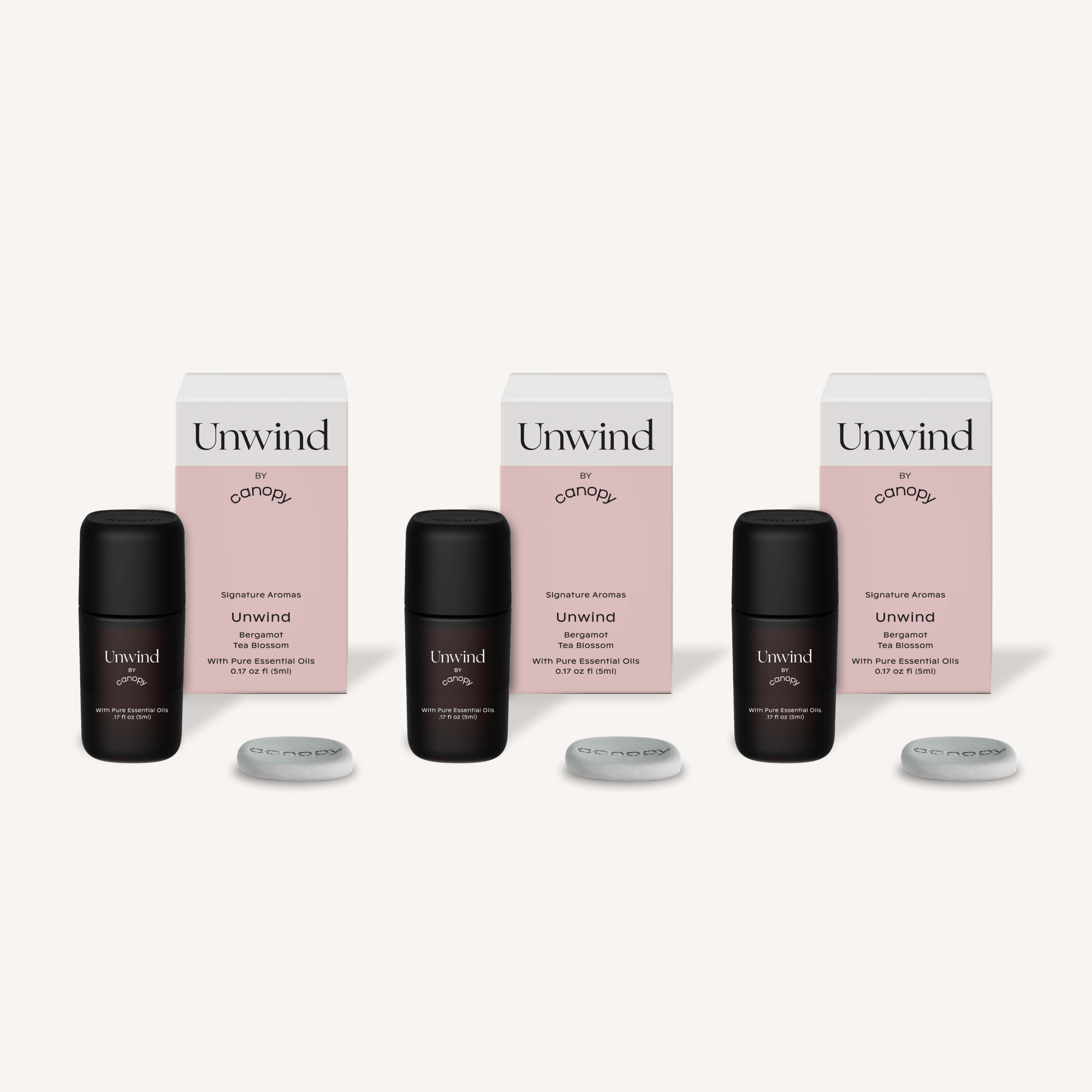
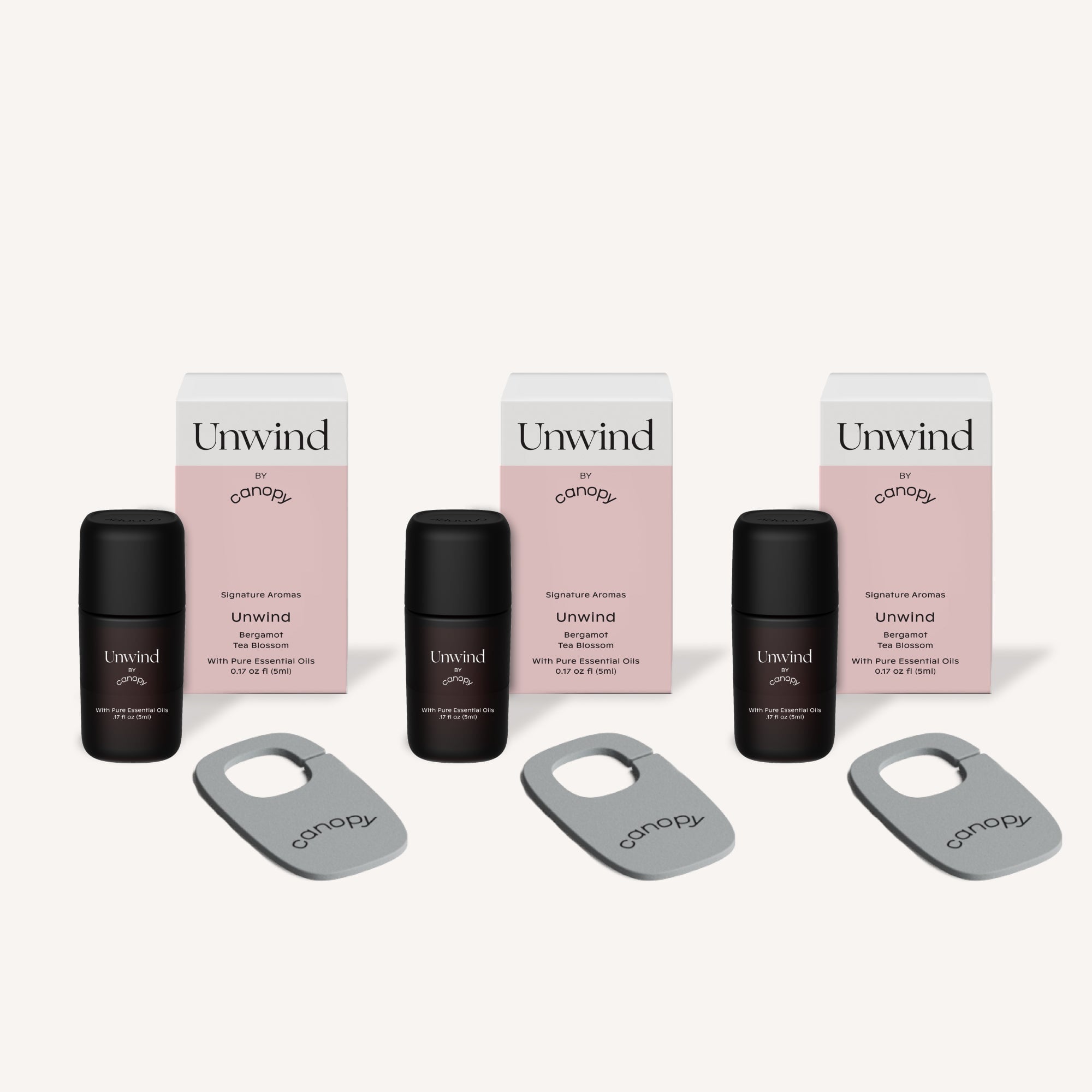
Surya's Ayurvedic formulas are specifically designed for cooling and hormonal balance. The Cooling Bath Soak and Hormone Soothing Bath Soak both address the thermal dysregulation that drives nighttime waking.

Surya Cooling Bath Soak is formulated with cooling Ayurvedic botanicals to reduce heat in the body and calm the nervous system before bed.
Cortisol and nervous system support
Adaptogens that regulate the HPA axis, the system that controls cortisol production, are among the most effective tools for hormonal sleep disruption. Ashwagandha reduces cortisol and has been shown in clinical studies to improve sleep quality in perimenopausal women specifically. Magnesium supports GABA activity and nervous system regulation. CBD and CBN together reduce nighttime waking and extend sleep duration.

Foria Sleep Capsules combine CBD, CBN, and calming botanicals in a formula that addresses both sleep onset and nighttime waking. Particularly effective for the early-morning cortisol waking pattern common in perimenopause.

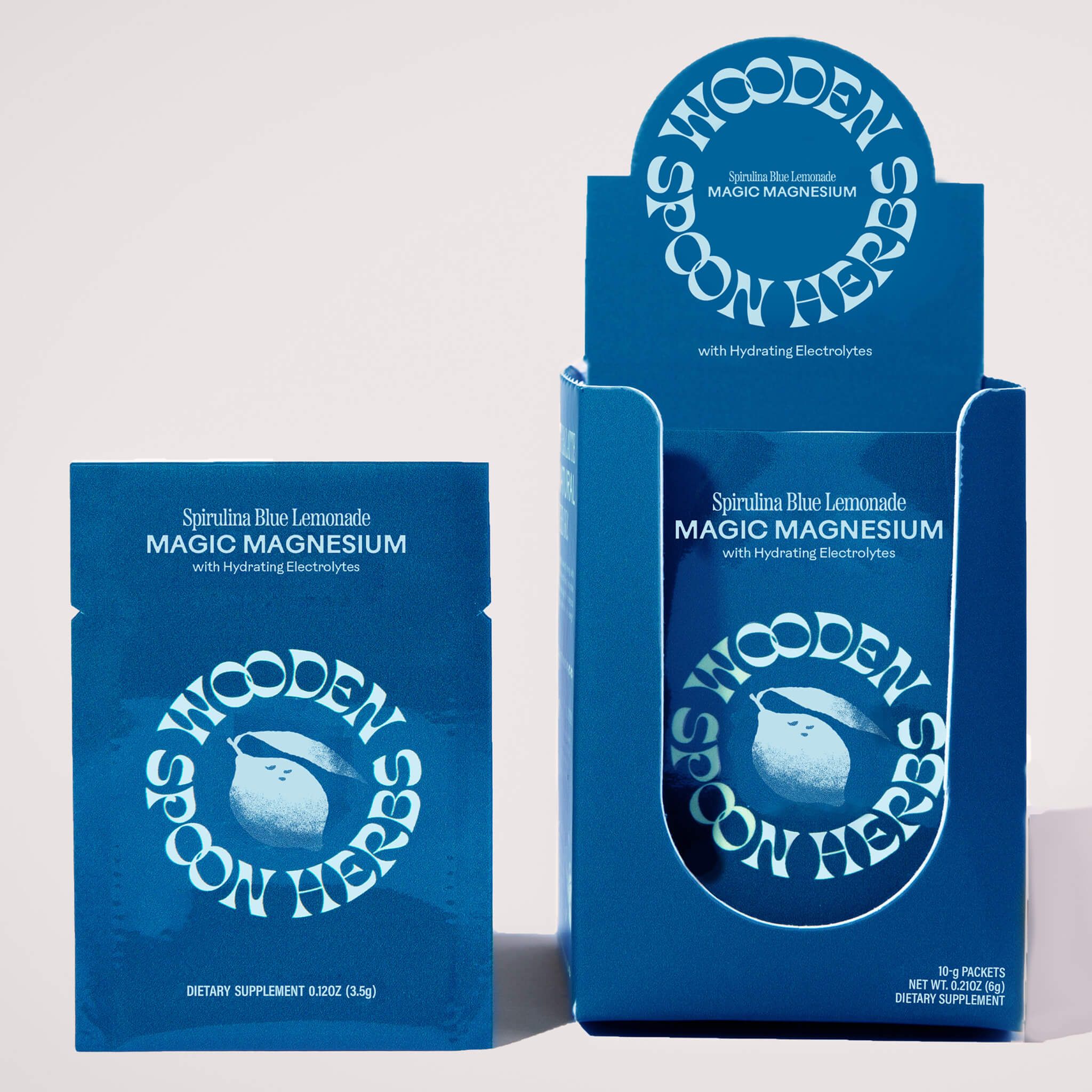
Shuteye Chai by Foria combines magnesium with functional mushrooms in a warm latte format. Magnesium is particularly important during perimenopause, as hormonal changes increase magnesium depletion.
Kava for anxiety-driven waking
Kava is one of the most evidence-backed natural anxiolytics available. It works on GABA receptors, reducing anxiety without sedation or dependency. For women whose sleep disruption is driven primarily by anxiety or racing thoughts, kava is often more effective than melatonin.

Ease Hawaiian Kava Gummies by Rosebud Woman deliver a precise dose of kava in a format that is easy to take 30 to 45 minutes before bed.
Evening body oil ritual
The parasympathetic nervous system, the rest-and-digest state, is the physiological opposite of the stress response that drives cortisol-related waking. Slow, intentional self-massage with a warm body oil activates the vagus nerve and shifts the nervous system toward rest. This is not a soft wellness suggestion. It is a physiological intervention.

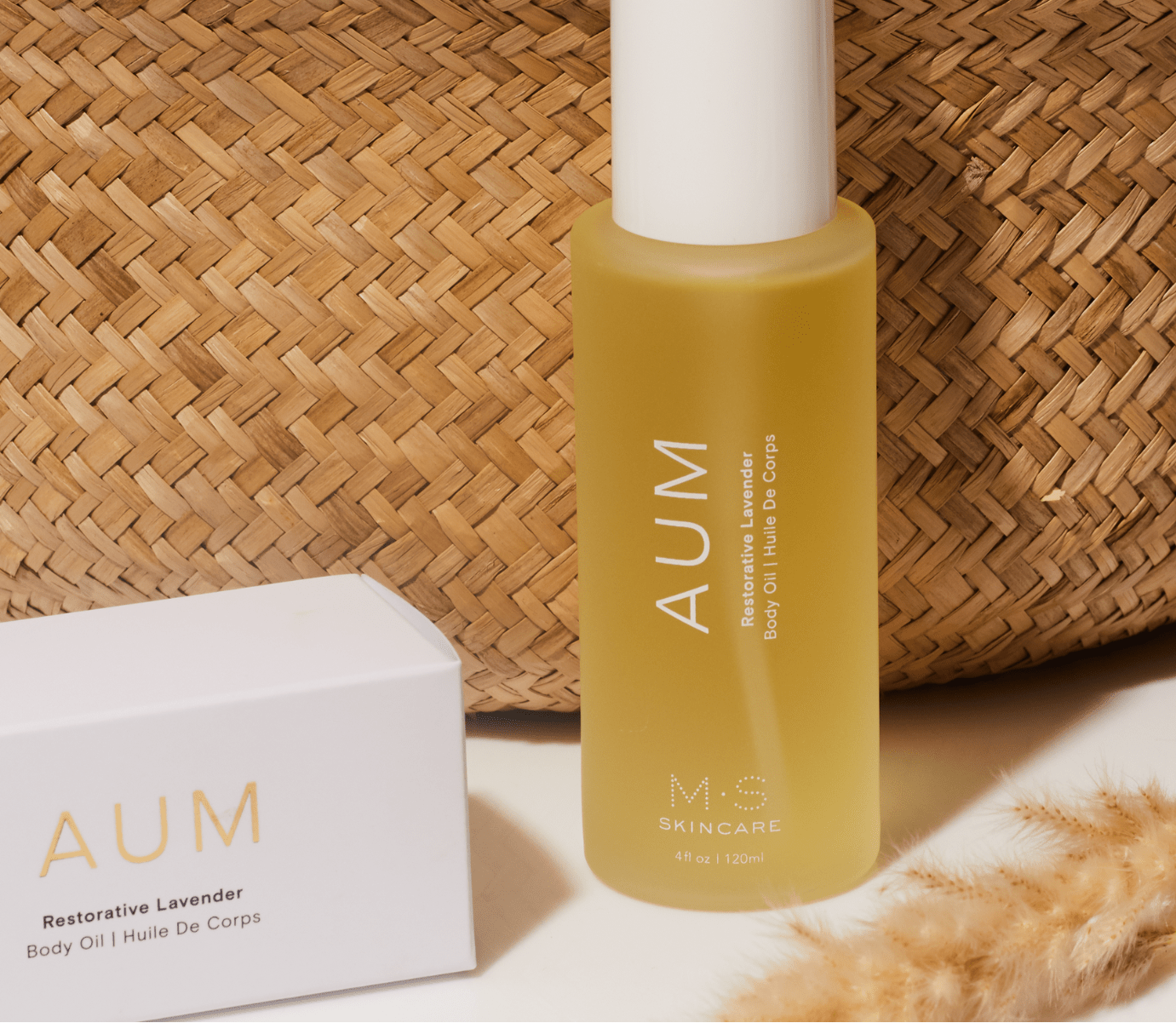
AUM Restorative Body Oil by M.S Skincare is our Ayurvedic evening body oil formulated with lavender, rose, and kakadu plum. It is designed for the specific purpose of evening self-massage: grounding, calming, and deeply nourishing. For women navigating hormonal sleep disruption, this ritual is one of the most consistent tools we recommend.
Phone-free sleep environment
The anxiety amplification that comes with hormonal transition makes the stimulating effects of phones and screens significantly more disruptive. A phone-free bedroom is not optional during perimenopause. It is essential.

The Loftie Clock replaces your phone on the nightstand entirely. No notifications, no blue light, no social media. Just a two-phase alarm, white noise, and a sleep-supportive light system.
A note on what this is not
This post is not a substitute for medical advice. Hormone replacement therapy (HRT) is the most effective treatment for menopausal sleep disruption for many women, and the conversation about it has shifted significantly in recent years. If your sleep disruption is severe, speak with a menopause-informed clinician.
What we offer here is the layer of support that works alongside whatever approach you take: the daily rituals, the supplements, the environment, and the body care that make a real difference in sleep quality during hormonal transition.
Find the full collection of products that support sleep during menopause in The Sleep Edit. For our broader menopause wellness range, explore Menopause and Perimenopause Relief.
Also in this series: You Are Not Imagining It: Sleep in Perimenopause Is Different, Why You Can't Sleep: The Real Reasons and What Actually Helps, and The Nighttime Routine That Actually Works.