Red Light Therapy at Home: Complete Beginner's Guide for 2026
Red light therapy is no longer reserved for dermatology clinics, high-end spas, or professional athletes. Thanks to advances in LED technology and more accessible pricing, this powerful wellness tool is now available for home use—and it's transforming how people approach skincare, recovery, and overall health.
If you're curious about red light therapy but don't know where to start, this comprehensive beginner's guide will walk you through everything you need to know: what it is, how it works, what to look for in a device, and how to use it safely and effectively at home.

What You Need to Know Before You Start
Before diving into your first session, it's important to understand a few key concepts and safety considerations:
Red Light Therapy Is Safe for Most People
Red light therapy is non-invasive, painless, and has an excellent safety profile. Unlike UV light from the sun or tanning beds, red and near-infrared wavelengths don't damage skin or increase cancer risk. The most common side effect is mild warmth during treatment, which most people find pleasant and relaxing.
Eye Protection Matters
While red light isn't harmful to eyes in the way UV light is, it's still bright and can be uncomfortable to look at directly. Many people simply close their eyes during facial treatments. If you're using a high-powered panel, consider wearing protective goggles or keeping your eyes closed. Devices like the Nushape Red Light Therapy Mask are designed with eye protection built in.
Skin Sensitivity and Photosensitivity
If you're taking medications that increase photosensitivity (like certain antibiotics or acne treatments), consult your healthcare provider before starting red light therapy. While reactions are rare, it's always better to be cautious.
Set Realistic Expectations
Red light therapy delivers real, measurable results—but it's not magic. You won't wake up with perfect skin after one session. Benefits accumulate over weeks and months of consistent use. Think of it like going to the gym: one workout won't transform your body, but regular sessions absolutely will.
Choosing Your First Red Light Therapy Device
The market is flooded with red light therapy devices, and quality varies dramatically. Here's what actually matters when choosing your first device:
Key Specifications to Look For
Wavelength (Most Important): Look for devices that emit red light (630-660nm) and/or near-infrared light (810-850nm). These are the therapeutic wavelengths backed by research. Many quality devices combine both for maximum benefits.
Power Density (Irradiance): Measured in mW/cm², this indicates how much light energy reaches your skin. For effective treatment, look for at least 30-50 mW/cm² at the recommended distance. Higher isn't always better—what matters is getting adequate power at a comfortable distance.
Coverage Area: Larger panels treat more area at once but cost more and take up more space. Smaller devices are portable and affordable but require more time to treat larger areas. Consider your primary goals and available space.
Device Types: Panels, Handhelds, and Masks
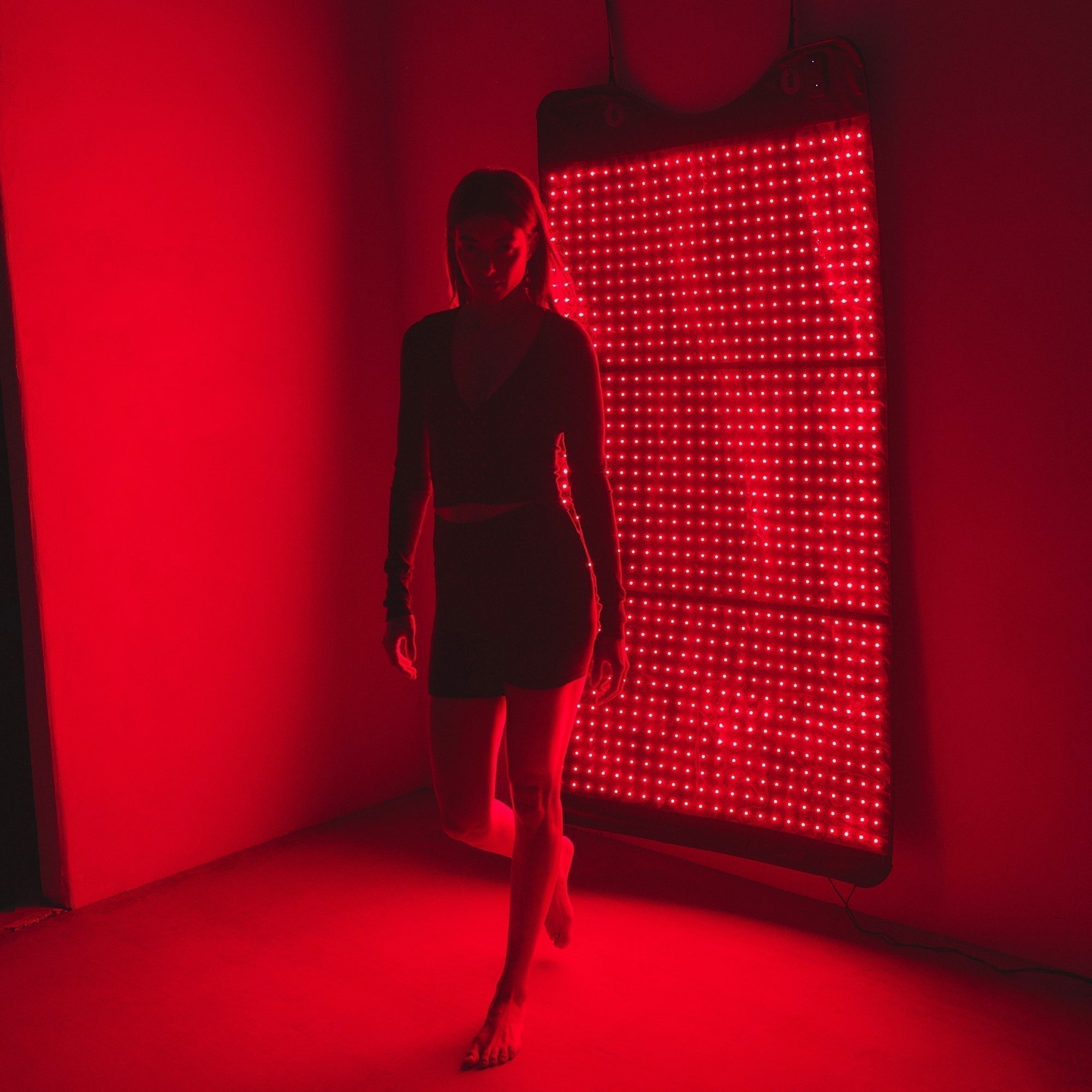
Panel Devices: Wall-mounted or freestanding panels like the MitoMEGA 2.0 offer the largest coverage area, making them ideal for full-body treatment, muscle recovery, and comprehensive skin benefits. They're the most versatile option for home use.
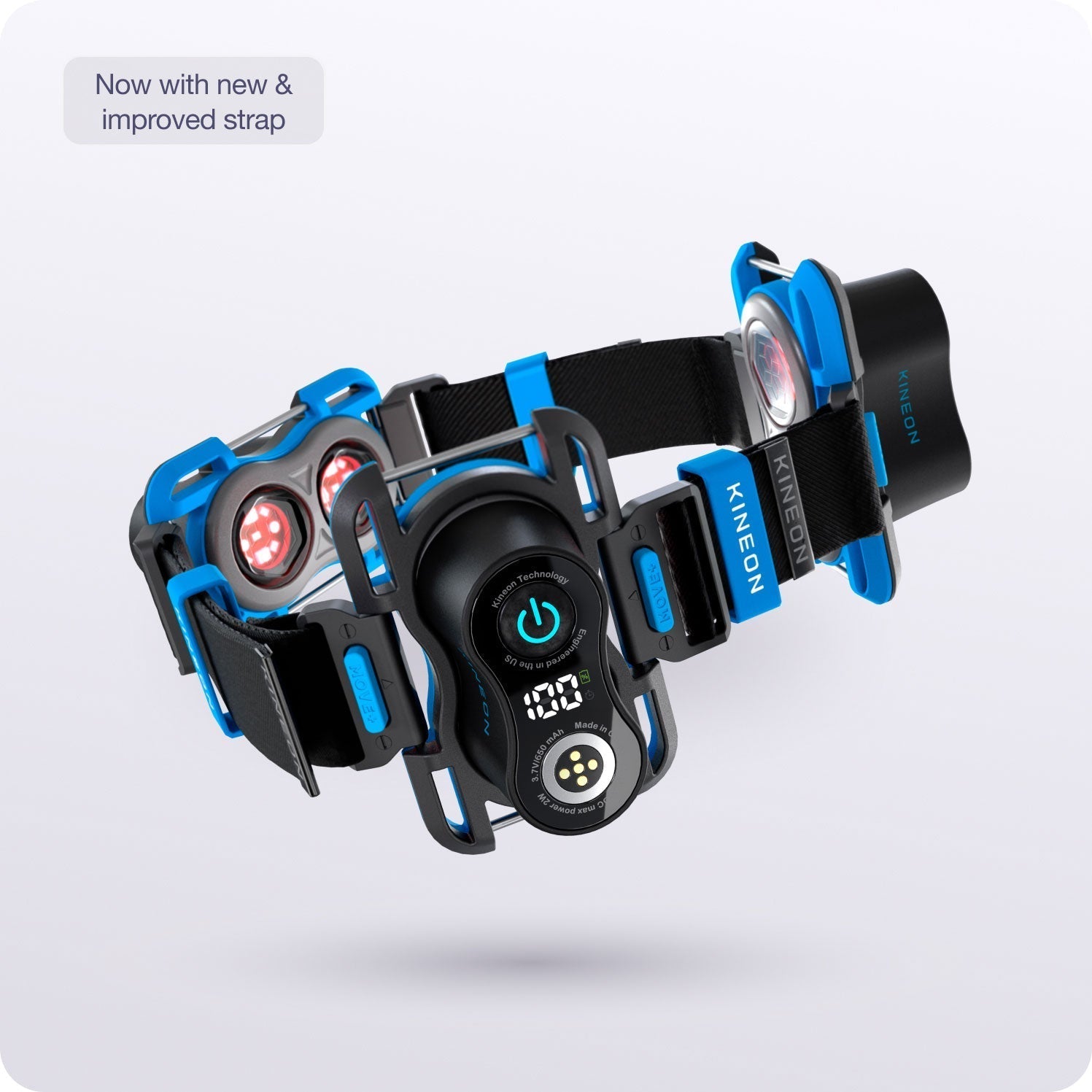
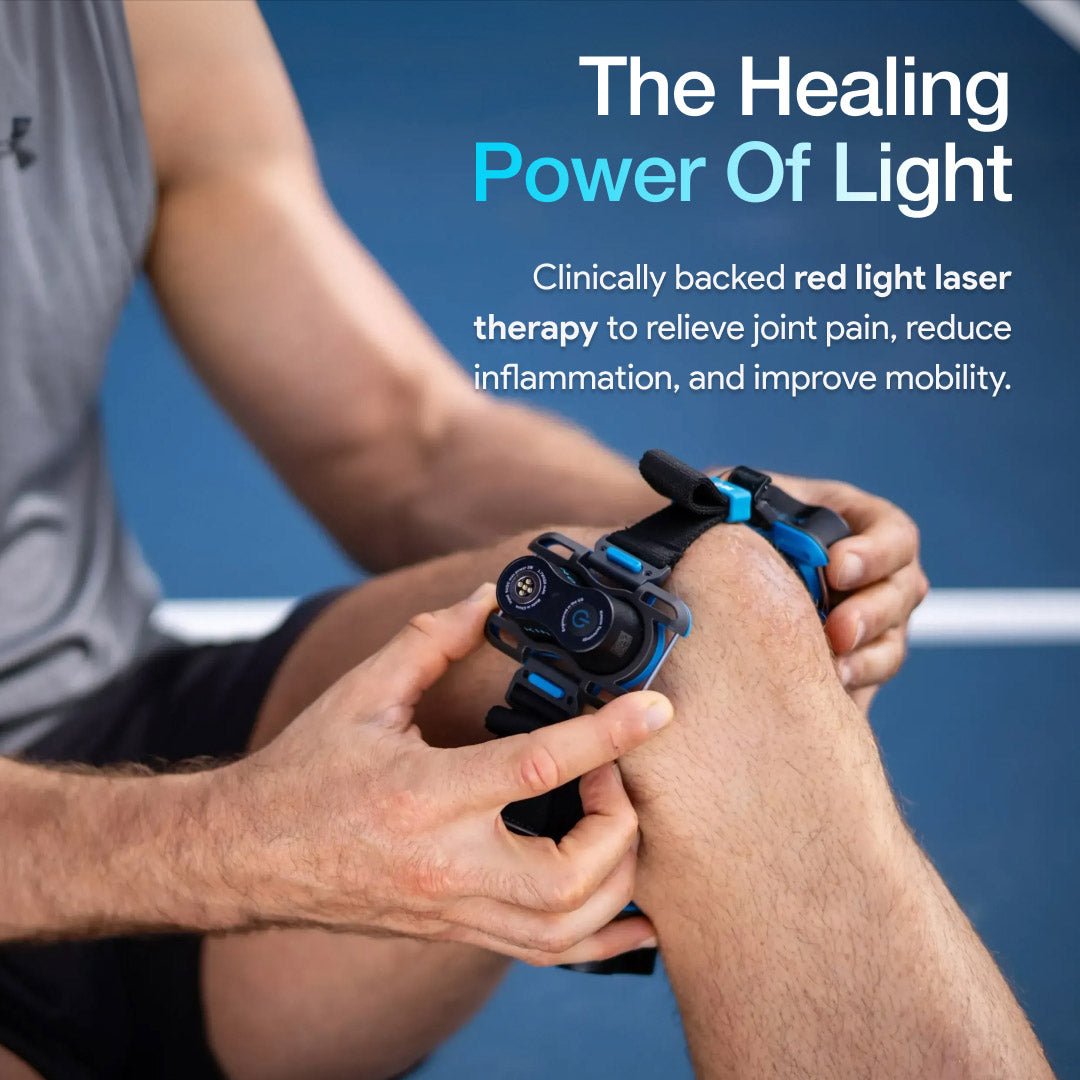
Handheld Devices: Compact and portable options like the Mini Red Light Therapy Device are perfect for targeted treatment of specific areas—crow's feet, forehead lines, neck, or joints. They're also great for travel.
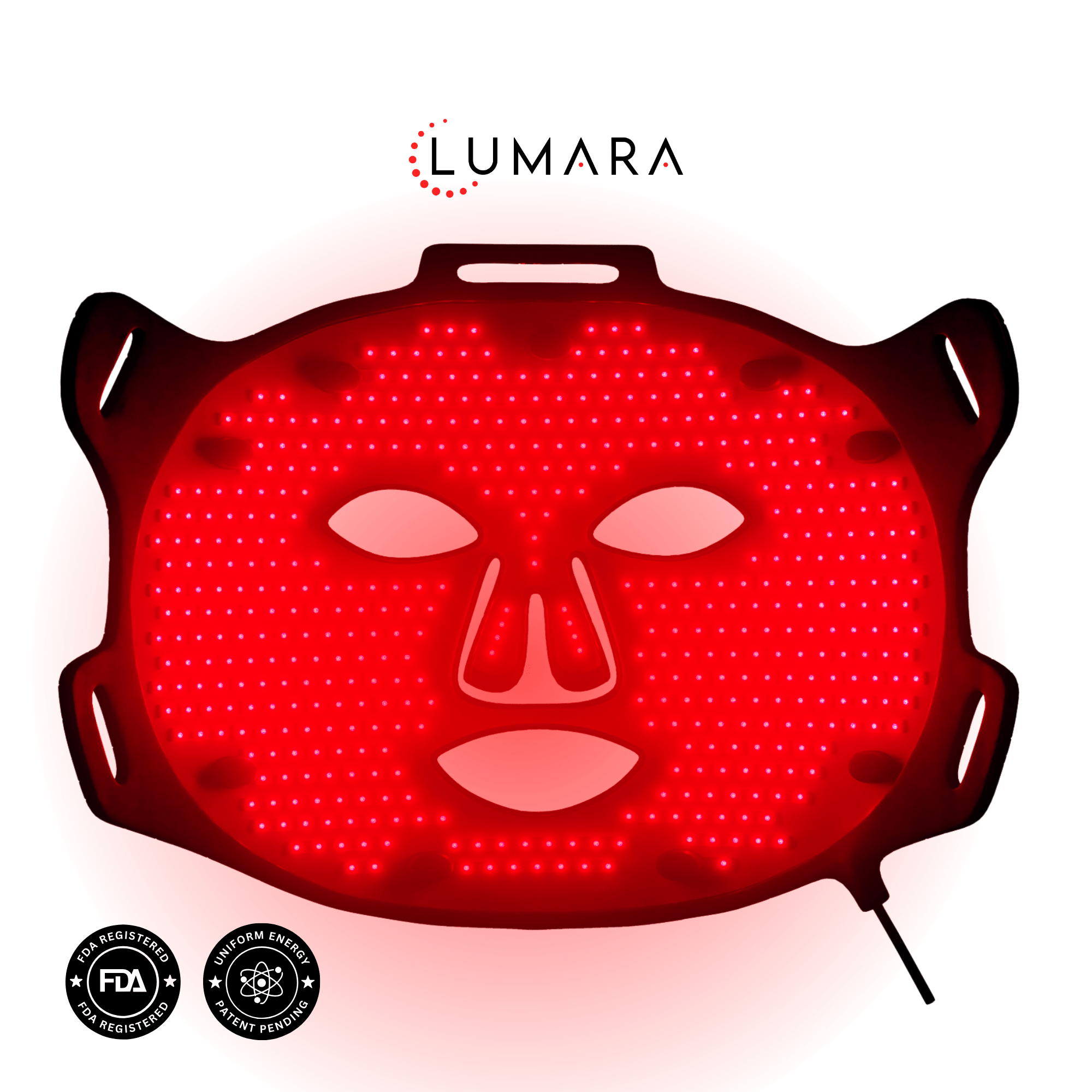
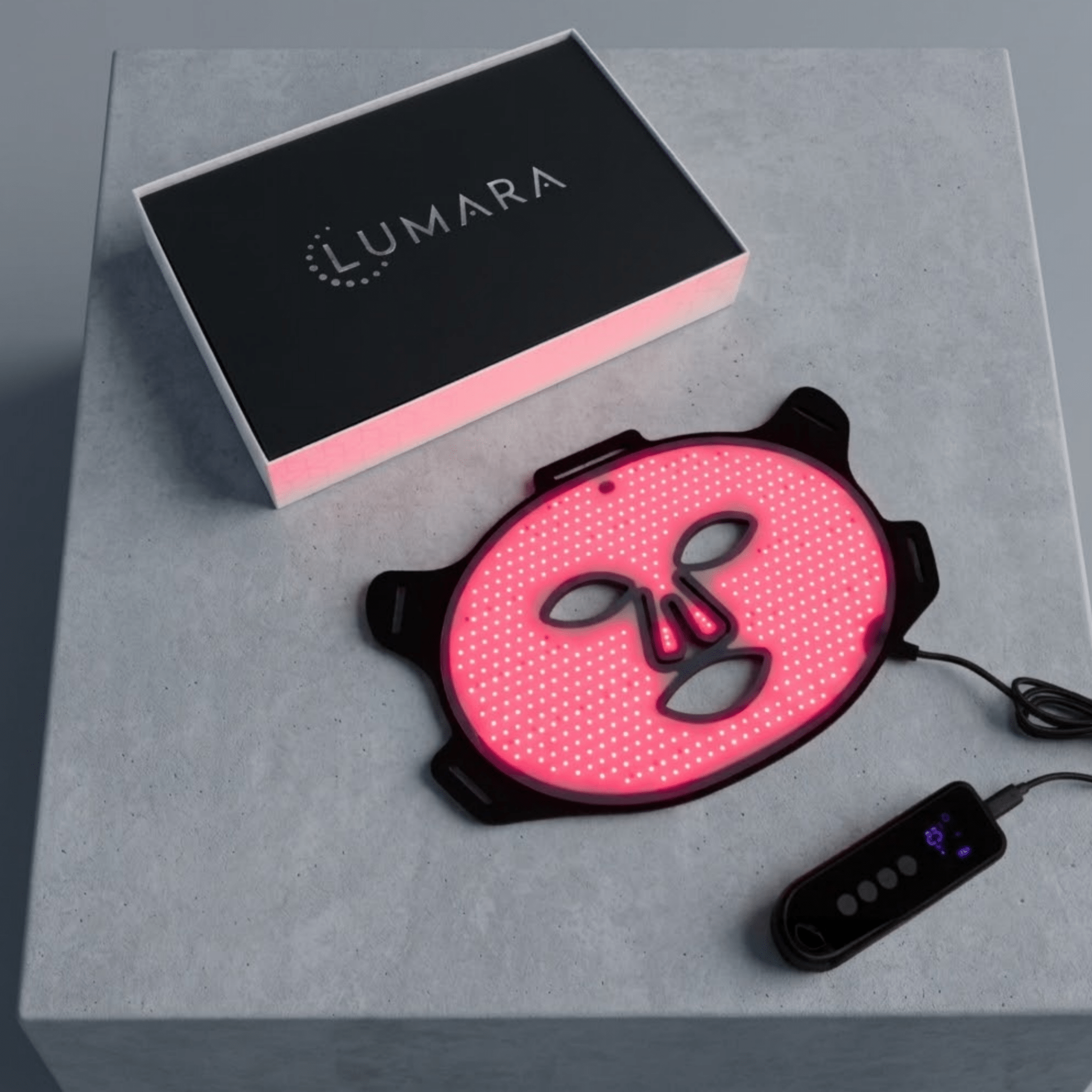
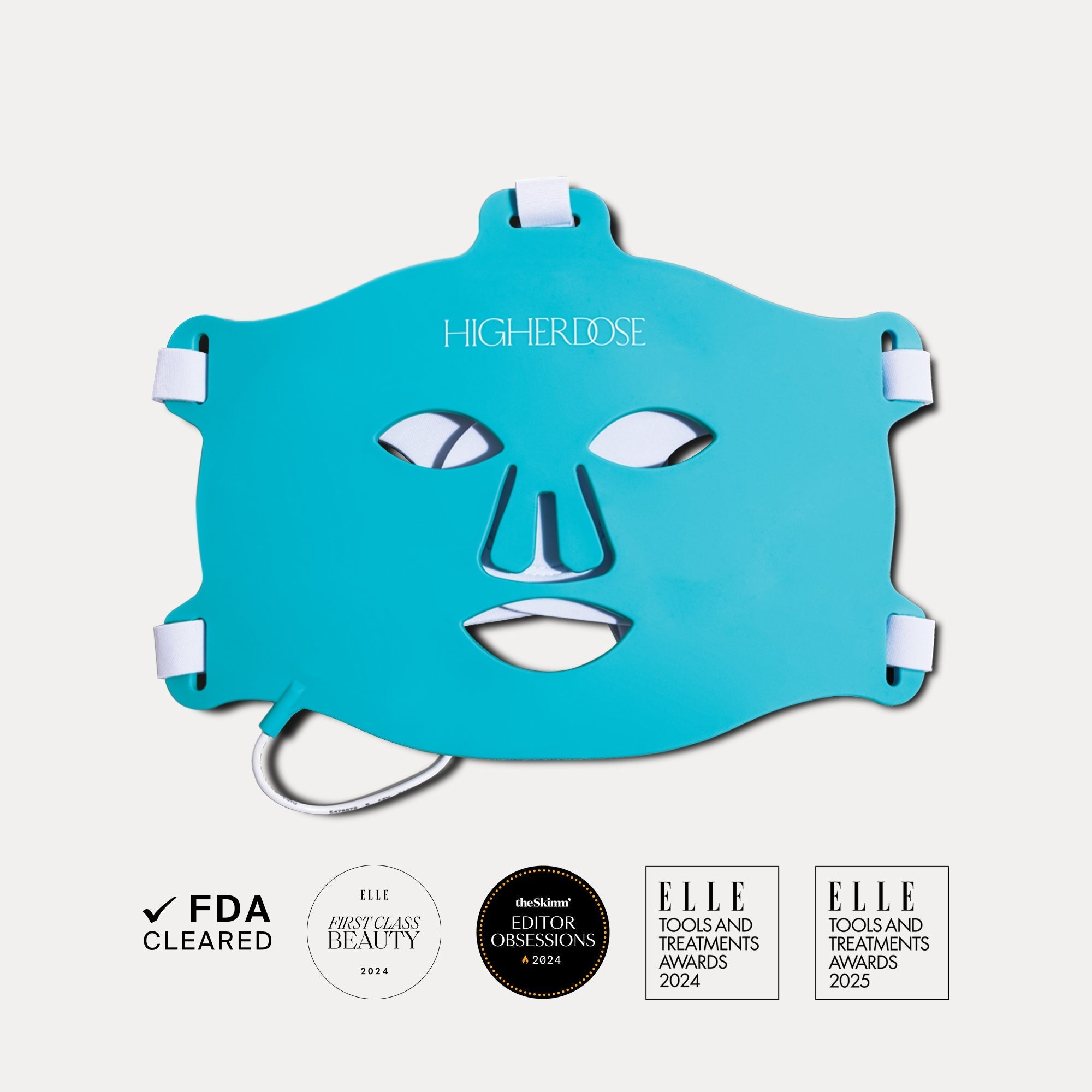
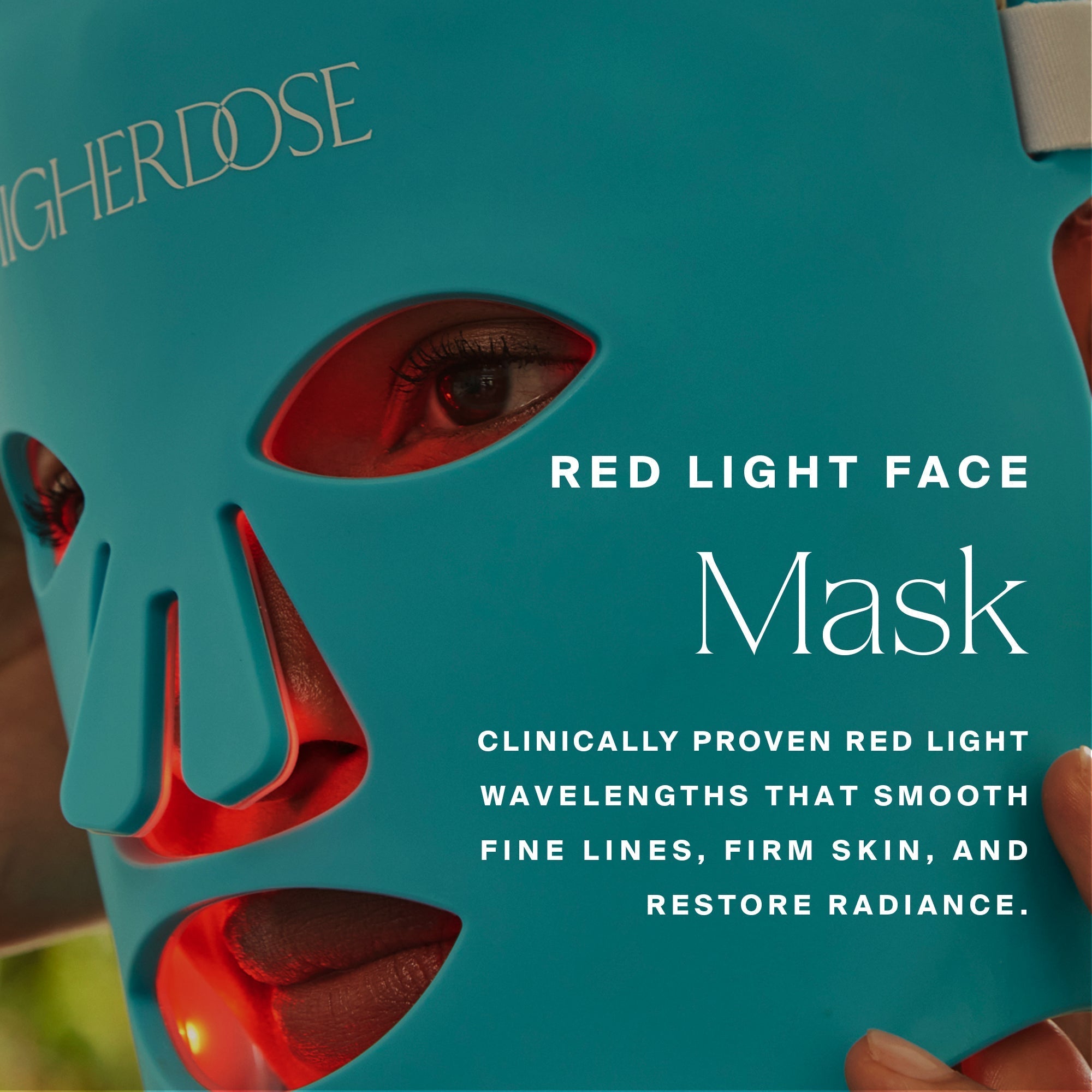
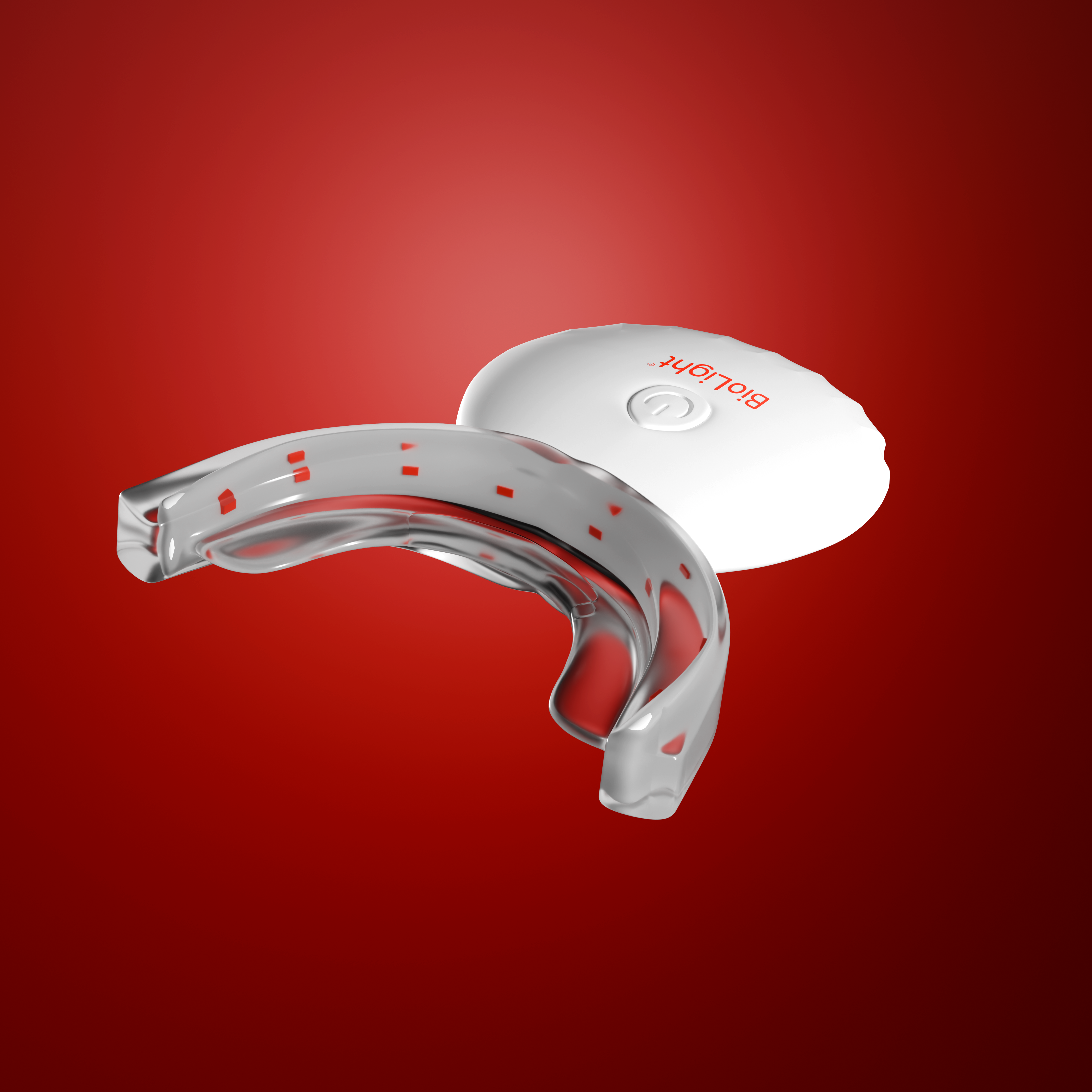
Masks: Facial masks provide hands-free convenience and comprehensive facial coverage. They're specifically designed for skincare goals and make it easy to multitask during treatment.

Step-by-Step: Your First Red Light Therapy Session
Ready to try red light therapy? Here's exactly how to do it:
Step 1: Prep Your Skin
For best results, use red light therapy on clean, bare skin. Remove makeup, sunscreen, and skincare products—these can block light penetration and reduce effectiveness. You don't need to apply anything before treatment; the light works directly on your cells.
Step 2: Position Yourself Correctly
For panel devices, position yourself 6-12 inches away from the light. The closer you are, the more intense the treatment, but you'll cover a smaller area. Most manufacturers provide specific distance recommendations—follow them for optimal results.
For masks and handheld devices, follow the product instructions for proper placement and contact.
Step 3: Start with Short Sessions
Begin with 5-10 minute sessions to let your body adjust. You can gradually increase to 15-20 minutes as you become more experienced. More isn't necessarily better—consistency and proper dosing matter more than duration.
Step 4: Protect Your Eyes
Close your eyes if treating your face, or wear protective eyewear if using a bright panel. Never stare directly into the lights.
Step 5: Relax and Enjoy
Red light therapy is a perfect opportunity to practice mindfulness, meditate, listen to a podcast, or simply relax. The gentle warmth is soothing, and many people find sessions deeply calming.
Building a Consistent Routine
The secret to red light therapy success is consistency. Here's how to make it a sustainable habit:
Frequency Recommendations
Most experts recommend 3-5 sessions per week for optimal results. Daily use is safe and can accelerate benefits, but even 3 times per week will deliver noticeable improvements over time.
Best Times to Use Red Light Therapy
Morning sessions can boost energy and support circadian rhythm, while evening sessions promote relaxation and recovery. For skin benefits specifically, timing matters less than consistency. Choose whatever time fits naturally into your routine. (Read our full guide on morning vs. evening red light therapy for more details.)
Tracking Your Progress
Take before photos in consistent lighting and track how your skin looks and feels over time. Note improvements in texture, tone, fine lines, and overall radiance. Many people also track energy levels, sleep quality, and recovery time if using red light therapy for wellness beyond skincare.
Pairing with Skincare Products
Use red light therapy on clean skin, then apply your serums and moisturizers afterward. The increased circulation and cellular activity may help products absorb more effectively. Some users report that their skincare products work better when combined with regular red light therapy.

Common Mistakes to Avoid
Help your red light therapy journey succeed by avoiding these beginner pitfalls:
1. Sitting Too Far Away
Light intensity decreases with distance. If you're too far from your device, you won't get therapeutic dosing. Follow manufacturer guidelines for optimal distance—usually 6-12 inches for panels.
2. Inconsistent Use
Using red light therapy sporadically won't deliver results. Treat it like brushing your teeth or taking vitamins—it needs to be a regular habit. Set reminders, schedule sessions, and make it part of your routine.
3. Expecting Overnight Results
Red light therapy works at the cellular level, and visible changes take time. Most people notice subtle improvements around 4-6 weeks, with more dramatic results after 3+ months of consistent use. Be patient and trust the process.
4. Using Through Clothing or Skincare
Light can't penetrate fabric or thick skincare products effectively. Always use red light therapy on bare skin for maximum benefit.
5. Buying Based on Price Alone
The cheapest device isn't always the best value. Look for quality construction, proper wavelengths, adequate power output, and good customer reviews. A well-made device will last for years and deliver consistent results.
What to Expect: Your Red Light Therapy Journey
Week 1: You're getting familiar with your device and building the habit. Your skin may feel slightly warmer during and after sessions. Some people notice improved skin texture right away.
Weeks 2-4: You're in a consistent rhythm. You might notice a subtle glow, improved skin feel, and possibly better sleep or energy (depending on when you use it).
Weeks 4-8: Visible improvements start appearing—reduced fine lines, more even tone, enhanced radiance. Friends might start asking if you've changed something about your skincare routine.
3+ Months: The cumulative benefits are clear. Your skin looks healthier, feels firmer, and has a natural luminosity. You've made red light therapy a non-negotiable part of your wellness routine.
Ready to Get Started?
Red light therapy at home is accessible, effective, and backed by science. Whether you're focused on anti-aging skincare, overall wellness, or recovery, there's a device and routine that fits your needs and lifestyle.
The hardest part is simply beginning. Choose a quality device, commit to consistency, and give your body time to respond. The investment in your skin and health will pay dividends for years to come.
Explore our collection of red light therapy devices and find the perfect starting point for your at-home wellness journey. Your future self will thank you.