

Why You Can't Sleep: The Real Reasons and What Actually Helps
You are tired. You know you need sleep. You have tried going to bed earlier, cutting caffeine, even counting sheep. And yet, here you are at 2am, staring at the ceiling.
The problem is not willpower. The problem is that most sleep advice treats symptoms, not causes. Here is what is actually driving poor sleep, and what the evidence says actually helps.
1. Your cortisol is not dropping at night
Cortisol, your primary stress hormone, should follow a natural rhythm: high in the morning, low at night. Chronic stress, blue light exposure, late-night eating, and alcohol all disrupt this rhythm, keeping cortisol elevated when it should be falling.
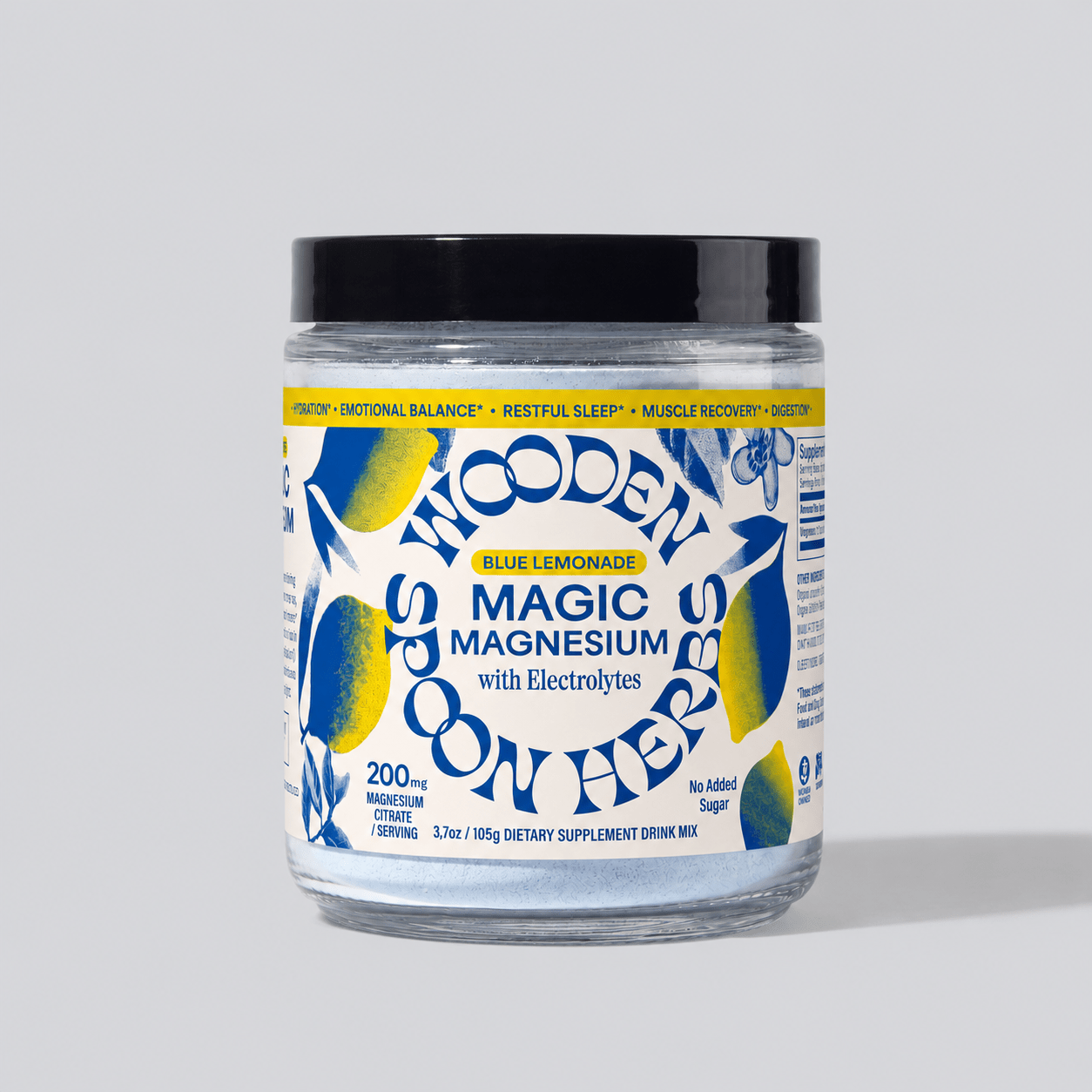
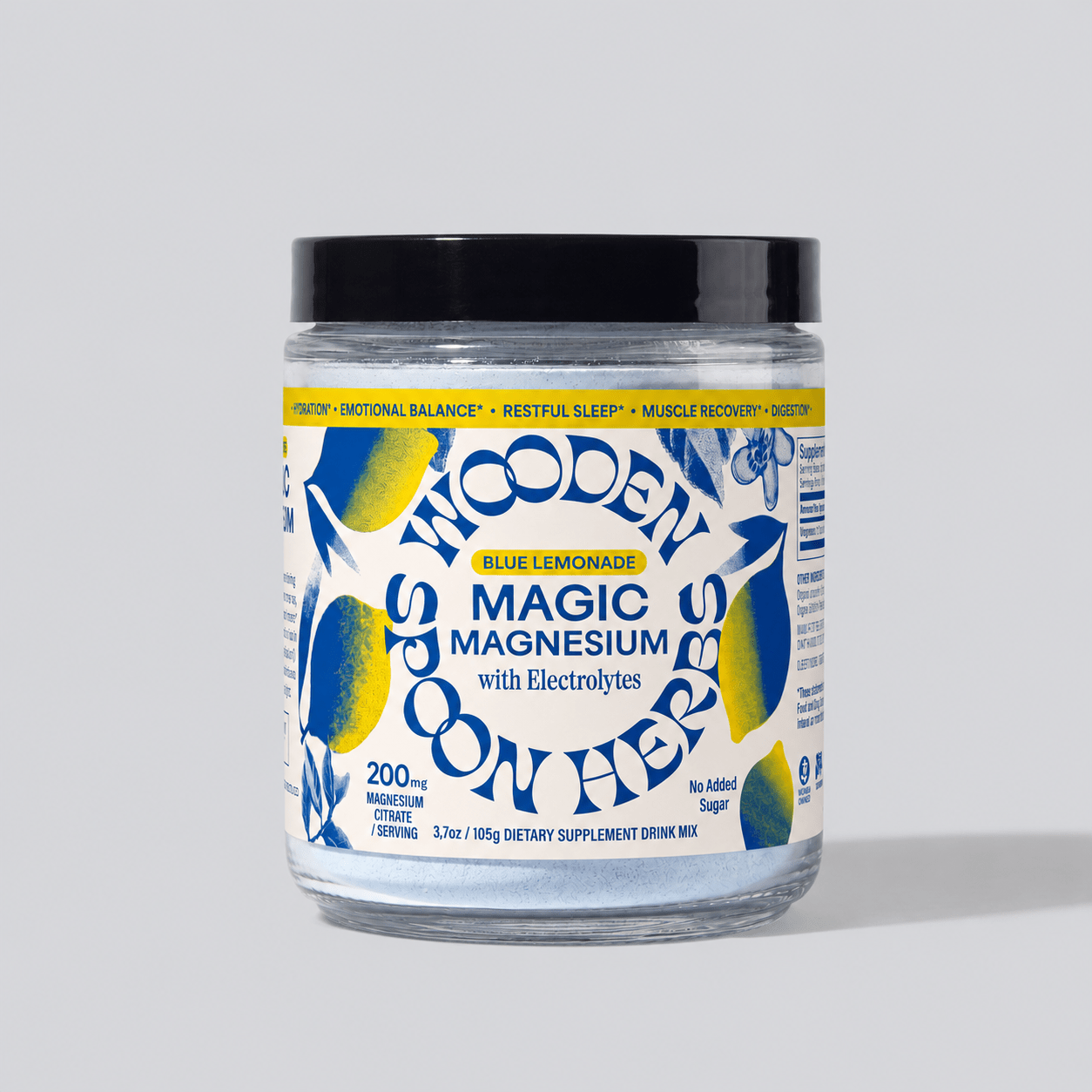
What helps: adaptogens like ashwagandha have been shown in clinical studies to reduce cortisol levels and improve sleep quality. Magnesium supports the nervous system's ability to downregulate. Both work on the root cause, not just the symptom.

Magic Magnesium by Wooden Spoon Herbs delivers a highly bioavailable form of magnesium formulated specifically for nervous system support and sleep.
2. You are breathing through your mouth
Mouth breathing during sleep reduces oxygen efficiency, increases snoring, disrupts sleep architecture, and elevates cortisol. It is one of the most overlooked drivers of poor sleep quality, and one of the easiest to address.
Nasal breathing, by contrast, produces nitric oxide, which improves oxygen uptake and promotes deeper, more restorative sleep.
Browse The Sleep Edit, our curated sleep collection, for tools that make the transition to deeper, more restorative sleep easier.
3. Your sleep environment is working against you
Temperature, light, sound, and air quality all directly affect sleep quality. Most people optimize none of them. A room that is too warm, too bright, or too dry will fragment your sleep even if you fall asleep easily.
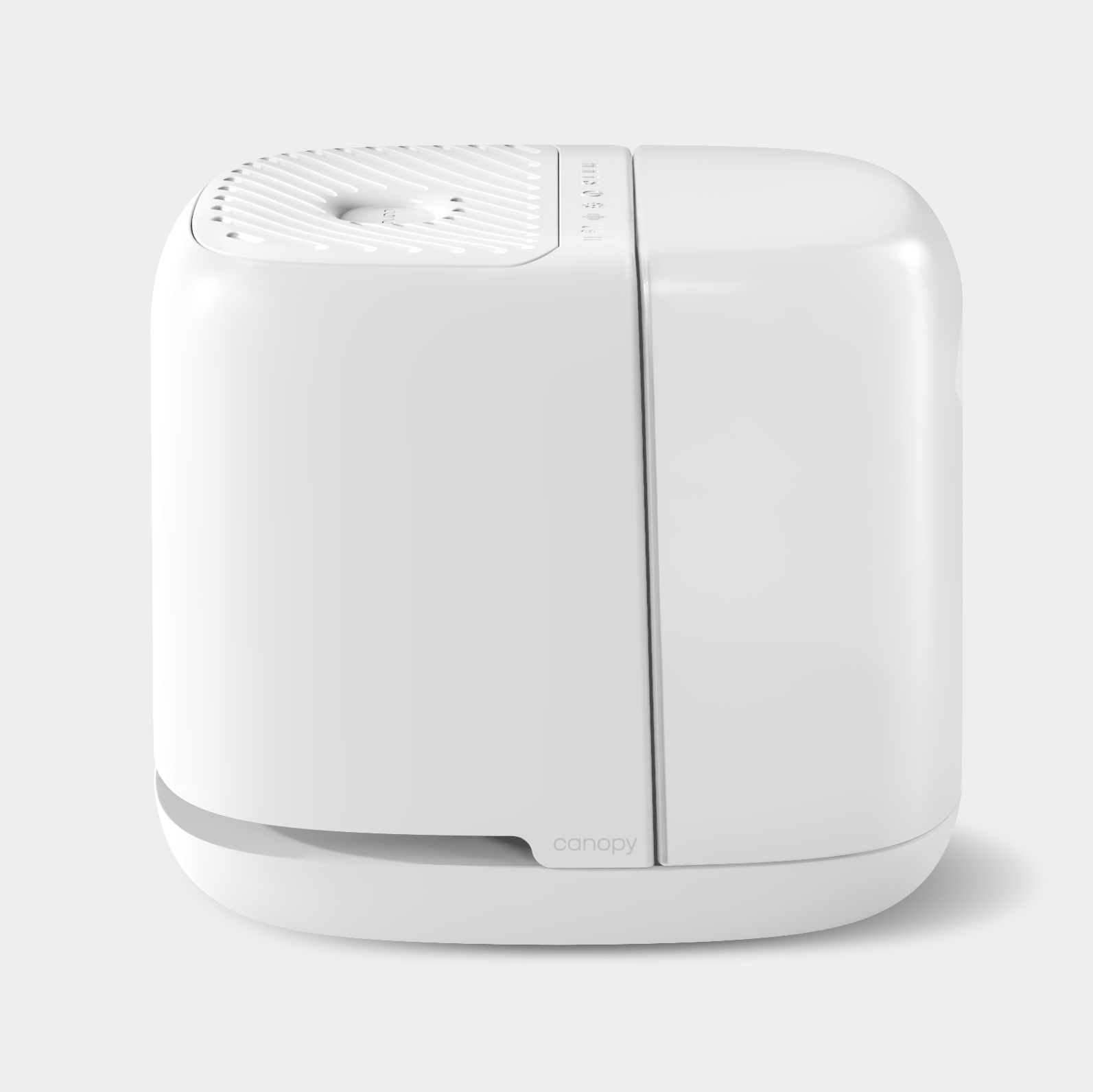
The ideal sleep environment: 65 to 68 degrees Fahrenheit, complete darkness, and humidified air. A bedside humidifier is one of the highest-leverage investments you can make for sleep quality, particularly in dry climates or during winter months.

The Canopy Bedside Humidifier 2.0 is filterless, mold-resistant, and designed specifically for the bedroom.
4. Your phone is the last thing you see before bed
Blue light suppresses melatonin production. Notifications keep your nervous system in a state of low-grade alertness. Doomscrolling activates the same stress pathways as a real threat. Your phone is, physiologically speaking, one of the worst things you can bring into your bedroom.
The solution is not just putting your phone face-down. It is removing it from the equation entirely. A dedicated alarm clock that does not connect to the internet removes the temptation and the stimulus.

The Loftie Clock is a phone-free alarm clock with a two-phase alarm, white noise, and a sleep-supportive light system. It is designed to replace your phone on the nightstand entirely.
5. You are not winding down, you are just stopping
Sleep is not a switch. It is a gradual physiological process that requires a transition period. Going from full activity to bed in five minutes does not give your nervous system time to downregulate. The result is lying awake, mind racing, body tense.
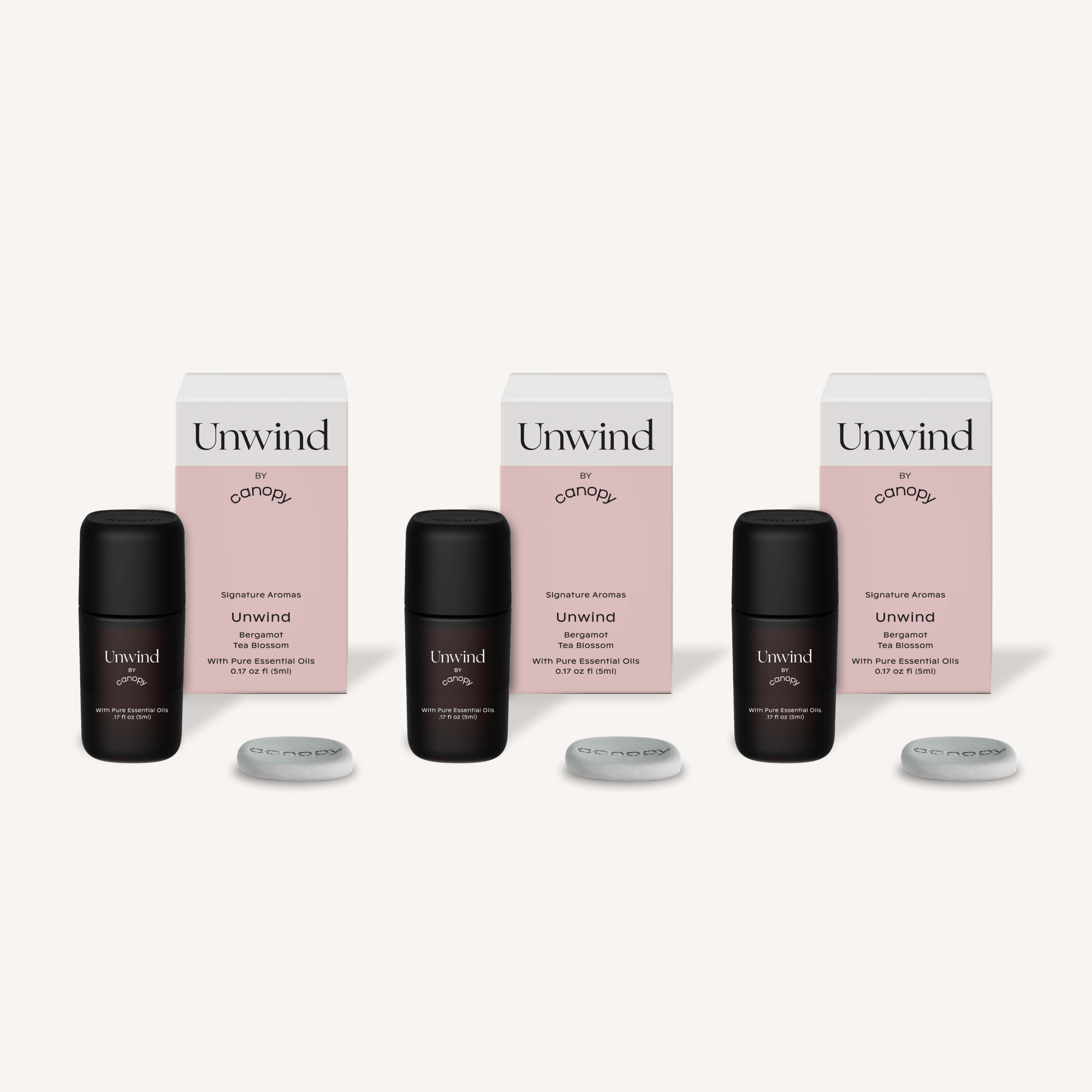
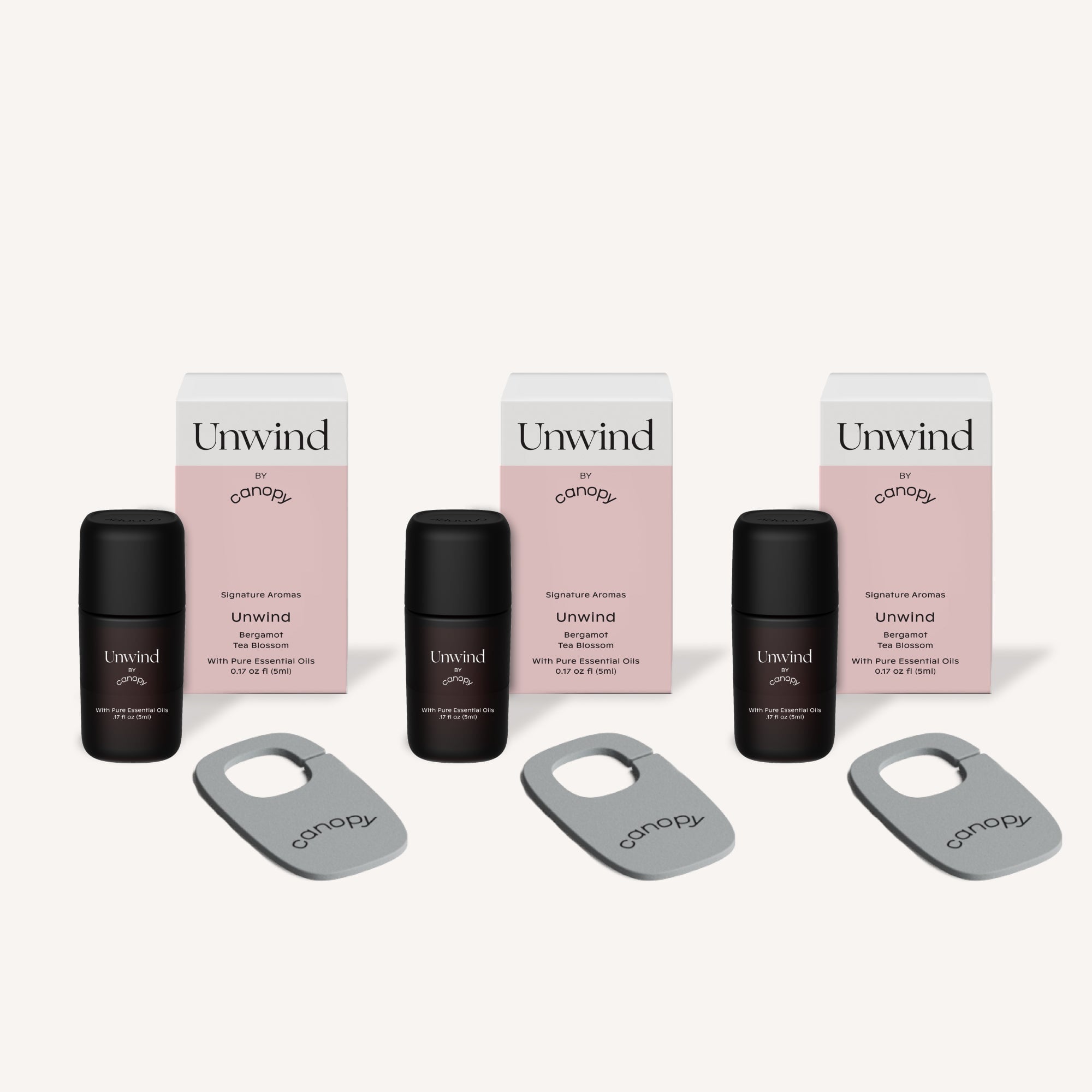
A consistent wind-down ritual, even 20 to 30 minutes, signals to your body that sleep is coming. Warm baths raise then lower core body temperature, which triggers sleepiness. Aromatherapy activates the parasympathetic nervous system. A nourishing body oil applied with intention is one of the simplest ways to begin that transition.

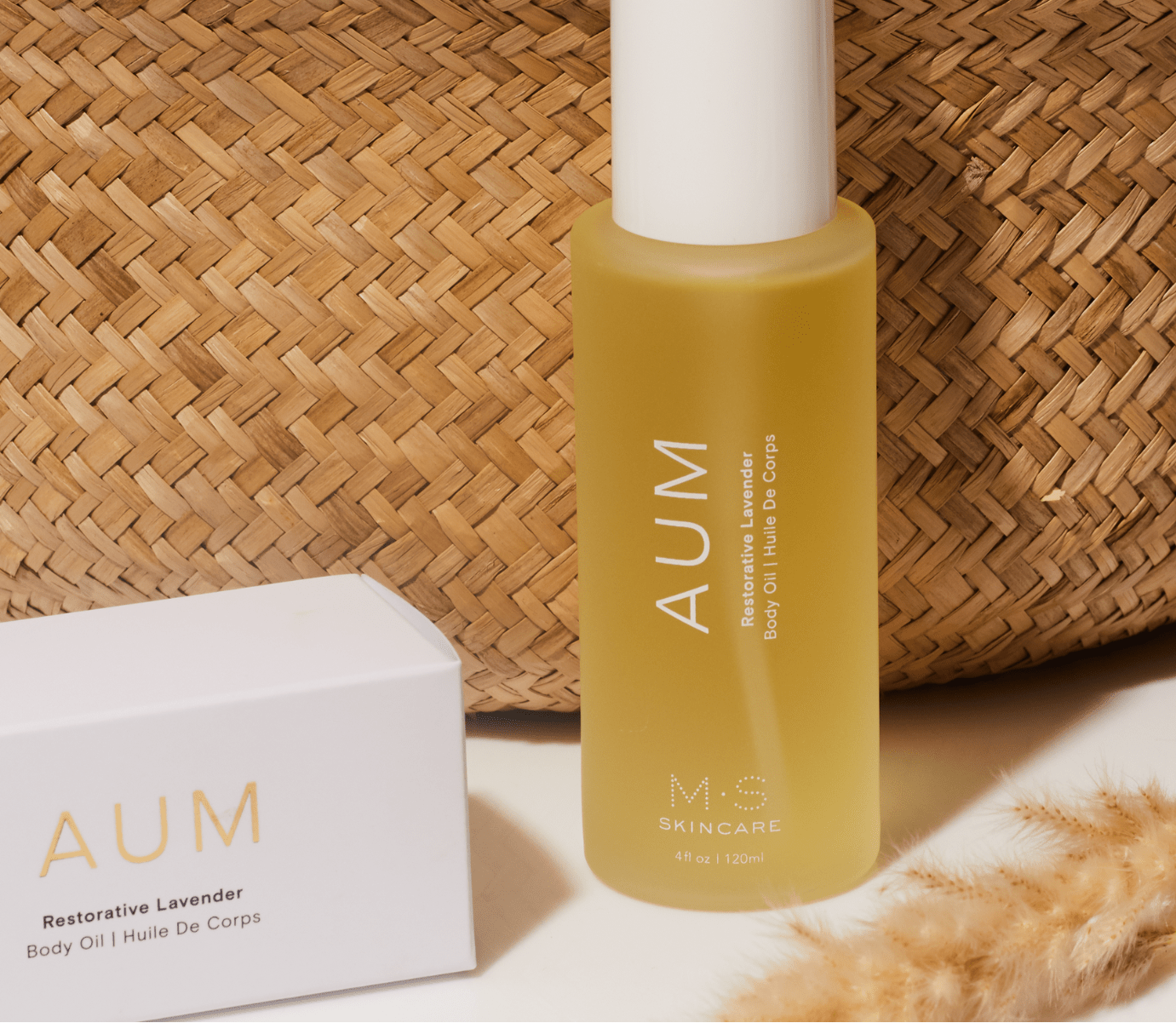
AUM Restorative Body Oil by M.S Skincare is an Ayurvedic lavender and rose body oil formulated for evening self-massage. The act of applying it is itself a wind-down signal: slow, intentional, grounding. It is one of the most effective things you can add to a pre-sleep ritual.

Foria Sleep Capsules combine CBD, CBN, and botanicals to support the body's natural wind-down process without grogginess the next morning.
The bottom line
Poor sleep is rarely one problem. It is usually several compounding factors: elevated cortisol, poor breathing mechanics, a suboptimal environment, and no wind-down ritual. Address them systematically and sleep improves.
We have curated the products that address each of these factors in The Sleep Edit. Every product earns its place.
Also in this series: The Nighttime Routine That Actually Works, Sleep Is a Skill: How to Build a Wind-Down Ritual, and The Best Sleep Products of 2026.