The Clean Routine for Sensitive Skin
Sensitive skin is not a skin type. It is a skin condition, and usually a temporary one. It is a signal that the skin's barrier has been compromised, that something in the environment, a product, a habit, or a season, has disrupted its ability to protect and regulate itself. The answer is almost never more products. It is the right products, used consistently, with patience.
Ayurvedic skincare has always understood this. The tradition prioritizes nourishment and balance over intervention. It works with the skin's natural intelligence rather than overriding it. For sensitive or reactive skin, that philosophy is not just appealing. It is exactly right.
What Makes Skin Sensitive?
Skin becomes sensitive when its barrier, the outermost layer of the skin responsible for keeping moisture in and irritants out, is weakened. This can happen from over-exfoliation, harsh cleansers, environmental stressors, or simply using too many active ingredients at once. When the barrier is compromised, skin becomes reactive, flushing, stinging, or breaking out in response to products it would otherwise tolerate.
Restoring the barrier is the first priority. Everything else follows from that.
Step 1: Cleanse Without Stripping
The single most important change for sensitive skin is switching to a non-stripping cleanser. Foaming cleansers and gel cleansers that leave skin feeling tight are actively damaging the barrier with every use. An oil cleanser works with the skin's chemistry, dissolving impurities without disrupting the lipid layer.
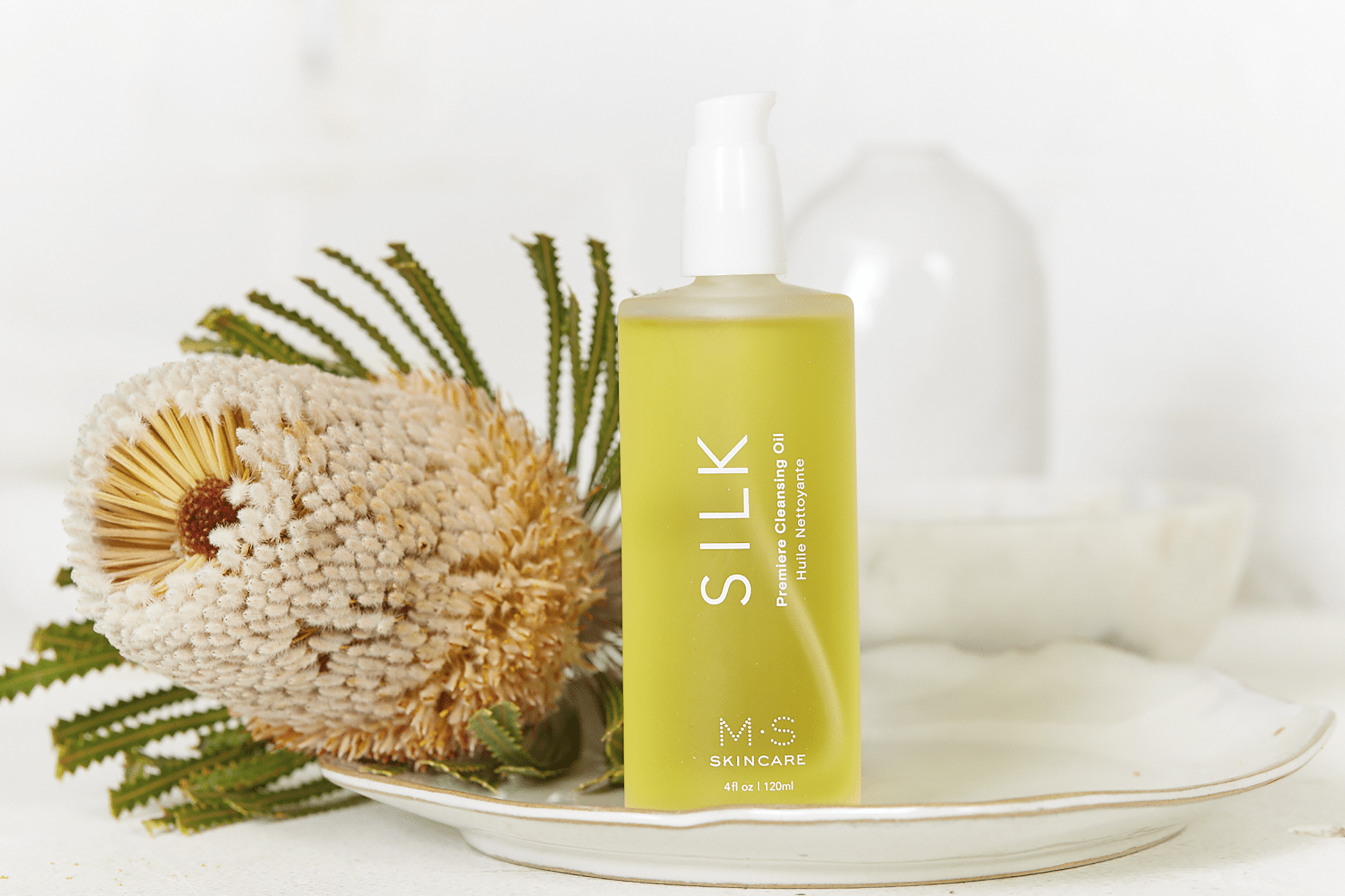
SILK Cleansing Oil is formulated with Frankincense and Black Cumin Oil, both known for their anti-inflammatory and barrier-supporting properties. It cleanses thoroughly, emulsifies cleanly with water, and leaves skin feeling balanced rather than stripped.

Step 2: Hydrate with Botanicals
After cleansing, sensitive skin needs immediate hydration to prevent transepidermal water loss. A botanical mist applied to slightly damp skin delivers active hydration and antioxidant support without the alcohol or synthetic fragrance that can trigger reactivity.
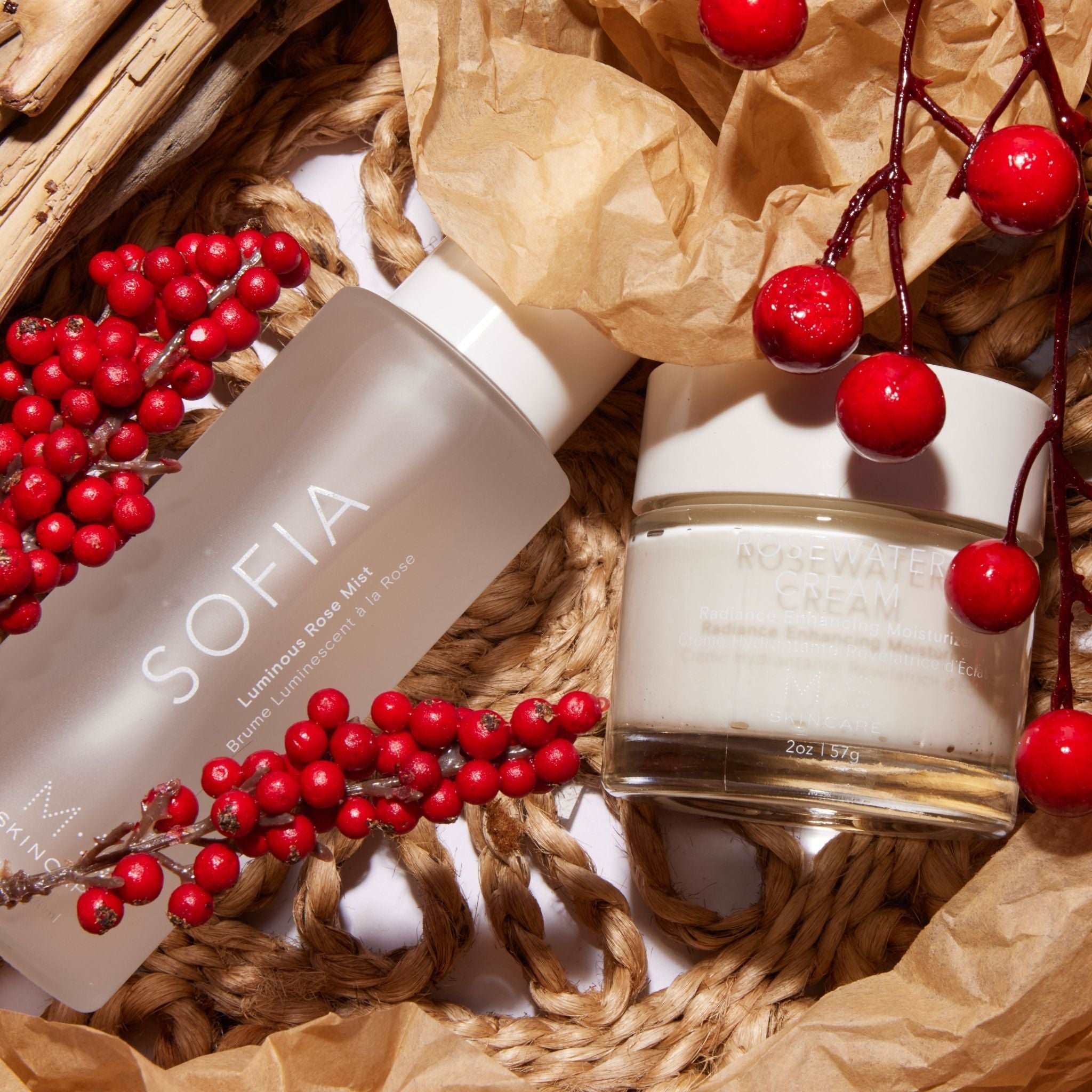
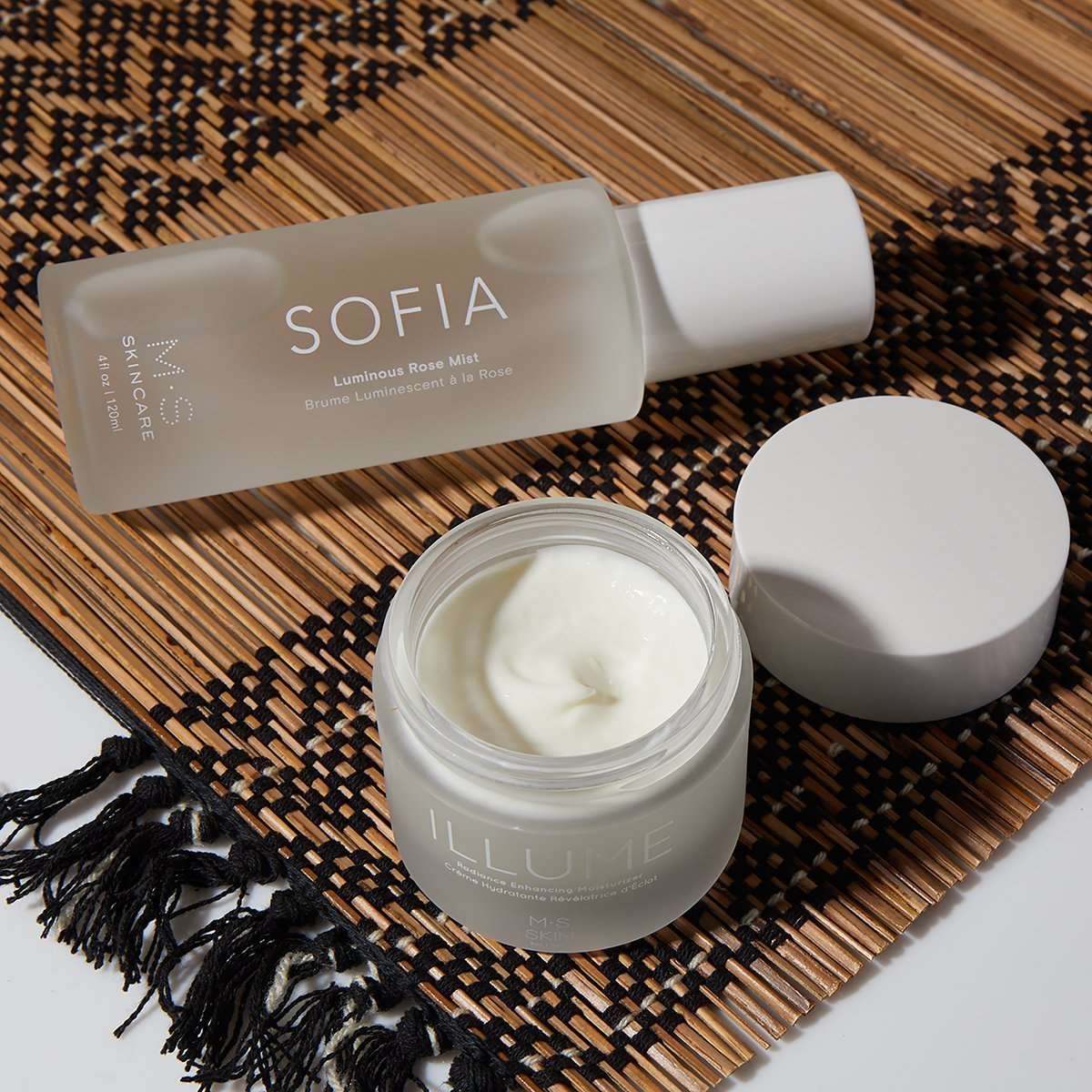
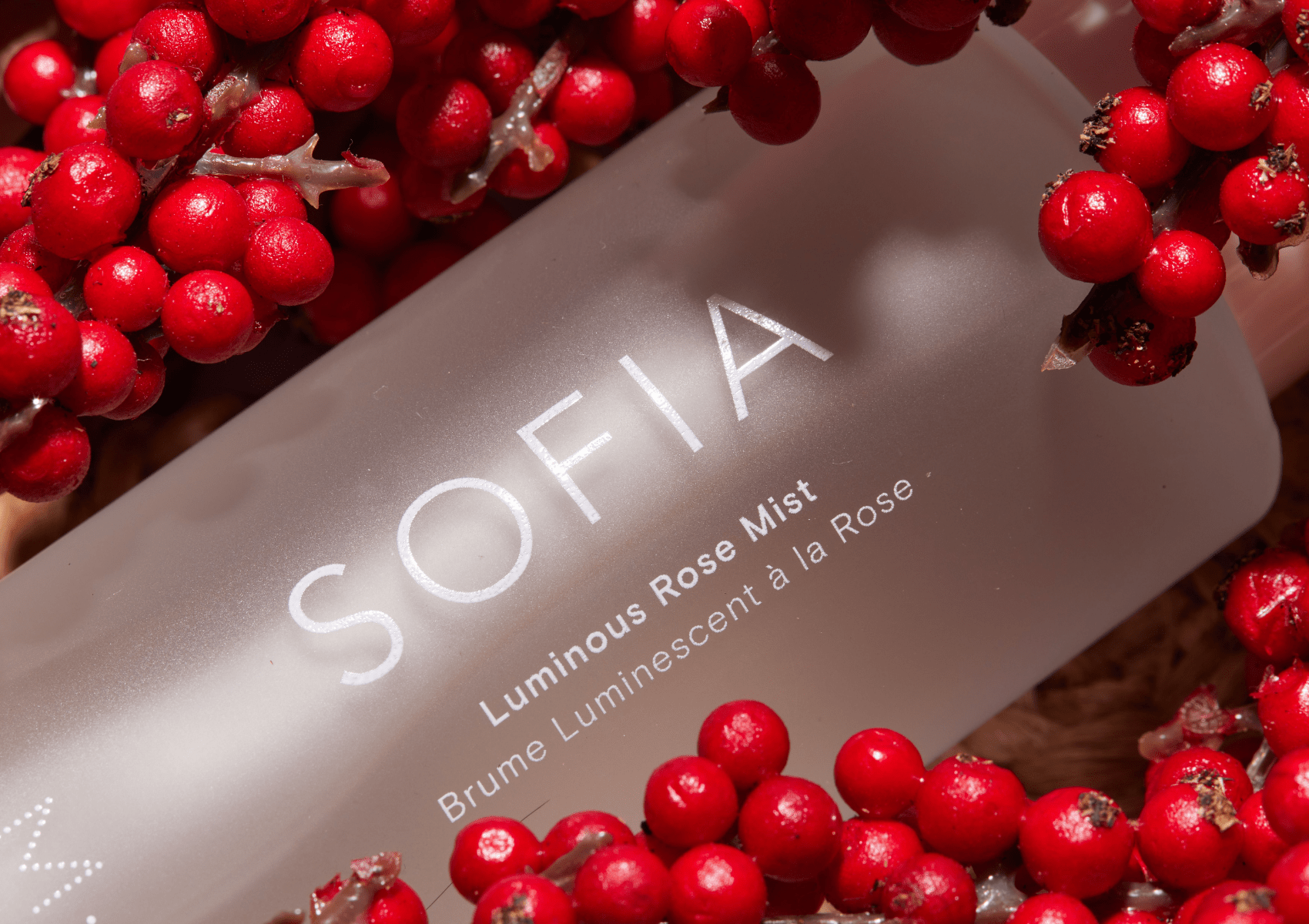
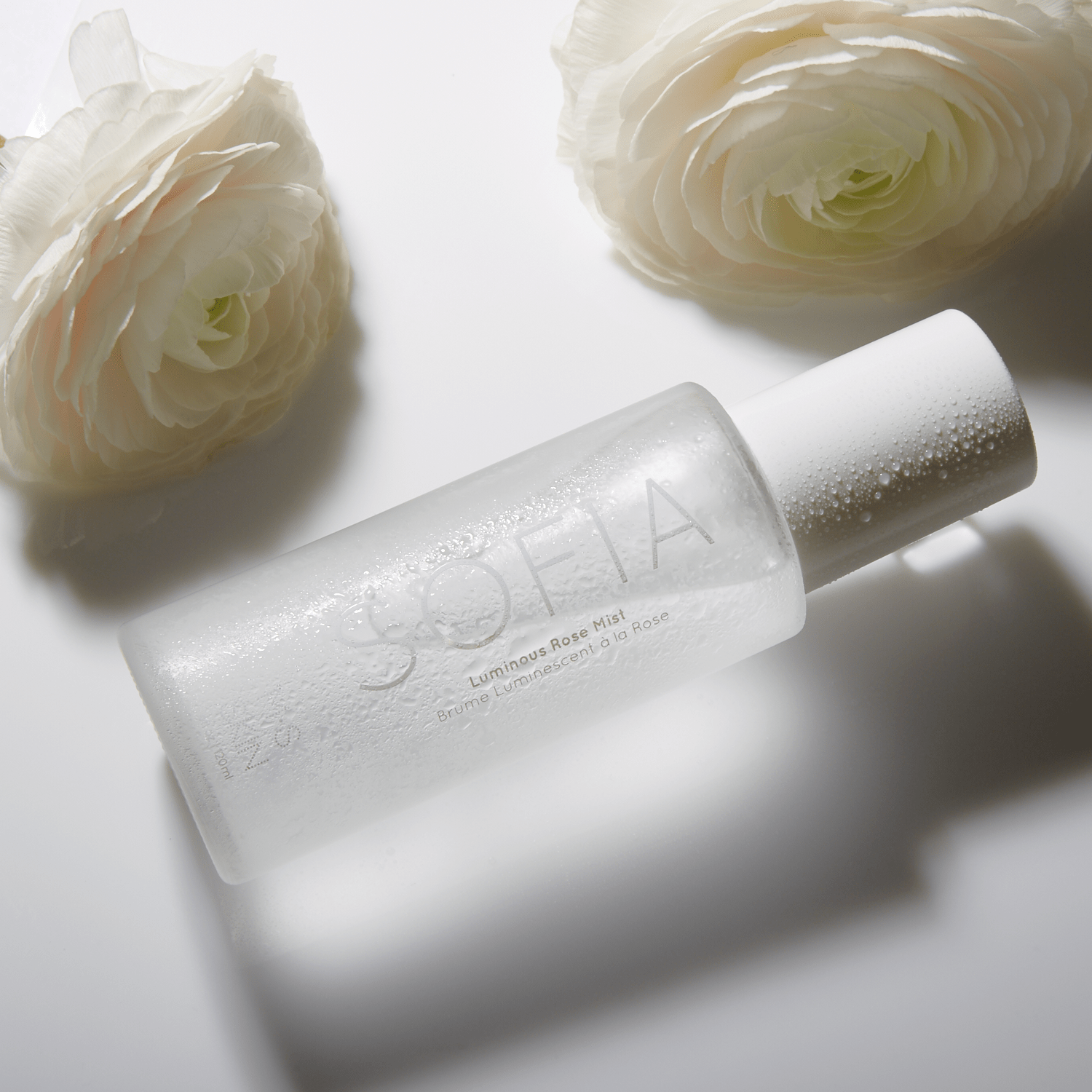
SOFIA Luminous Rose Mist is made with Bulgarian rose hydrosol, which has a pH close to that of healthy skin and is naturally soothing and anti-inflammatory. It is one of the gentlest and most effective hydrating steps for reactive skin.

Step 3: Seal and Restore
The moisturizer is where barrier restoration happens. For sensitive skin, you want a formula rich in nourishing plant oils and botanical actives that support the skin's own repair processes, without synthetic preservatives, artificial fragrance, or unnecessary actives that could trigger a reaction.
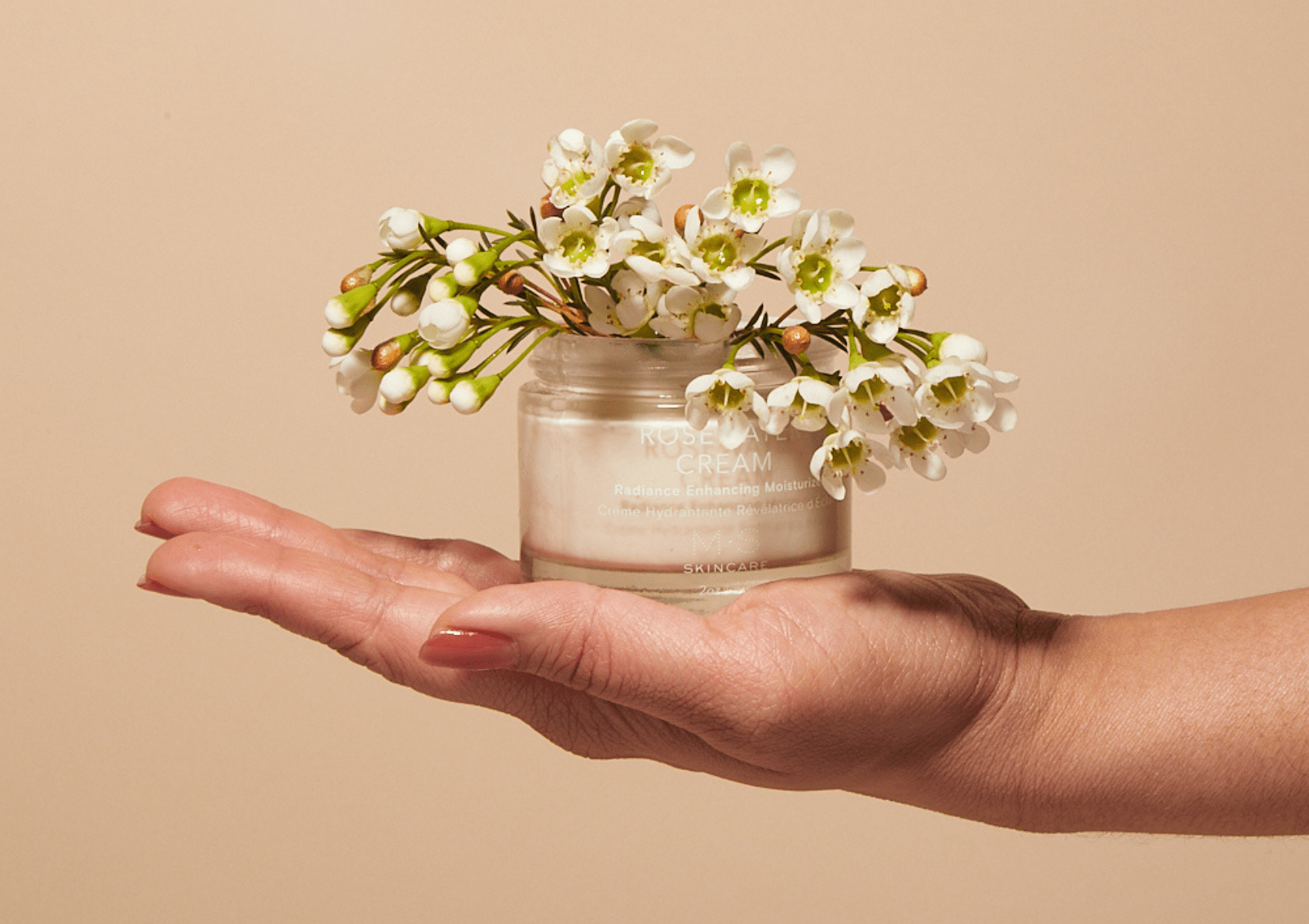
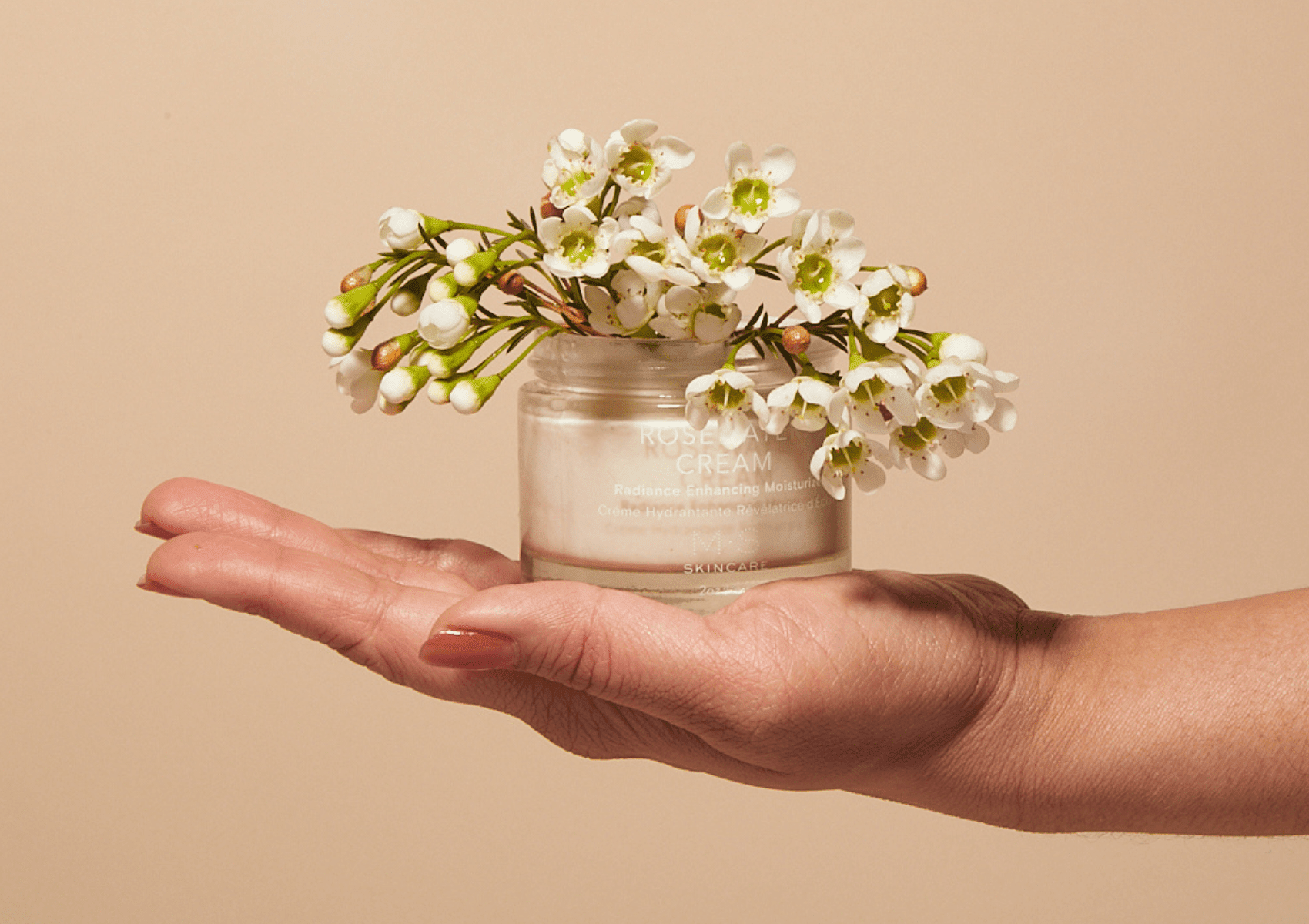
Rosewater Cream combines organic coconut and jojoba oils with Gotu kola, Neem, and Turmeric, all known in Ayurvedic tradition for their ability to calm inflammation, support skin regeneration, and restore a healthy, resilient complexion. It absorbs beautifully and provides lasting hydration without heaviness.

What to Avoid with Sensitive Skin
When the barrier is compromised, less is more. Avoid introducing new products more than one at a time. Pause exfoliants, retinoids, and high-concentration actives until the skin has stabilized. Avoid synthetic fragrance, alcohol-based toners, and any product that causes stinging or flushing. Give your skin two to four weeks of a simplified routine before assessing what it needs next.
When to Reintroduce Actives
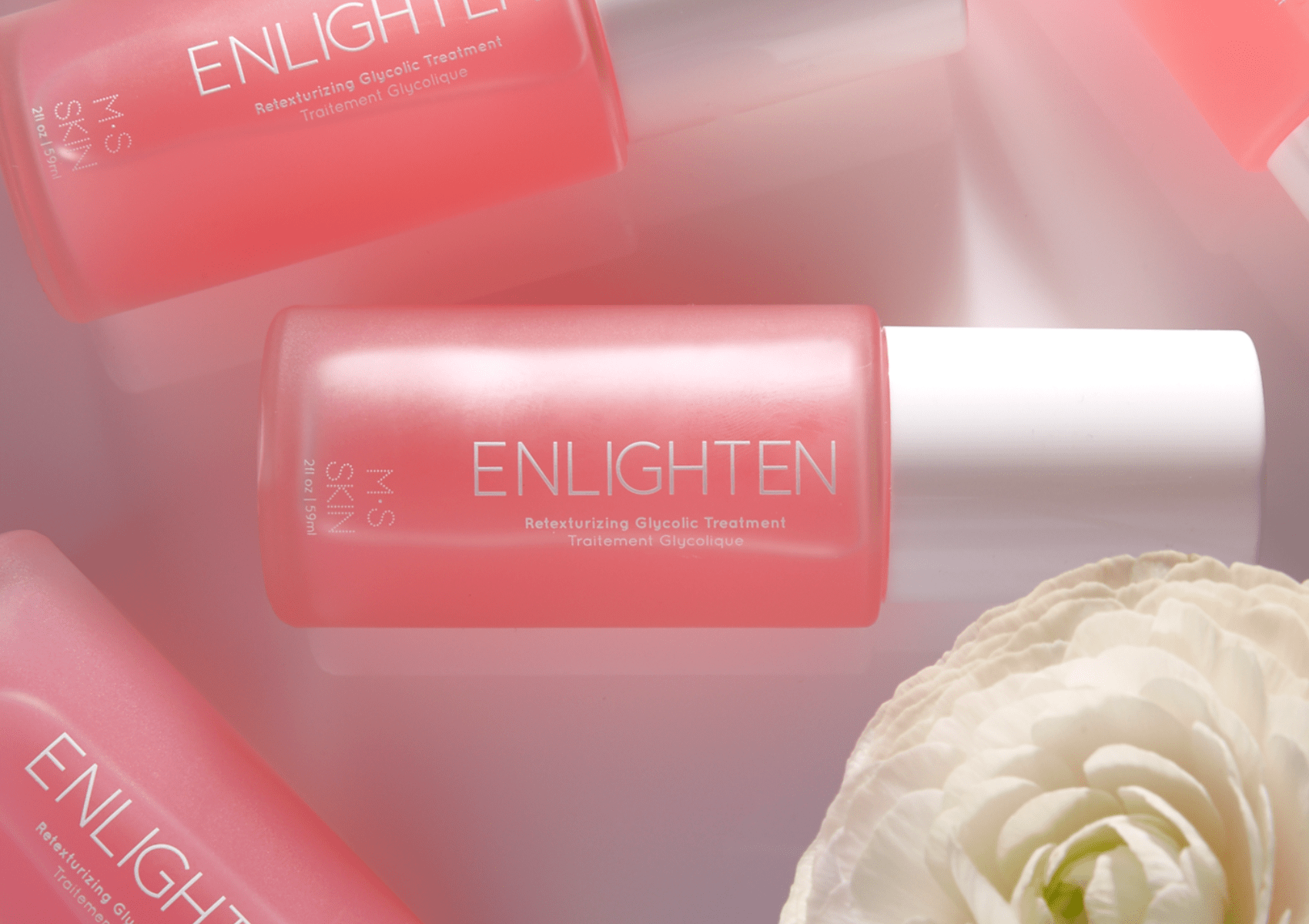
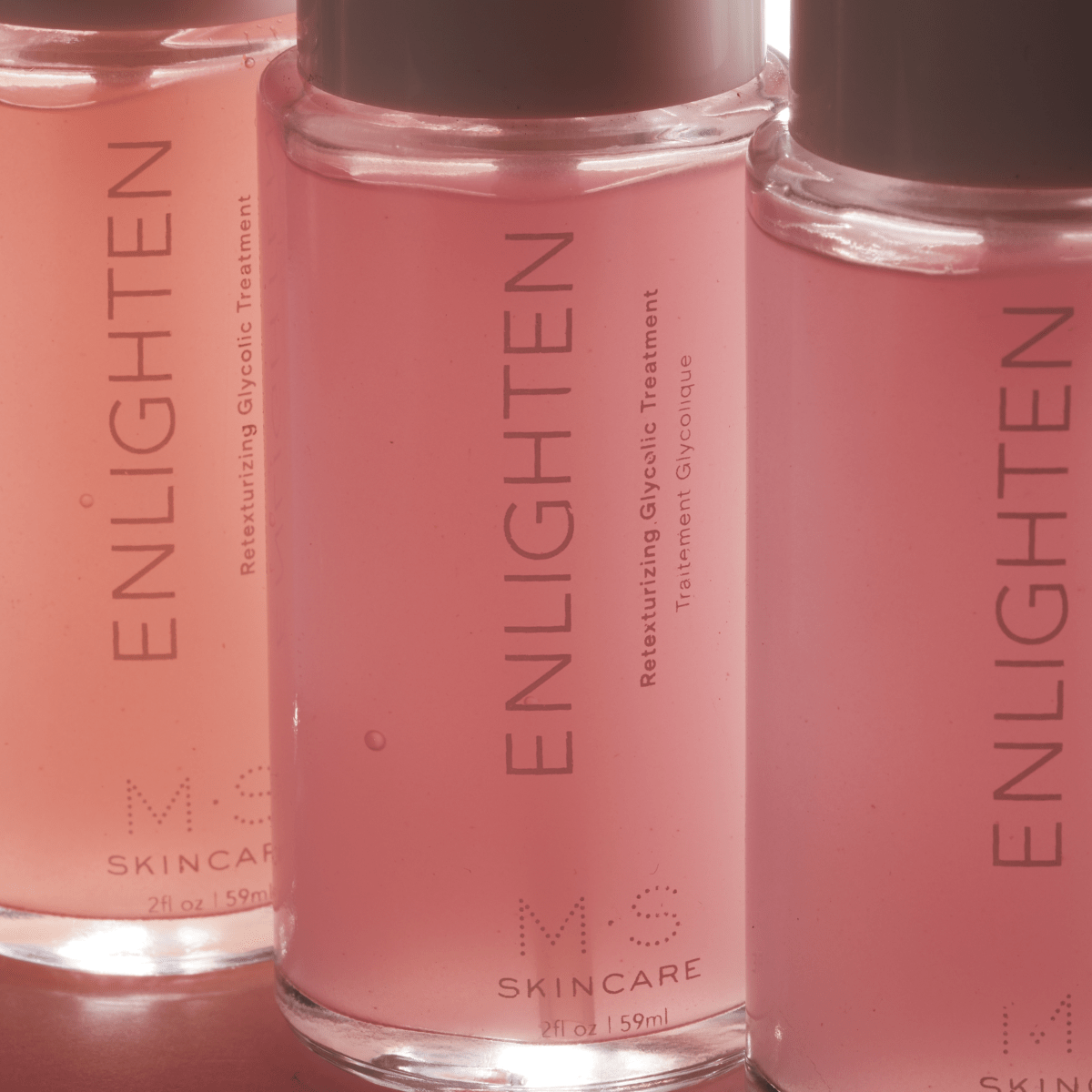
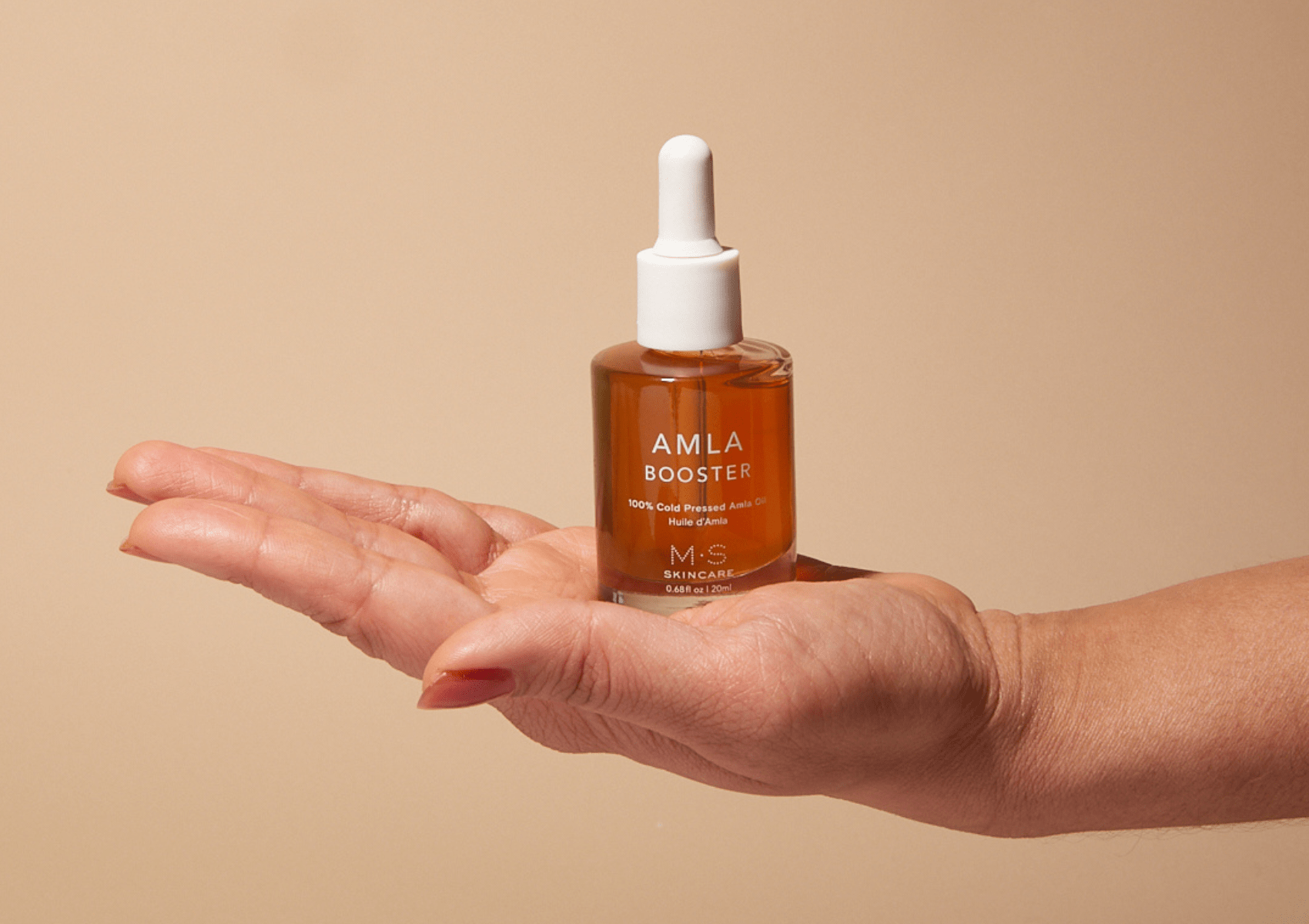
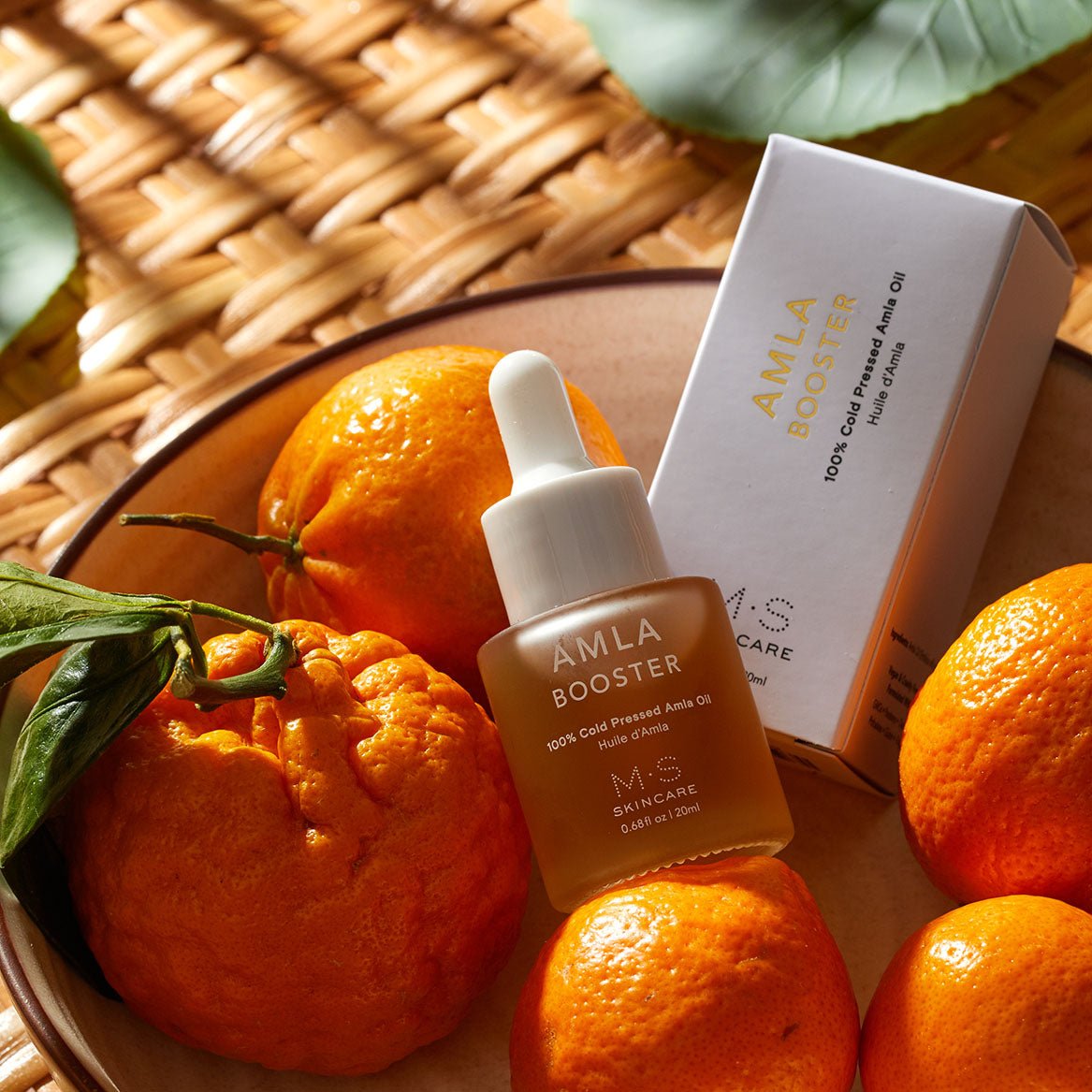
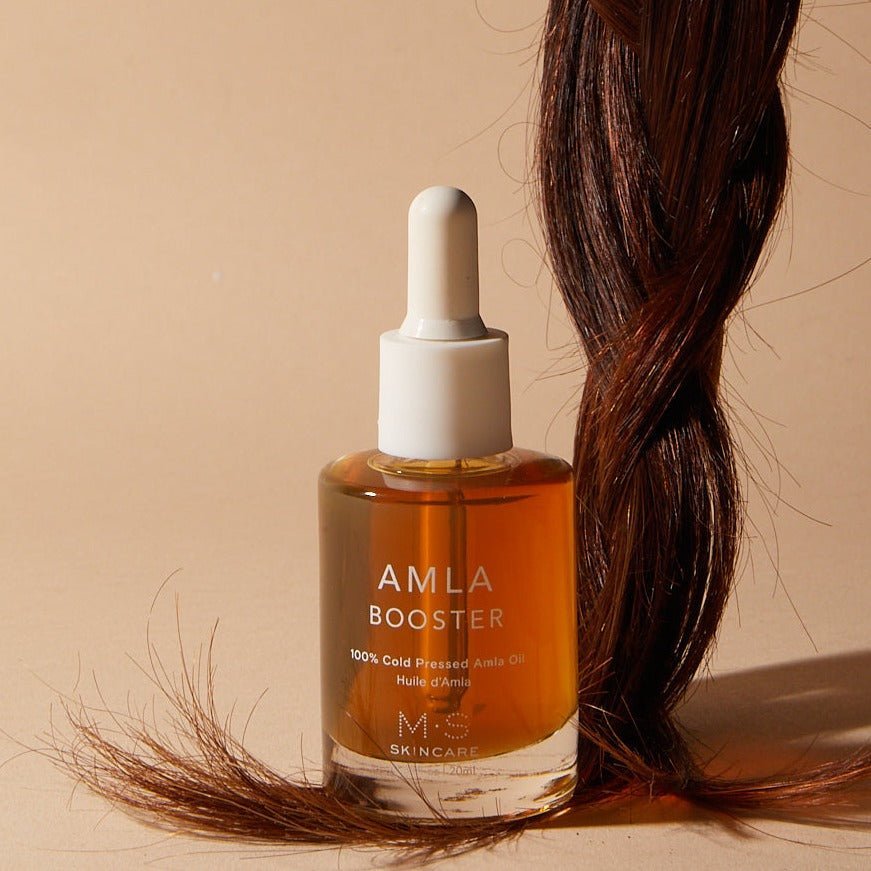
Once your skin feels calm, hydrated, and no longer reactive, you can begin reintroducing actives slowly. Start with AMLA OIL in the morning for gentle brightening and antioxidant support. After another two to four weeks of stability, you can introduce ENLIGHTEN one night per week and build from there.

Frequently Asked Questions
What is the best cleanser for sensitive skin?
An oil cleanser is generally the best choice for sensitive skin because it cleanses without stripping the skin's natural lipid barrier. SILK Cleansing Oil is formulated with anti-inflammatory Frankincense and Black Cumin Oil, making it ideal for reactive skin.
Can I use glycolic acid if I have sensitive skin?
Yes, but with care. Start with once per week and only after your barrier has been restored. ENLIGHTEN is formulated with soothing rose and aloe alongside glycolic acid to minimize irritation, making it one of the gentler options for sensitive skin.
What Ayurvedic ingredients are good for sensitive skin?
Rose hydrosol, Frankincense, Gotu kola, and Neem are all well-suited to sensitive skin. They are anti-inflammatory, barrier-supportive, and gentle enough for daily use even on reactive skin.
How long does it take to restore a damaged skin barrier?
With a simplified, nourishing routine, most people see significant improvement in two to four weeks. Full barrier restoration can take six to eight weeks depending on the degree of damage and consistency of care.