

Aum oil January 10, 2026
Coconut Oil for Body: Why Cold-Pressed Makes All the Difference

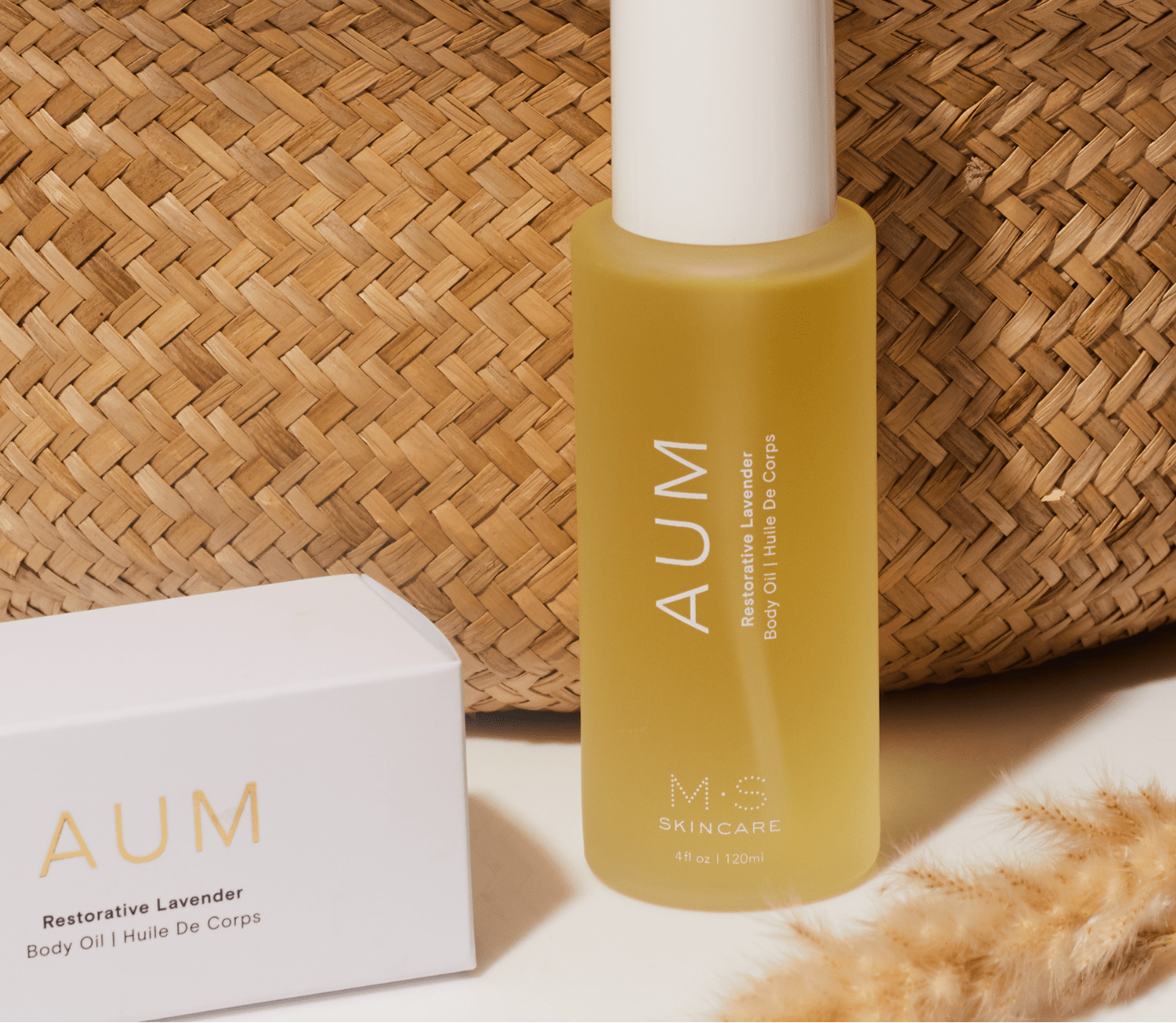
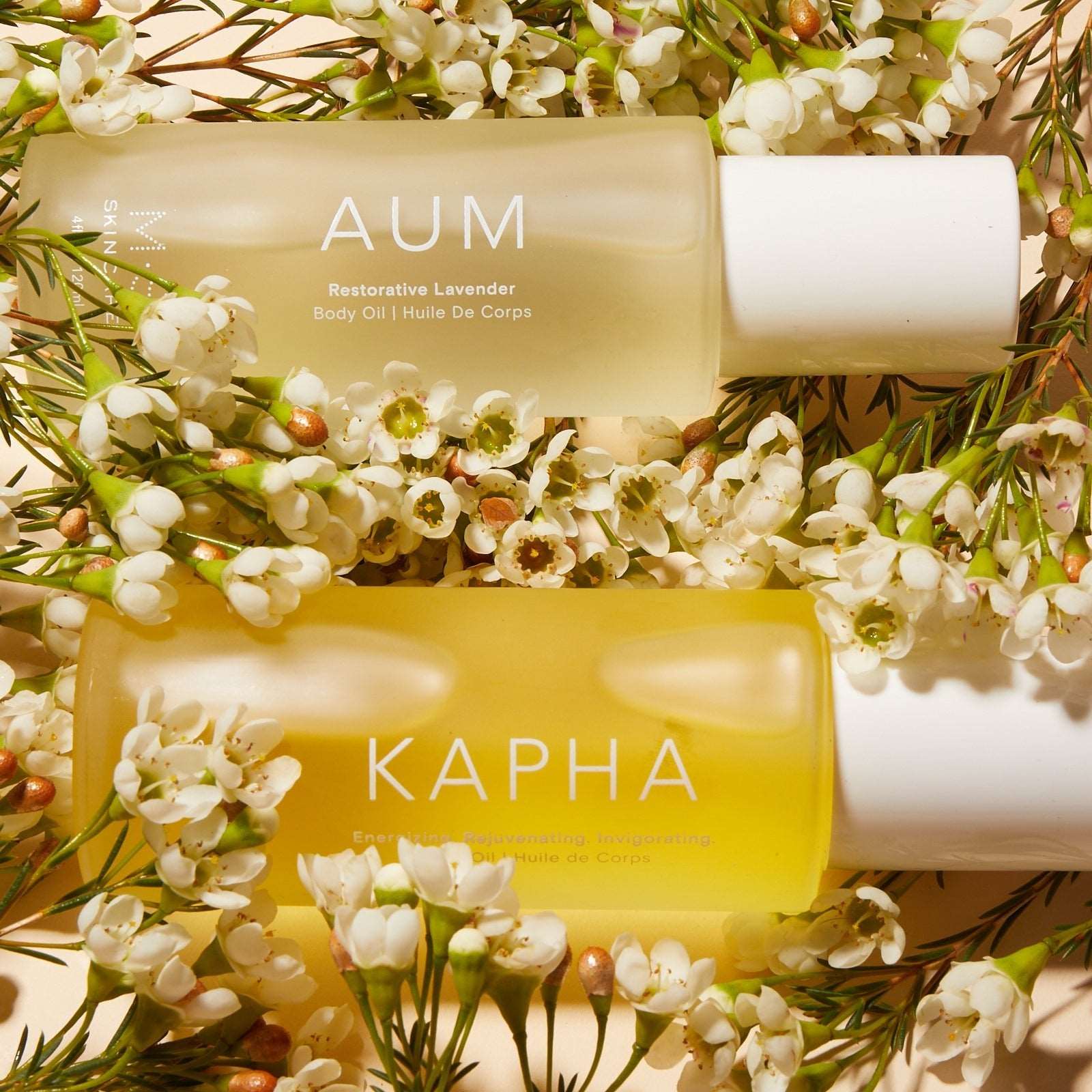
Coconut oil is everywhere in body care. But not all coconut oil is created equal. The difference between cold-pressed (virgin) coconut oil and refined coconut oil is the difference between a product that truly nourishes your skin and one that simply sits on the surface. Our AUM Restorative Body Oil uses only cold-pressed, fractionated coconut oil. Here's why that matters.

What Is Coconut Oil?
Coconut oil is extracted from the meat (white flesh) of mature coconuts. It's composed primarily of medium-chain fatty acids (MCFAs), which give it unique properties compared to other plant oils.
The Fatty Acid Profile
Coconut oil contains:
- Lauric acid (45 to 53%): Antimicrobial, anti-inflammatory, deeply moisturizing
- Capric acid (6 to 10%): Antimicrobial, supports skin barrier
- Caprylic acid (5 to 10%): Antifungal, lightweight, fast-absorbing
- Myristic acid (16 to 21%): Helps other ingredients penetrate skin
- Palmitic acid (7 to 10%): Emollient, softening
This unique fatty acid composition makes coconut oil:
- Lightweight despite being an oil
- Fast-absorbing (doesn't sit on skin)
- Antimicrobial (protects against bacteria and fungi)
- Deeply moisturizing without clogging pores
Cold-Pressed vs. Refined: The Critical Difference
Cold-Pressed (Virgin) Coconut Oil
Extraction method: Mechanical pressing of fresh coconut meat at temperatures below 120°F (49°C). No chemicals, no heat, no refining.
What's preserved:
- All fatty acids in their natural, bioavailable form
- Vitamin E (tocopherols and tocotrienols)
- Polyphenols and antioxidants
- Natural antimicrobial compounds
- Subtle coconut aroma (from natural compounds)
Benefits for skin:
- Maximum nourishment and bioactivity
- Superior antioxidant protection
- Enhanced antimicrobial properties
- Better absorption and efficacy
Refined Coconut Oil
Extraction method: Dried coconut meat (copra) is processed using high heat (up to 400°F) and often chemical solvents. The oil is then bleached and deodorized.
What's lost:
- Most antioxidants (destroyed by heat)
- Vitamin E content significantly reduced
- Polyphenols degraded or removed
- Natural antimicrobial compounds diminished
- Beneficial aroma compounds stripped away
What remains:
- Basic fatty acid structure (but less bioavailable)
- Moisturizing properties (but reduced efficacy)
- Neutral scent (because beneficial compounds were removed)
Why it's used: It's cheaper to produce, has a longer shelf life, and has no scent (which some manufacturers prefer for adding synthetic fragrances).
The Science: Why Cold-Pressed Is Superior
1. Antioxidant Content
A 2014 study published in the Journal of Food Science and Technology compared cold-pressed and refined coconut oil:
- Cold-pressed: 5 to 10 times higher antioxidant activity
- Refined: Most antioxidants destroyed during processing
Antioxidants are critical for:
- Protecting skin from free radical damage
- Preventing premature aging
- Supporting skin's natural repair processes
- Reducing inflammation
2. Vitamin E Preservation
Vitamin E is a fat-soluble antioxidant essential for skin health. Research shows:
- Cold-pressed coconut oil: Retains 80 to 90% of natural vitamin E
- Refined coconut oil: Loses 60 to 80% during high-heat processing
Vitamin E:
- Protects skin lipids from oxidation
- Supports barrier function
- Reduces UV damage
- Promotes healing and repair
3. Polyphenol Content
Polyphenols are plant compounds with powerful anti-inflammatory and antioxidant properties.
- Cold-pressed: High polyphenol content preserved
- Refined: Polyphenols degraded by heat and removed during bleaching
Polyphenols in coconut oil:
- Reduce skin inflammation
- Protect against environmental stressors
- Support healthy skin aging
- Enhance the oil's therapeutic properties
4. Bioavailability of Fatty Acids
While both cold-pressed and refined coconut oil contain the same fatty acids on paper, the structure and bioavailability differ.
Heat processing can:
- Alter the molecular structure of fatty acids
- Reduce their ability to penetrate skin effectively
- Diminish their moisturizing efficacy
Cold-pressed coconut oil's fatty acids remain in their natural, most bioavailable form, allowing for:
- Deeper penetration into skin layers
- More effective moisture retention
- Better support of the skin barrier
Fractionated Coconut Oil: The AUM Advantage
AUM uses fractionated, cold-pressed coconut oil. Here's what that means:
What Is Fractionation?
Fractionation is a process that removes the long-chain fatty acids (like lauric acid), leaving only the medium-chain fatty acids (capric and caprylic acid).
Why Fractionate?
Regular coconut oil solidifies below 76°F (24°C), which can be inconvenient for body care. Fractionated coconut oil:
- Remains liquid at all temperatures
- Absorbs even faster than regular coconut oil
- Feels lighter and less greasy
- Has an indefinite shelf life (won't go rancid)
- Is completely non-comedogenic (won't clog pores)
What's Retained
When done properly (as in AUM), fractionation preserves:
- The fast-absorbing capric and caprylic acids
- Antimicrobial properties
- Lightweight, silky texture
- All the benefits of cold-pressed processing (antioxidants, vitamin E, polyphenols)
Coconut Oil's Benefits for Body Skin
1. Deep Moisturization Without Greasiness
Coconut oil's medium-chain fatty acids:
- Penetrate skin quickly (within 2 to 3 minutes)
- Provide lasting hydration (12+ hours)
- Don't leave a greasy residue
- Work for all skin types, including oily
2. Skin Barrier Repair
The fatty acids in coconut oil mimic those naturally found in skin's lipid barrier. This means:
- They integrate seamlessly into the barrier
- They repair damage from harsh weather, aging, or products
- They prevent trans-epidermal water loss (TEWL)
- They strengthen skin's natural defenses
3. Antimicrobial Protection
Lauric acid (in whole coconut oil) and capric/caprylic acids (in fractionated) have proven antimicrobial properties:
- Effective against acne-causing bacteria
- Protects against fungal infections
- Helps prevent body acne on back and chest
- Supports skin's microbiome balance
4. Anti-Inflammatory Effects
Studies show coconut oil reduces skin inflammation:
- Soothes irritated, red skin
- Helps with eczema and dermatitis
- Calms post-shave irritation
- Reduces sensitivity
5. Antioxidant Protection (Cold-Pressed Only)
The preserved antioxidants in cold-pressed coconut oil:
- Protect against UV damage
- Prevent premature aging
- Support skin's natural repair
- Reduce oxidative stress
Why AUM's Coconut Oil Base Is Superior
In AUM, cold-pressed, fractionated coconut oil serves as the perfect carrier for our active botanicals:
1. Optimal Delivery System
Coconut oil's molecular structure allows it to:
- Carry fat-soluble vitamins and compounds (like vitamin C from Amla and Kakadu Plum) deep into skin
- Enhance the absorption of Gotu Kola's triterpenoids
- Deliver lavender's therapeutic compounds effectively
2. Synergistic Benefits
Coconut oil doesn't just carry other ingredients. It amplifies them:
- Its antimicrobial properties work with lavender's to soothe and protect
- Its barrier-repair function supports the firming effects of Gotu Kola
- Its antioxidants complement the vitamin C from Amla and Kakadu Plum
3. Lightweight, Fast-Absorbing Texture
Because we use fractionated coconut oil:
- AUM absorbs in 2 to 3 minutes
- You can dress immediately
- No greasy residue on sheets or clothes
- Suitable for all skin types, even oily or acne-prone
4. Stability and Purity
Cold-pressed, fractionated coconut oil:
- Has an indefinite shelf life
- Won't go rancid or oxidize
- Requires no preservatives
- Maintains potency throughout the product's life
How to Identify Quality Coconut Oil in Products
When shopping for coconut oil-based body care, look for:
- "Cold-pressed" or "virgin" on the label: Indicates minimal processing
- "Fractionated" for body oils: Ensures lightweight, non-greasy texture
- Short ingredient lists: Quality oils don't need fillers
- No "refined," "RBD" (refined, bleached, deodorized), or "hydrogenated": These indicate heavy processing
The Bottom Line
Coconut oil is a powerful ingredient for body skin, but only when it's cold-pressed and minimally processed. The difference between cold-pressed and refined is the difference between:
- Active antioxidants vs. degraded compounds
- Bioavailable fatty acids vs. altered structures
- Therapeutic benefits vs. basic moisture
- A product that transforms skin vs. one that just sits on the surface
In AUM, we use only cold-pressed, fractionated coconut oil because we're committed to efficacy, not just marketing. Every ingredient must earn its place by delivering real, measurable results.
Experience the difference that cold-pressed coconut oil makes. Discover AUM here.
Shop the story



Keep reading
More from the journal

Rosewater Cream September 14, 2026
Why Rosewater Never Left My Routine
Read
sertodo September 1, 2026
How to Clean Copper: Caring for Your Copper Water Pitcher, Cups, and Cookware
Read
Wooden Spoon Herbs August 17, 2026