
sertodo September 1, 2026
How to Clean Copper: Caring for Your Copper Water Pitcher, Cups, and Cookware
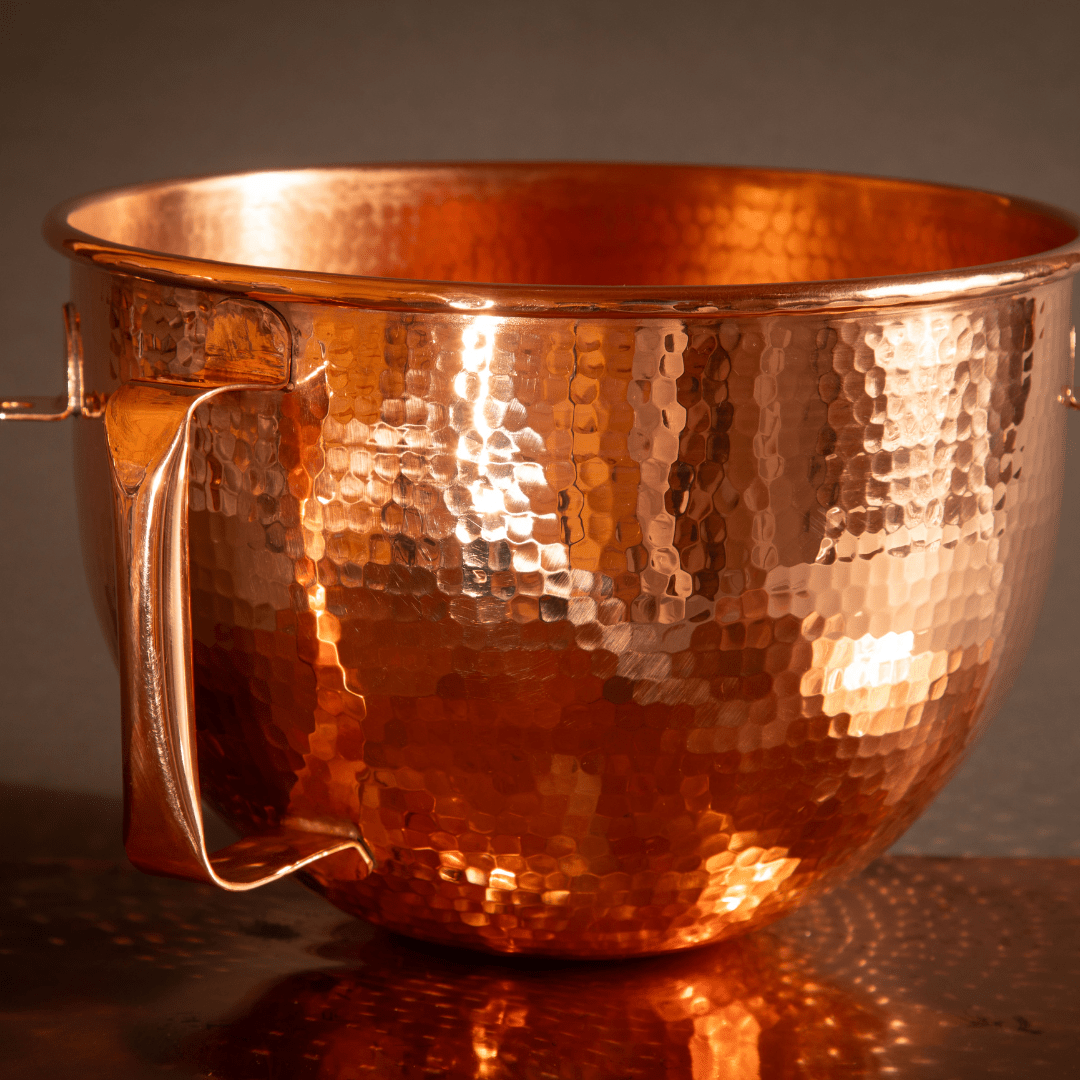
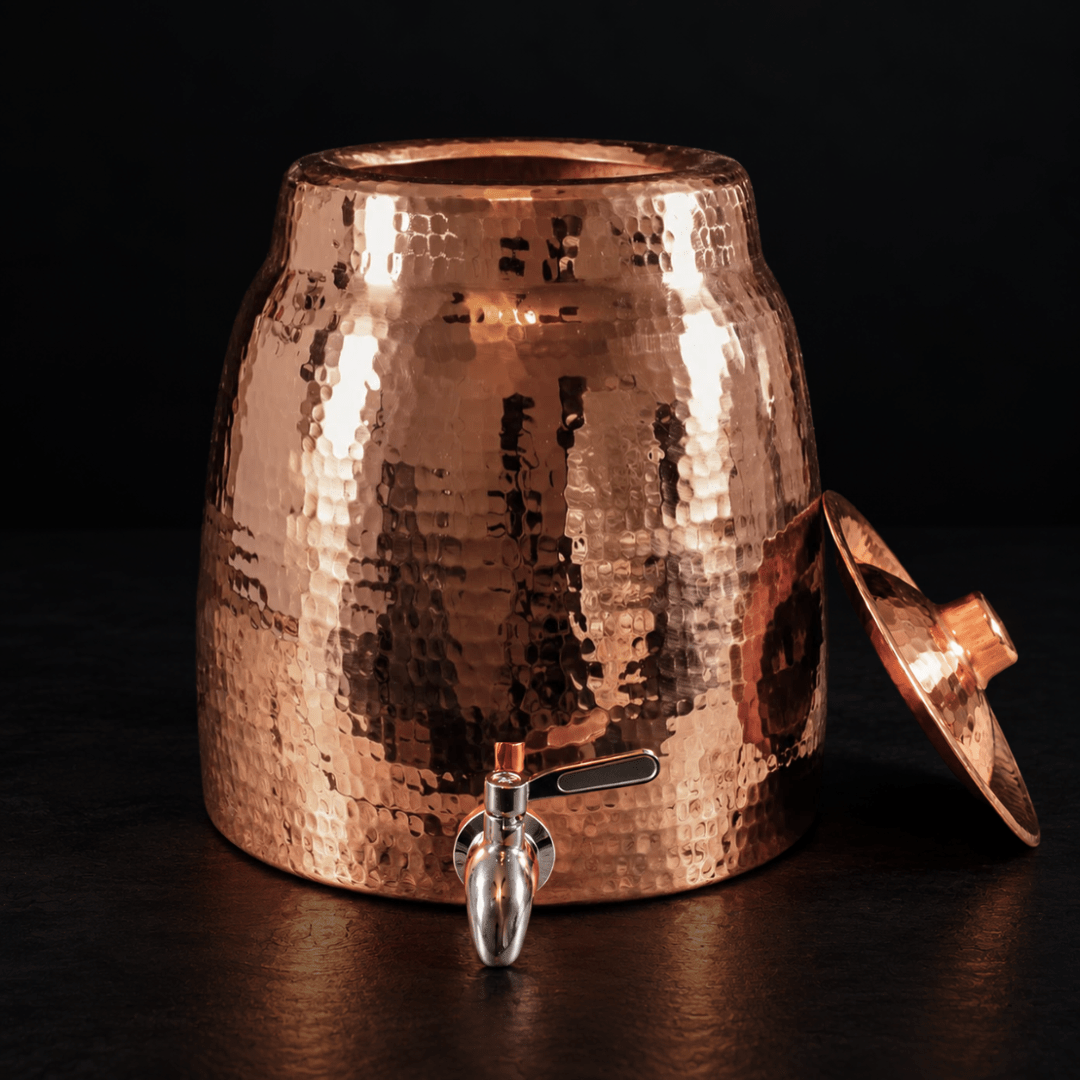
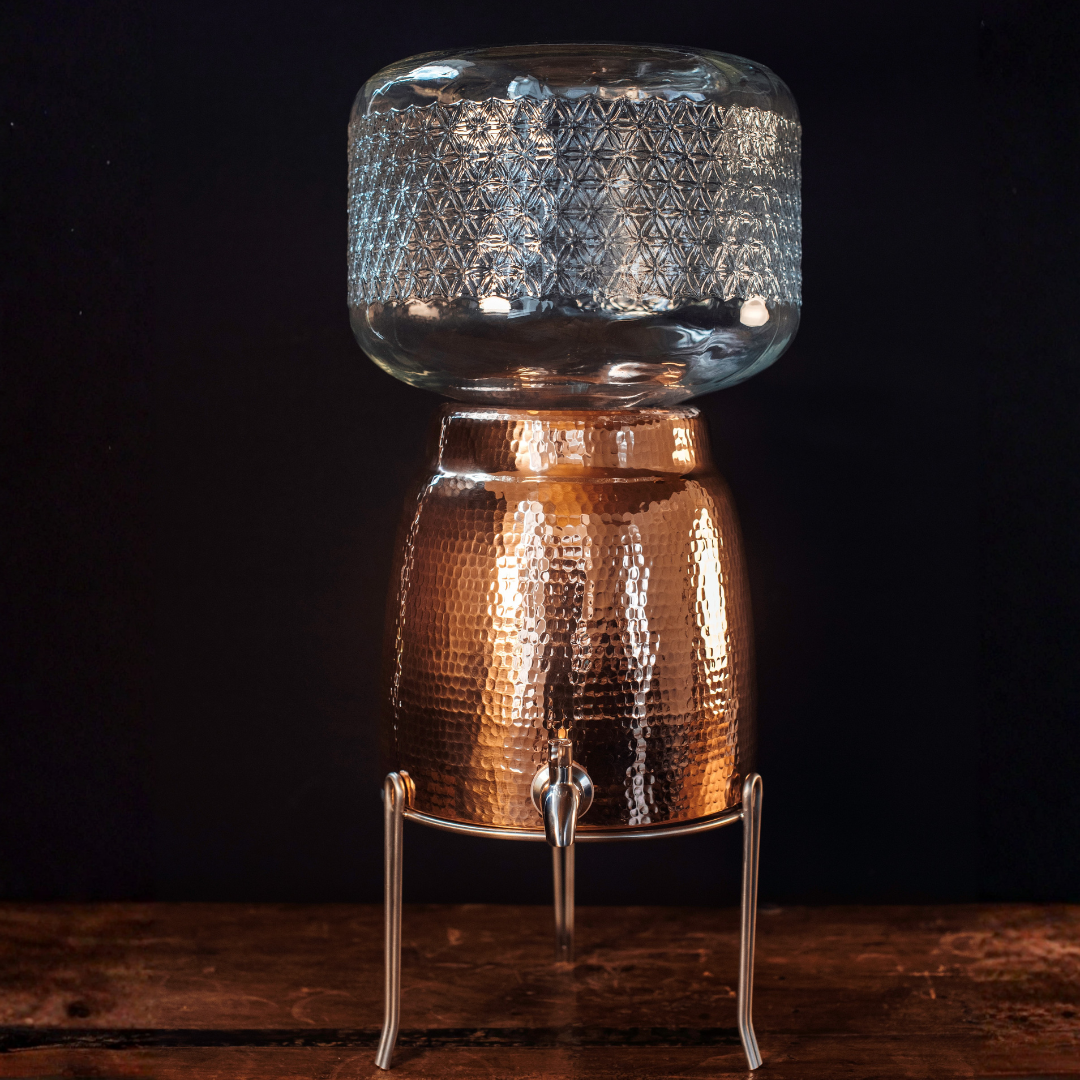
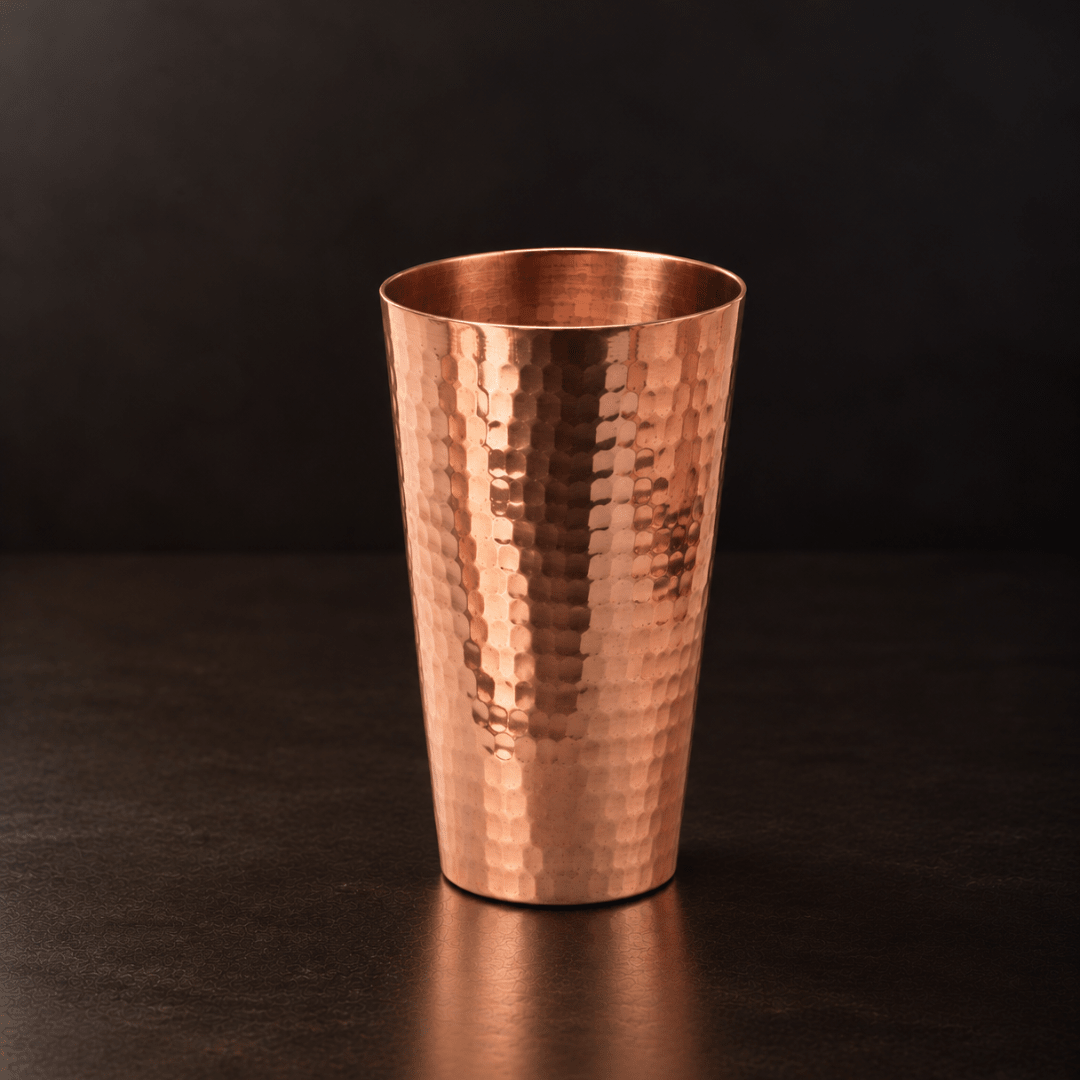
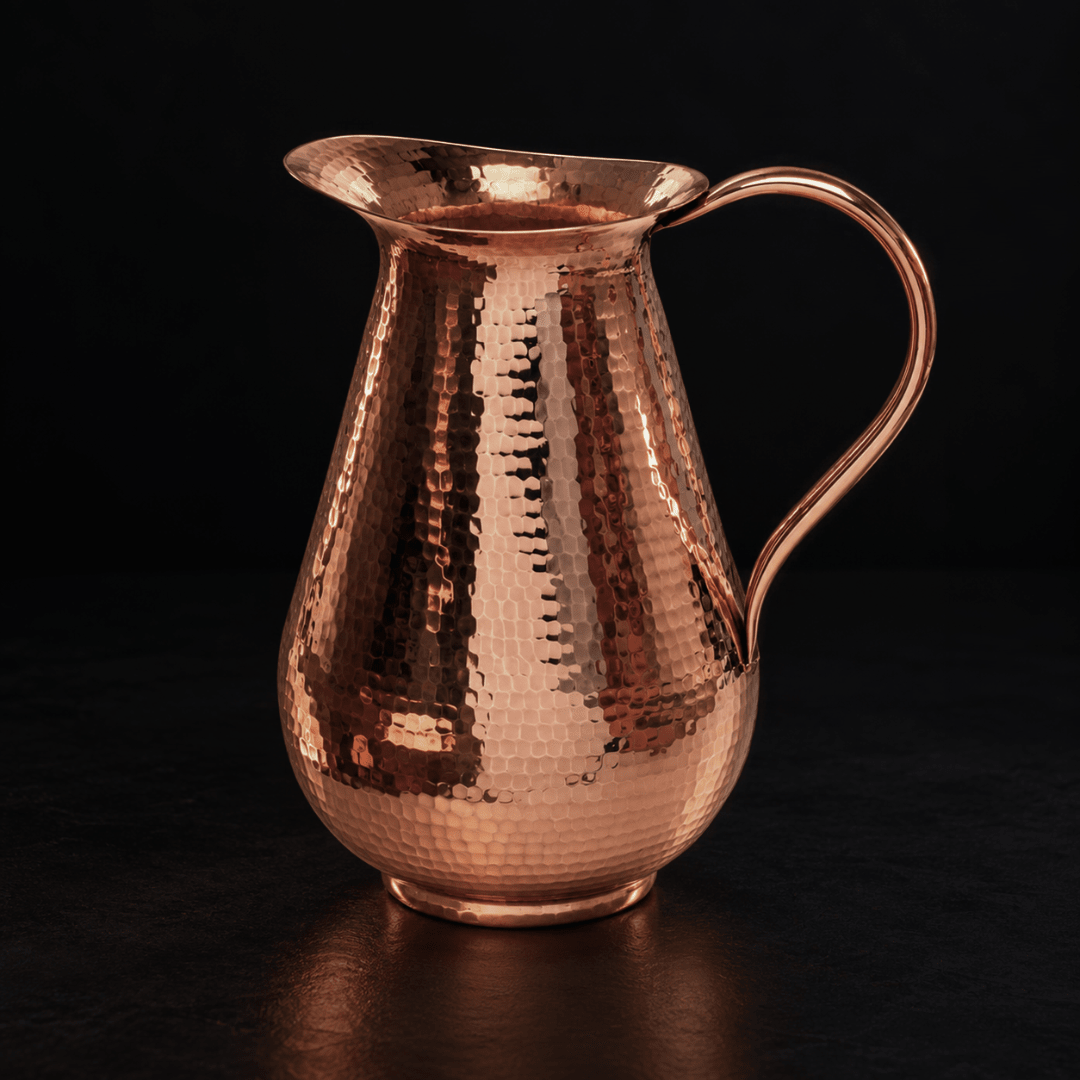
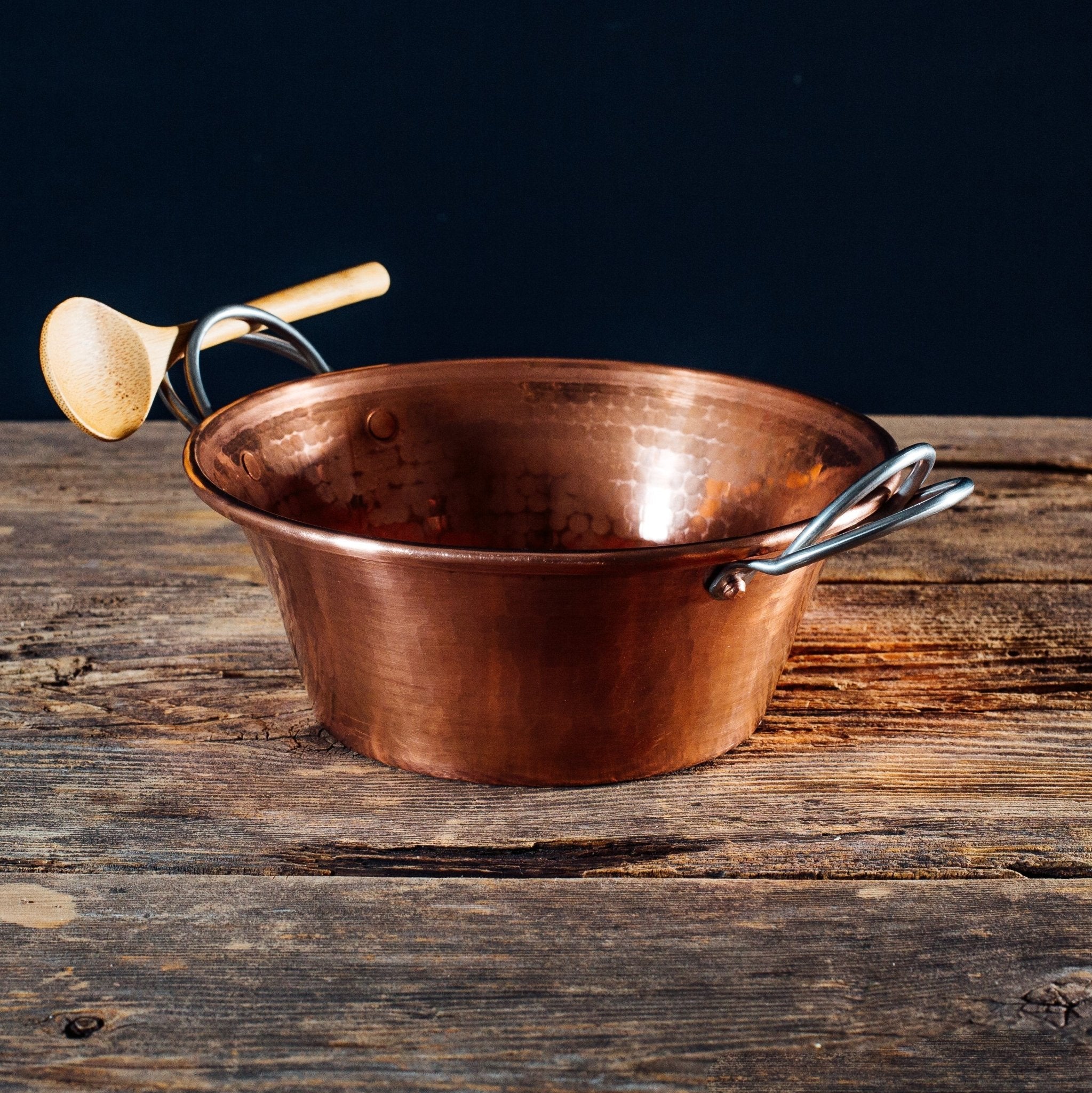
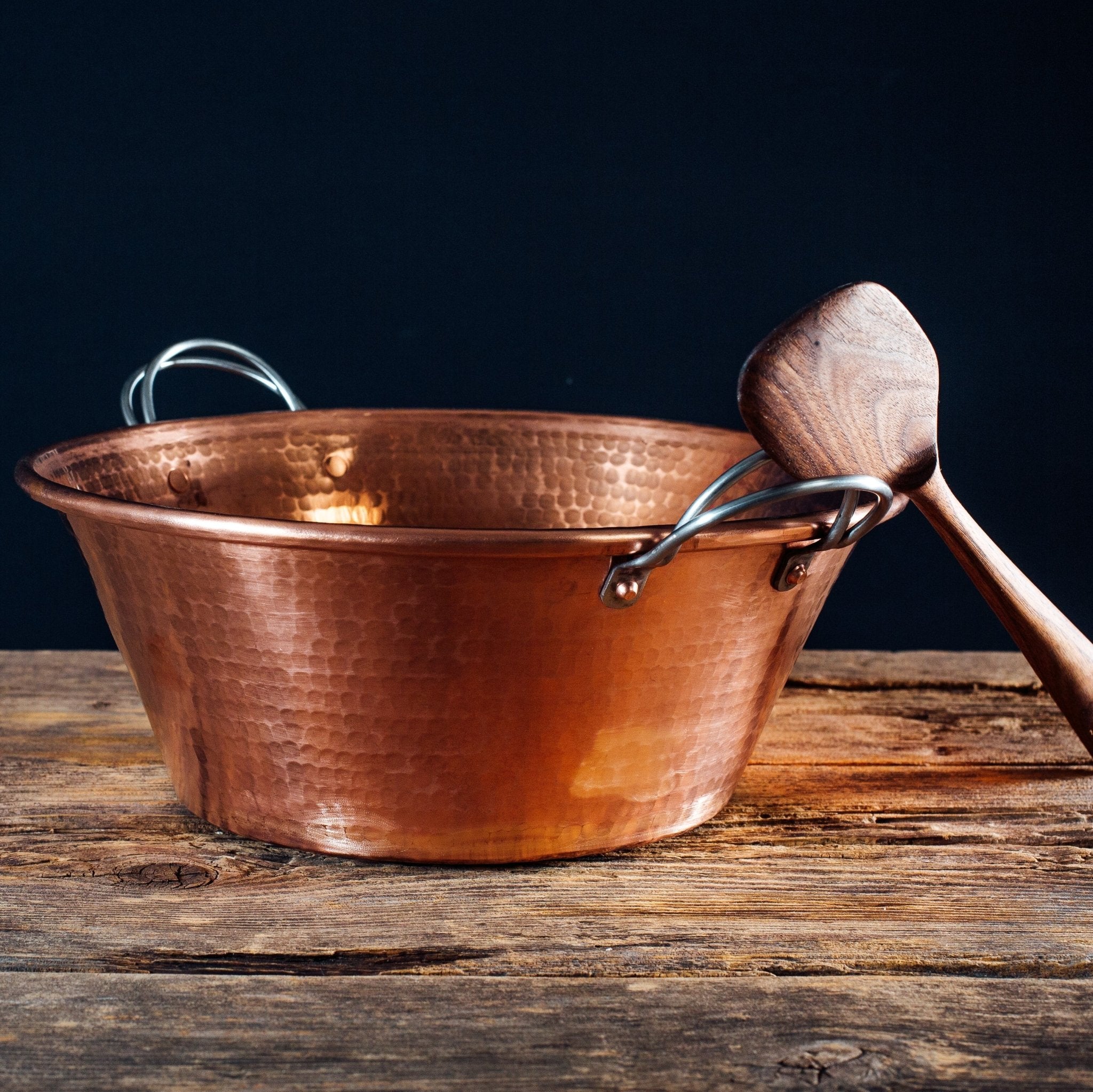
Copper is one of the few materials in your home that gets more beautiful with use. It asks for very little in return: no harsh chemicals, no special equipment, just a few gentle habits. Here is everything you need to know to care for hand-hammered copper pieces like the Sertodo Bisotun Copper Water Pitcher, copper cups, and tin-lined copper cookware.
Why does copper change color?
Copper develops a natural patina when it is exposed to air, water, and the oils in your hands. Those deepening amber and brown tones are surface oxidation, not damage. The patina is actually protective, and many people prize it as the signature of a well-loved piece. Whether you polish your copper back to a bright shine or let the patina deepen is purely a matter of taste. Both are correct.
How do you clean a copper water pitcher or copper cup?
Wash it by hand with warm running water, a drop of mild soap, and a soft sponge or cloth. Rub gently, rinse well, and dry immediately with a soft towel to prevent water spots. That is the entire routine for daily care.
Never scrub copper with steel wool, abrasive pads, or gritty cleansers. Hand-hammered copper carries a hammer-polished finish, and aggressive scrubbing will scratch it.
How do you make copper shine again?
The classic method uses two things already in your kitchen: lemon and salt. Sprinkle coarse salt on a cut lemon half and rub it gently over the copper. The mild acid lifts the oxidation while the salt provides just enough polish. Rinse thoroughly and dry completely. A gentle copper cream from the hardware store works too, applied with a soft cloth.
For the inside of a copper water vessel, swirl a spoonful of salt with the juice of half a lemon and a little warm water, let it sit for a few minutes, then rinse well.
Can copper go in the dishwasher?
No. Dishwasher detergents are harsh enough to strip and discolor copper, and the heat cycle accelerates tarnish. Copper is always a hand-wash material. The good news: hand washing copper takes under a minute.
How do you care for tin-lined copper cookware?
Copper cookware like the Alicante Copper Paella Pan, copper saucepans, and stock pots is traditionally lined with tin, a naturally nonstick surface that needs a little extra kindness. Use wooden or silicone utensils rather than metal, cook over low to medium heat, and hand wash with warm soapy water once the pan has cooled. Tin is softer than copper, so avoid scouring the interior.
A well-used tin lining will gradually wear over years of cooking. It can be professionally renewed rather than replaced, which is part of why quality copper cookware is passed down through generations. Sertodo offers retinning service for their cookware.
How often should you clean copper?
For copper drinkware in daily use, a quick rinse and dry each day is enough. If you store water in a copper vessel in the Ayurvedic tradition, rinse it daily and refresh the interior with the lemon and salt method every few weeks. Polish the exterior whenever you want to bring back the shine, or simply let the patina evolve.
Does patina affect copper's benefits?
Copper's naturally antimicrobial character comes from the metal itself, not from a coating, so a patinated exterior is nothing to worry about. For drinking vessels, what matters is keeping the interior clean with regular rinsing and the occasional lemon and salt refresh.
Care for copper, and it outlives us all
A hand-hammered copper piece that is rinsed, dried, and occasionally polished will genuinely last for generations. That permanence is a large part of why we carry Sertodo's hand-hammered copper collection: water pitchers, cups, barware, and cookware made from pure recycled copper and built to be heirlooms, not replacements.
Shop the story



Keep reading
More from the journal
Rosewater Cream September 14, 2026
Why Rosewater Never Left My Routine
Read
Wooden Spoon Herbs August 17, 2026
Herbal Coffee, Fire Cider, and Magic Magnesium: Building a Daily Ritual with Wooden Spoon Herbs
Read
Wooden Spoon Herbs August 17, 2026